
- calendar_today September 15, 2026
The government of the United States has imposed a fresh round of us tariffs on Canadian goods, intensifying an already fraught trade environment for Canada National 1 and the broader region. This policy shift, enacted on Tuesday, sees a 50 per cent tariff levied on designated products that collectively make up approximately 0.6 per cent of all us imports originating from Canada.
Targeted Measures Affect Canadian Goods
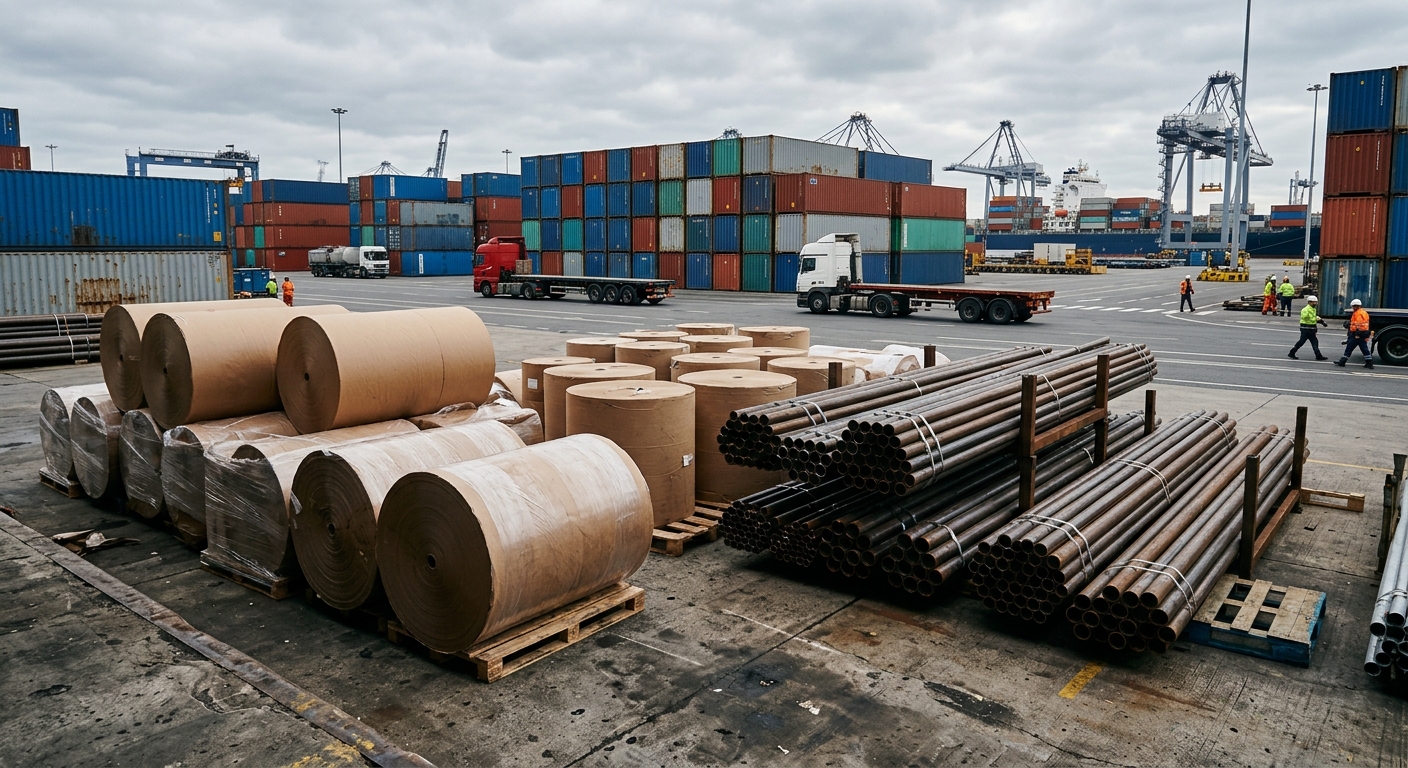
Among the canadian goods directly impacted by these tariffs are outboard motorboats, alongside a variety of metal and paper products. These items represent a significant sector of canadian exports, particularly for manufacturers and producers within provinces where cross-border commerce forms the backbone of local economies. In contrast, U.S. officials simultaneously rescinded existing 50 per cent tariffs on other imports such as cement, sugar, toilet paper, and fishing rods—products accounting for an additional 0.5 per cent of imports from Canada.
Retaliation and Trade War Dynamics
The changes come in response to the recent breakdown of formal trade negotiations between the two governments, highlighting the ongoing trade war that has shaped North American commerce over the past year. These latest tariffs imposed are emblematic of a cycle of retaliation, with each side carefully targeting goods to balance pressure and minimize internal disruption. The United States’ approach underscores its intent to protect domestic industries while sending a pointed message on trade policy autonomy.
Import Tariffs and Local Market Impact
The implementation of new import tariffs is expected to ripple through the market, particularly within Canada National 1, where many businesses rely on uninterrupted access to U.S. supply chains. Local manufacturers of outboard motorboats and paper products have warned of job losses and supply disruptions, further compounding pressures already faced from earlier rounds of duties. Analysts have flagged a potential market impact across both industries, affecting not only exporters but also downstream sectors dependent on cross-border components and raw materials.
Canadian Officials Raise Sovereignty Concerns
Canadian officials have responded with strong criticism. Prime Minister Mark Carney and other government representatives have characterized the latest U.S. demands during previous talks as actions that threaten to undermine Canadian sovereignty concerns. They maintain that maintaining sovereignty over trade policy is a non-negotiable priority for Canada National 1 and the rest of the country. Officials continue to emphasize the need for any future agreement to respect Canada’s ability to independently manage its economic interests, despite the mounting trade tensions.
Ongoing Diplomatic Engagements
While direct dialogue has stalled, lower-level diplomatic engagements continue between Canadian and U.S. officials in hopes of returning to stable relations. Regional stakeholders—including exporters, trade associations, and local chamber representatives—are closely monitoring developments, with many advocating for renewed trade negotiations that could lead to mutually beneficial terms. Economic specialists caution that prolonged uncertainty could exacerbate the market impact and encourage both sides to seek common ground sooner rather than later.
Path Forward for Cross-Border Trade
For Canada National 1 and the business community at large, the latest round of us tariffs heightens the urgency for a comprehensive solution that addresses both economic and sovereignty concerns. As trade tensions persist, the importance of collaborative policy-making and transparent negotiation remains evident to stakeholders throughout the region. Efforts to stabilize the trading relationship will likely continue to command attention on both sides of the border, with the hope that future agreements protect regional prosperity and the integrity of Canadian trade negotiations.