- calendar_today September 20, 2026
Sudbury, Ontario — As the mining capital of Canada National 1, Sudbury’s mining sector is a powerful engine for the national economy. Yet the city’s leaders argue that more equitable financial arrangements are urgently needed, given the immense infrastructure demands driven by sudbury mining operations and the limited portion of mining revenue that stays local.
Heavy Infrastructure Burden on Sudbury
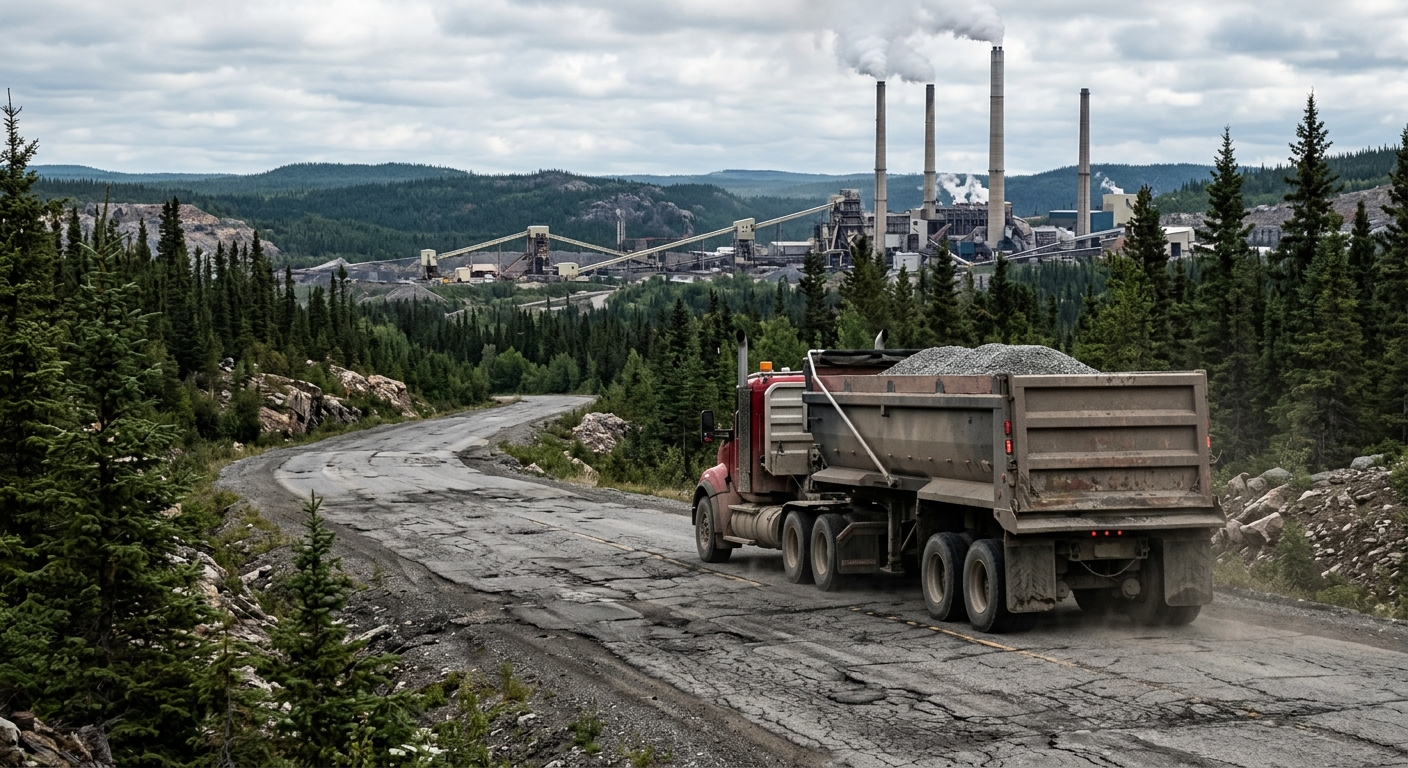
Sudbury, renowned as Ontario’s largest city by land area, houses nine operating mines and two active smelters. Despite the visible success and scale of its mining industry, municipal officials contend with significant operational costs, particularly in maintaining over 3,600 lane-kilometres of roads. These roadways, essential for ore transport from mines to smelters, bear the brunt of heavy commercial use. Mayor Paul Lefebvre has repeatedly highlighted the pressing need for dedicated infrastructure funding to keep pace with industrial activity and ensure public safety.
Disparity in Mining Tax Distribution
While Sudbury’s industrial landscape underpins economic vitality across Canada, the majority of mining tax revenues flow to provincial and federal governments. According to Mayor Lefebvre, this system overlooks the disproportionate burden placed on the city, which is left to manage costly infrastructure projects without receiving a commensurate share of the industry’s financial returns. By retaining more direct municipal revenue from mining, local authorities believe they could better address infrastructure and community needs.
Pursuit of Special Economic Zone Status
In a bid to secure a greater share of the prosperity generated by sudbury mining, city leaders are pushing for the area to be designated a special economic zone. This status, still under negotiation, could grant Sudbury unique fiscal advantages and help local authorities capture a larger portion of mining-related income. Advocates argue that such a change is crucial for the long-term economic development not only of Sudbury but of the wider Canada National 1 region.
Supporting Indigenous Participation in Mining
Sudbury’s mining future is increasingly tied to strengthening relationships with local First Nations communities. City officials and industry partners recognize the importance of direct indigenous participation in mining ventures, aiming for more equitable sharing of benefits and opportunities. Despite these efforts, reports indicate that direct economic gains for Indigenous communities remain limited, highlighting ongoing challenges in ensuring inclusive growth and partnership.
Balancing Multinational and Local Mining Interests
The presence of major mining companies in Sudbury underscores the city’s global significance in mineral production. Yet, local initiatives like Magna Mining are gaining traction as examples of how community-rooted enterprises can enhance local investment and decision-making. Policymakers believe that nurturing homegrown firms could further balance the dominance of multinational operators within the nickel production ecosystem.
Sudbury’s Strategic Role in Canada’s Mineral Future
As Canada’s need for critical minerals intensifies, Sudbury stands at the forefront of national energy and manufacturing priorities. The strategic importance of nickel and other resources elevates Sudbury from a resource host to a vital industrial partner. Ensuring the community’s capacity to manage social and infrastructural challenges will be essential as new opportunities and pressures accompany the next generation of mining investment. City officials remain optimistic that ongoing negotiations and greater fiscal autonomy will secure Sudbury’s place as a driving force in the economic landscape of Canada National 1.