- calendar_today August 17, 2025
Anti-wind or anti-renewable energy conspiracies are far from new or unique to Trump. In fact, they can be found globally and have surfaced over the course of the past few decades as wind power has become a bigger part of the energy mix. Although they are not always as colorful as Trump’s complaints that wind turbines hurt whales and people, they share a common concern: unease at how fast the energy sector is changing, and how these changes will impact society.
Opposition to renewable energy is only one example of a broader climate denial playbook. Anti-science and anti-progress beliefs are incredibly sticky and difficult to undo, even after they have been fact-checked or outright debunked. As governments, businesses, and institutions try to hasten the energy transition, it is worth considering why resistance to this idea is so widespread and what has driven it.
Wind Turbine Conspiracy Theories Have Been Around for Decades
Climate science has been warning since at least the 1950s that fossil fuel emissions could lead to serious and relatively imminent environmental change. However, the early narrative around renewables was that they were a political solution: by expanding wind and solar, countries could reduce the power of big fossil fuel companies.
In popular culture, The Simpsons offered one particularly stark example of this conspiracy theory. At one point, the cartoon baron Mr. Burns erects a skyscraper that blocks out the sun and causes Springfield’s residents to buy his nuclear power. This was intended as an over-the-top joke, but it also reflected very real concerns about the power of entrenched fossil fuel interests and their willingness to delay renewable energy.
This too proved true. In 2004, then–Australian Prime Minister John Howard established a group of fossil fuel executives called the Low Emissions Technology Advisory Group. Their goal was to lobby governments to find “appropriate policy mechanisms that do not encourage an unreasonable acceleration of the growth of renewable energy use,” to protect the primacy of coal, oil, and gas.
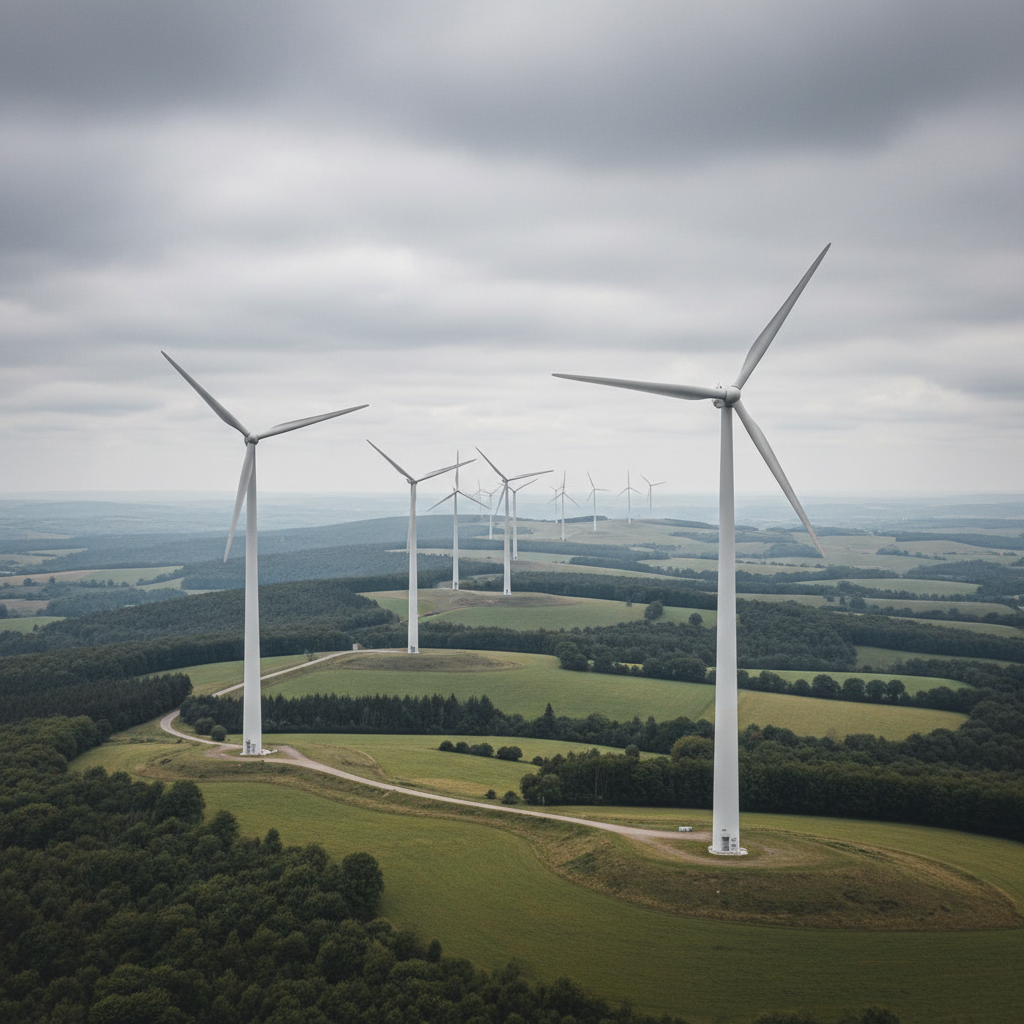
Wind farms have faced additional pushback as well. Coal mines, oil fields, and nuclear plants can be far from view, while wind turbines are often placed in prominent locations on ridgelines or on open plains. For those opposed to the concept, their visibility has made them a prime target. “Wind turbine syndrome,” or the (debunked) theory that turbines cause adverse health impacts, has circulated for years in the medical community, but was eventually labelled a “non-disease.”
Academic studies have confirmed that demographic characteristics like age, gender, education level, and political affiliation have only a limited impact on public opposition to wind farms. In a German study led by Kevin Winter, conspiracy thinking was a much stronger predictor of opposition to wind power than any other factor. Winter and his colleagues have since done similar studies in the U.S., U.K., and Australia and found similar results.
Studies in Germany and the U.S. have also found that people who believe wind turbines are harmful, part of a government takeover, or a national security threat are much more likely to think there is a conspiracy to hide climate change. So it is not just that climate change conspiracy theorists also buy into anti-wind conspiracy theories, but also that wind turbines themselves have become a popular symbol of those concerns.
In other words, opposition to renewables and wind power in particular is not an accident. It is not because facts are unclear or because it is an overly complicated issue. It is because these beliefs are closely connected to worldviews, and a worldview is not easily changed.