- calendar_today August 6, 2025
In the ever-evolving skyline of Canada’s major cities and the quieter corners of its provinces, commercial real estate (CRE) is undergoing a transformation that defies the easy predictions of recovery. While economic indicators show flickers of improvement, the reality on the ground is far more nuanced—marked by regional disparities, structural shifts in demand, and a redefinition of value in both urban and rural spaces.
By mid-2025, it’s become clear: Canada’s CRE recovery isn’t following a typical trajectory. Office towers that once bustled in Toronto, Montreal, and Vancouver remain partly vacant, a lingering symptom of a remote work culture that refuses to fade. Hybrid schedules, once considered a temporary pandemic response, are now built into corporate DNA.
Take Toronto’s Financial District—once the undisputed nerve center of Canada’s corporate life. Today, with office occupancy hovering around 55–60%, the pulse is slower, quieter. While some firms are attempting to lure workers back with redesigned “experience-first” spaces, others have downsized altogether, turning to coworking hubs or fully remote models.
Retail’s Regional Tug-of-War
The CRE retail landscape paints an even more contrasting picture. In urban centers, flagship stores are still wrestling with high overhead costs and cautious consumer spending. Meanwhile, suburban and exurban retail corridors—particularly in Alberta and Quebec—have found new life in experiential and locally rooted formats.
One striking example lies in Calgary, where several mixed-use developments have integrated local artisan markets and community spaces into retail squares. “It’s less about the square footage and more about the square relationship,” said a CRE broker involved in a new retail hub outside downtown Calgary. “Retailers that anchor community and culture are seeing stronger foot traffic than ever.”
Industrial Space: The Bright Spot in the Fog
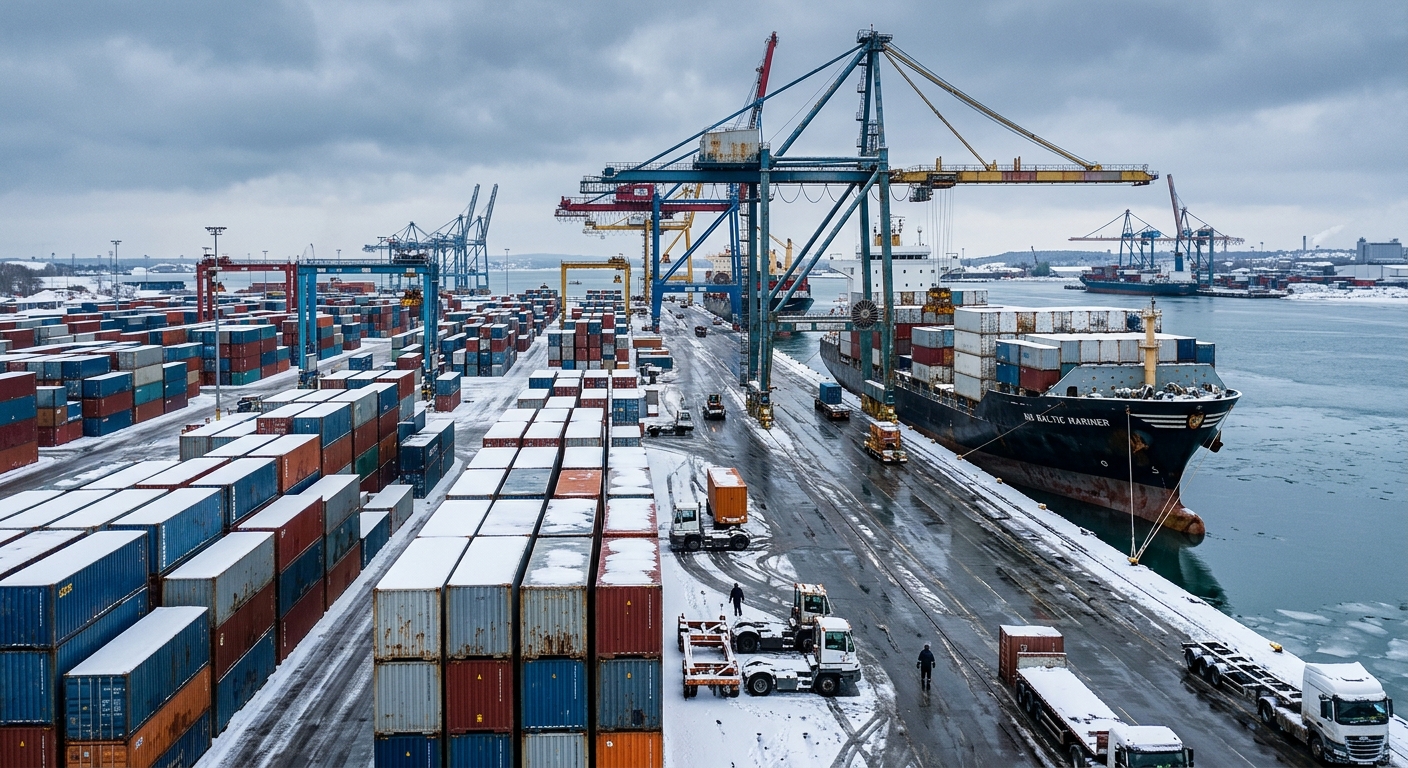
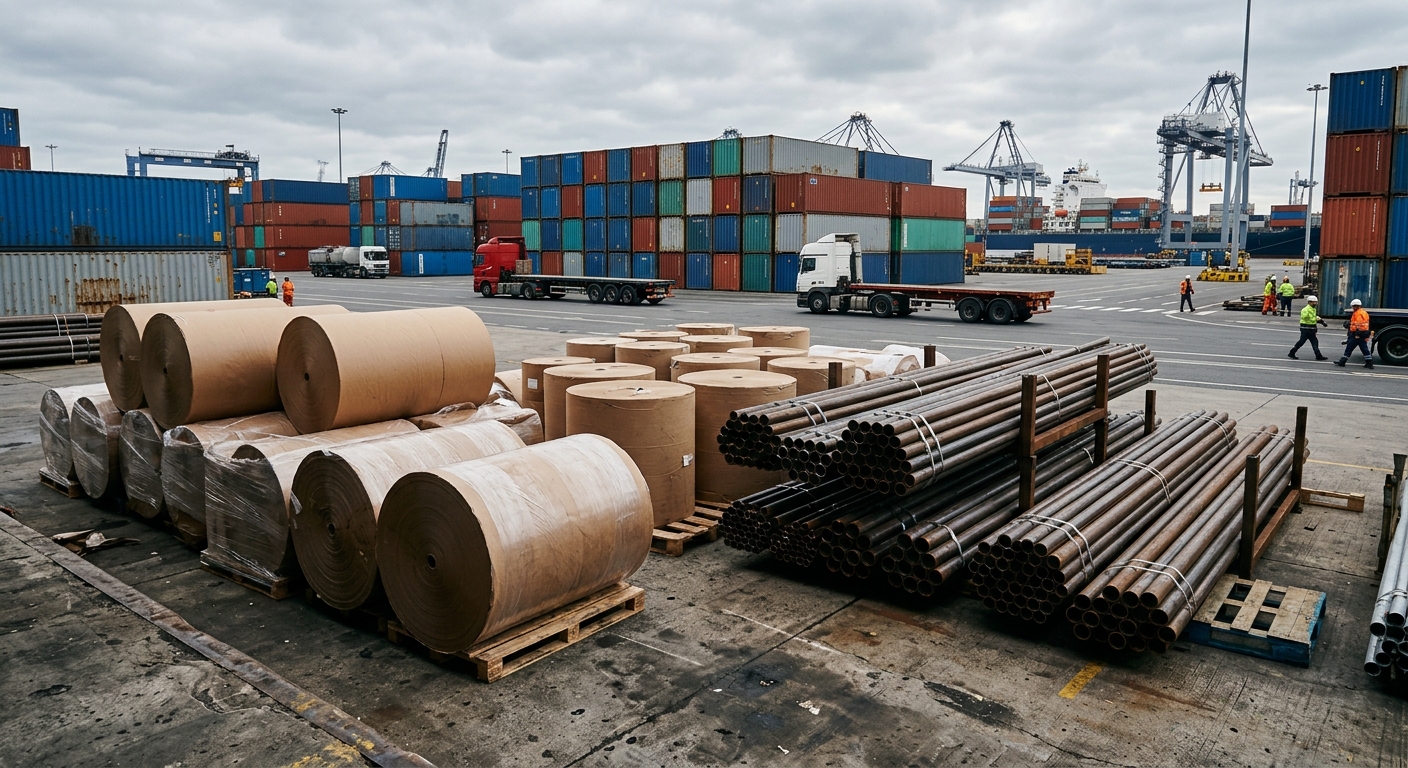
Amid this uneven recovery, industrial real estate continues to outperform expectations. Thanks to robust growth in e-commerce and nearshoring strategies, warehouse and logistics facilities—especially in Ontario and British Columbia—remain in high demand. Vacancy rates in these sectors are at historic lows, with lease rates climbing steadily since early 2024.
“Logistics is the new retail,” said a CRE analyst based in Mississauga. “Distribution hubs are now as vital as shopping malls once were.”
Even in Atlantic Canada and the Prairies, where CRE activity typically lags behind national trends, demand for light industrial properties is rising. Several logistics developers are eyeing secondary cities like Moncton and Regina for last-mile delivery infrastructure.
Office Market: Shrinking Footprints, Expanding Expectations
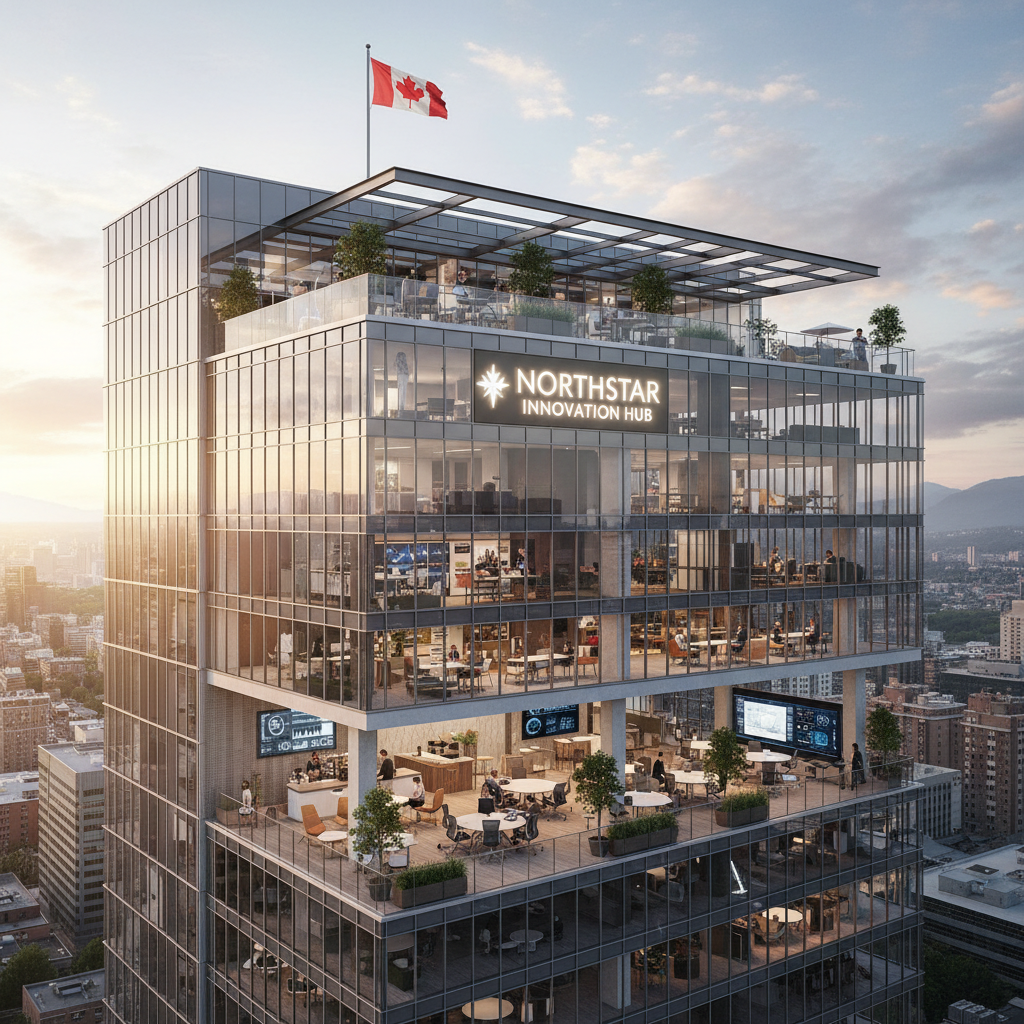
For Canada’s office market, the path forward is lined with both consolidation and innovation. Developers are now prioritizing Class A properties equipped with high-tech amenities, sustainable certifications, and lifestyle-focused layouts.
A recent case study in downtown Vancouver saw a mid-sized firm consolidate three floors into a single open-concept hybrid space—complete with wellness zones, acoustic pods, and a rooftop coworking lounge. The result? A 12% increase in employee in-office attendance and a 9% drop in facility costs year-over-year.
Older Class B and C office buildings, however, continue to struggle. While there’s growing interest in converting these into residential units, especially in cities like Winnipeg and Montreal, zoning and funding complexities remain significant hurdles.
CRE Investors Shift Gears—But Not Away
Investment in Canadian CRE is shifting, not stalling. Institutional investors are diversifying into multi-use properties, medical office buildings, and senior living developments, which offer more resilience to market shocks. There’s also increased attention to ESG metrics, especially in Vancouver and Toronto, where green building performance now directly influences deal closures.
Interestingly, domestic investors are now more active than foreign capital, marking a reversal of pre-pandemic trends. “Canadian funds are showing strong conviction in the long-term potential of their own market,” said a real estate economist based in Ottawa.
A Market Looking Inward for Momentum
Across Canada, the CRE sector seems to be taking a moment to recalibrate rather than race. Developers are rethinking density. Landlords are renegotiating with tenants. Municipalities are rewriting zoning codes. And through it all, what emerges is a slower, steadier, but arguably more sustainable form of recovery.
It’s not the roaring comeback some forecasted in early 2023. But it’s a recovery informed by realism, supported by adaptive reuse, regional flexibility, and a deeper understanding of how people want to work, shop, and live.
From the bustling Metro Toronto cores to the far reaches of Northern Canada, the commercial real estate sector is learning that the new value lies not just in location—but in intention.