
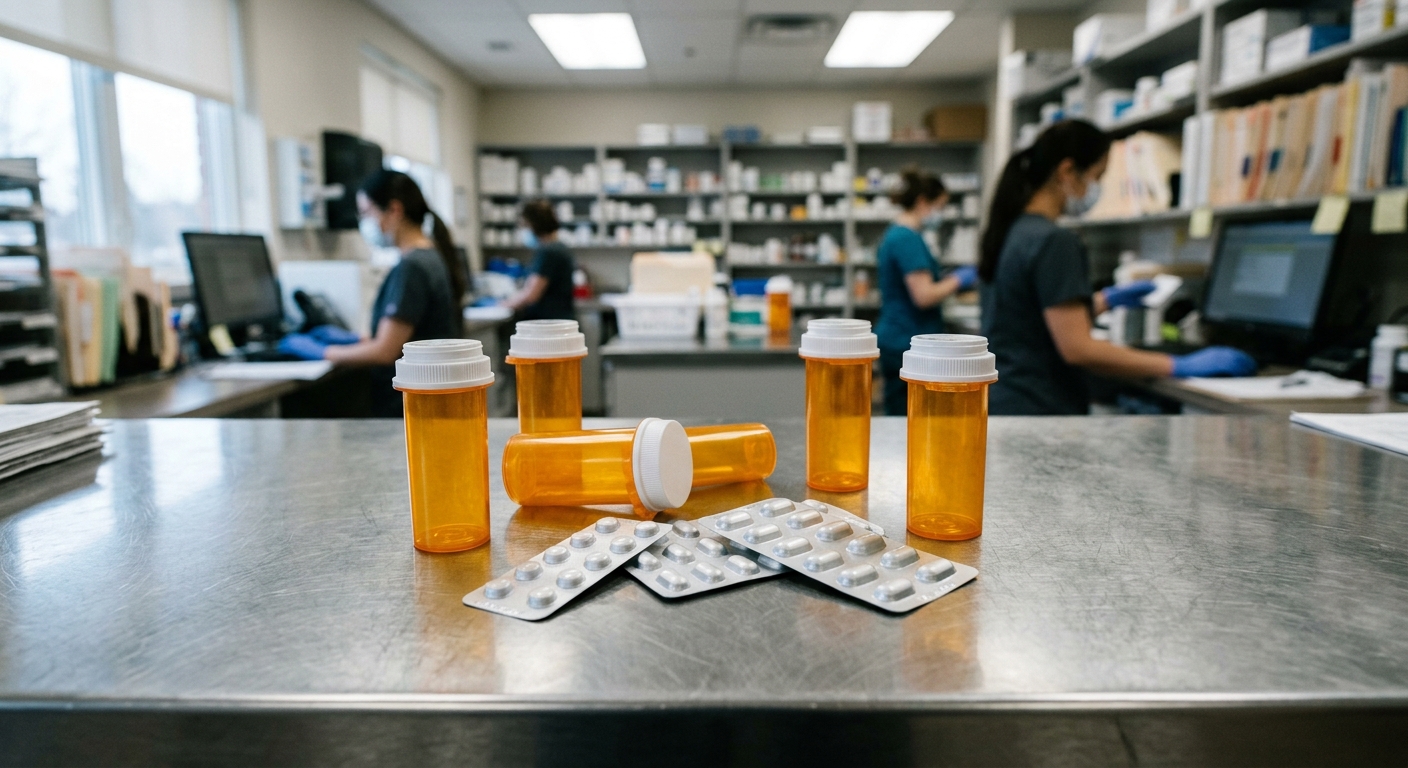
AI-generated illustration; not a photograph of the reported event.
- calendar_today October 13, 2026
Ontario Regulator Approves Changes to Safer Supply Prescriptions
The College of Physicians and Surgeons of Ontario (CPSO) has approved significant changes to how doctors prescribe safer supply drugs. This move is aimed at reducing the amount of prescription opioids diverted to the streets and enhancing the safety of opioid addiction treatment programs.
New Requirements for Safer Supply Prescriptions
On Tuesday, the CPSO board of directors passed a motion after discussing proposed amendments to current prescribing guidelines for safer supply — a harm reduction approach that provides regulated medications as alternatives for people at high risk of opioid overdose. The newly approved changes will require physicians to prescribe safer supply medications only alongside opioid agonist therapy (OAT), which includes treatments such as suboxone and methadone.
Focus on Opioid Agonist Therapy
Opioid agonist therapy involves medications designed to treat opioid addiction by reducing cravings and withdrawal symptoms. By mandating that safer supply prescriptions are issued only when accompanied by OAT, the regulator aims to ensure that patients have access to comprehensive support as they transition away from illicit drug use.
Statement from CPSO Leadership
Dr. Patrick Safieh, Chair of the CPSO board, commented at the close of the meeting, “We are just here to protect the public and we’re here to ensure that the public is safe. So we’re trying to prevent diversion as much as possible and at the same time, ensuring that those that do require safer supply are taking (opioid agonist therapy) so that eventually no one is on this and needs this, that’s the purpose.”
Aiming to Address Drug Diversion and the Opioid Crisis
Drug diversion — the redirection of prescription medication for illicit use — has been a significant concern in opioid overdose and the broader opioid crisis. The CPSO board’s latest decision specifically targets the issue of diverted safer supply medications reaching the illegal drug market. The board believes that stricter guidelines will strengthen existing harm reduction efforts while improving patient safety and overseeing medical regulation more closely.
Implementation of New Medical Regulation Measures
The CPSO board will soon implement these mandatory changes across Ontario. The practical effect is that physicians will only be allowed to prescribe safer supply drugs in conjunction with treatments like suboxone or methadone. Supporters hope this dual approach will gradually reduce dependency on both illicit and prescribed opioids and eventually lessen the overall need for safer supply interventions.
Ongoing Focus on Public Safety
The changes underscore the province’s ongoing strategy to use a combination of harm reduction and medical regulation to fight the opioid crisis. By reinforcing the link between safer supply and opioid agonist therapy, Ontario's medical regulator aims to balance access to lifesaving treatment with public safety and accountability.
Source: globalnews.ca.