- calendar_today August 21, 2025
Introduction
North and South Dakota business leaders and investors are keeping a close eye on the recent stock crisis of Wolfspeed, a leading semiconductor company. Wolfspeed’s stock posted its lowest level in nearly three decades, raising concerns about the prospects of semiconductor supply chains, regional investment trends, and economic stability in the region.
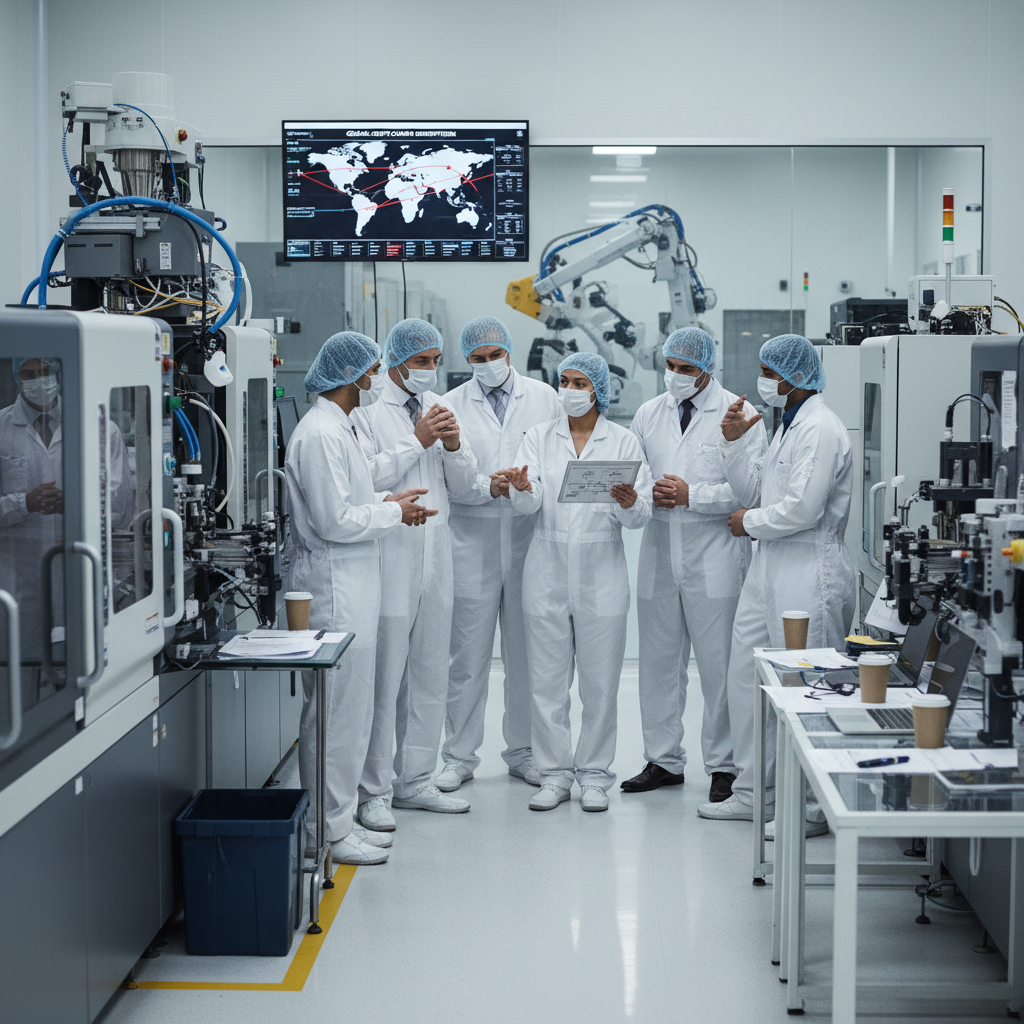
The Dakotas, that are more and more taking the lead in manufacturing and technology, rely on consistent semiconductor production to supply industries such as clean energy, telecommunications, and advanced machinery. With Wolfspeed’s share price crashing, experts are analyzing how this fall will affect business locally.
Why Wolfspeed’s Stock is Crash
Wolfspeed’s financial crisis results from various reasons:
- Rising Production Costs – Manufacturing high-quality semiconductors, especially silicon carbide chips, has become more expensive, tightening margins.
- Delays in Expansion Plans – Wolfspeed intended to expand its production facilities but has faced challenges, bogging down supply chains.
- Increased Competition – Chipmakers globally, as well as in Europe and Asia, are catching up, making it more challenging for Wolfspeed to lead the market.
- Investor Anxiety – Anxiety over the company’s future has led to a sell-off, further lowering stock prices.
These problems have sent shockwaves through industries that depend on Wolfspeed technology, such as those in North and South Dakota.
Impact on the Dakotas’ Business Environment
The financial impact of Wolfspeed’s stock crisis is still to be felt in North and South Dakota but some of the major concerns are:
- Supply Chain Delays – Local businesses tend to rely on semiconductors for technology and equipment, and delays in production on chips may hinder operations.
- Investor Caution – Wolfspeed’s problems may tempt investors to be cautious while investing in semiconductor-related businesses in the Dakotas.
- Manufacturing Uncertainty – Companies that are involved in clean energy, smart agriculture, and automation may need to rethink their plans to avoid being overdependent on a single chip supplier.
Industry and Expert Reactions
Business and technology leaders in North and South Dakota are taking a cautious approach to addressing the issue. While others remain hopeful that Wolfspeed’s performance is only temporary, others worry about long-term effects on regional industries.
Financial advisors recommend that businesses should:
- Diversify Suppliers – Having multiple semiconductor suppliers can eliminate potential risks brought about by one firm’s underperformance.
- Foster Local Investment – State and private investment in semiconductor production and research can make the region more stable.
- Monitor Market Trends – Monitoring semiconductor demand and upcoming technological innovations will put businesses ahead of the game.
Dakotas’ Future for Tech Industry
Albeit Wolfspeed’s failure, overall demand for semiconductors is strong. The push for clean energy, artificial intelligence, and automation will continue to fuel the tech industry growth.
North and South Dakota businesses can take proactive steps to:
- Enhance local relationships to have reliable access to essential components.
- Advocate for state and federal support to enhance semiconductor investments.
- Research new semiconductor technologies to stay competitive in the evolving market.
Conclusion
Wolfspeed’s stock debacle has put North Dakota and South Dakota companies on edge about how dependent they are on semiconductor technology. But business executives are optimistic that the region can transform by diversifying supply chains, investing in innovation, and working with policymakers.
As the semiconductor industry expands, the Dakotas can cement their position in the market and build a more resilient economy for the future.