- calendar_today August 27, 2025
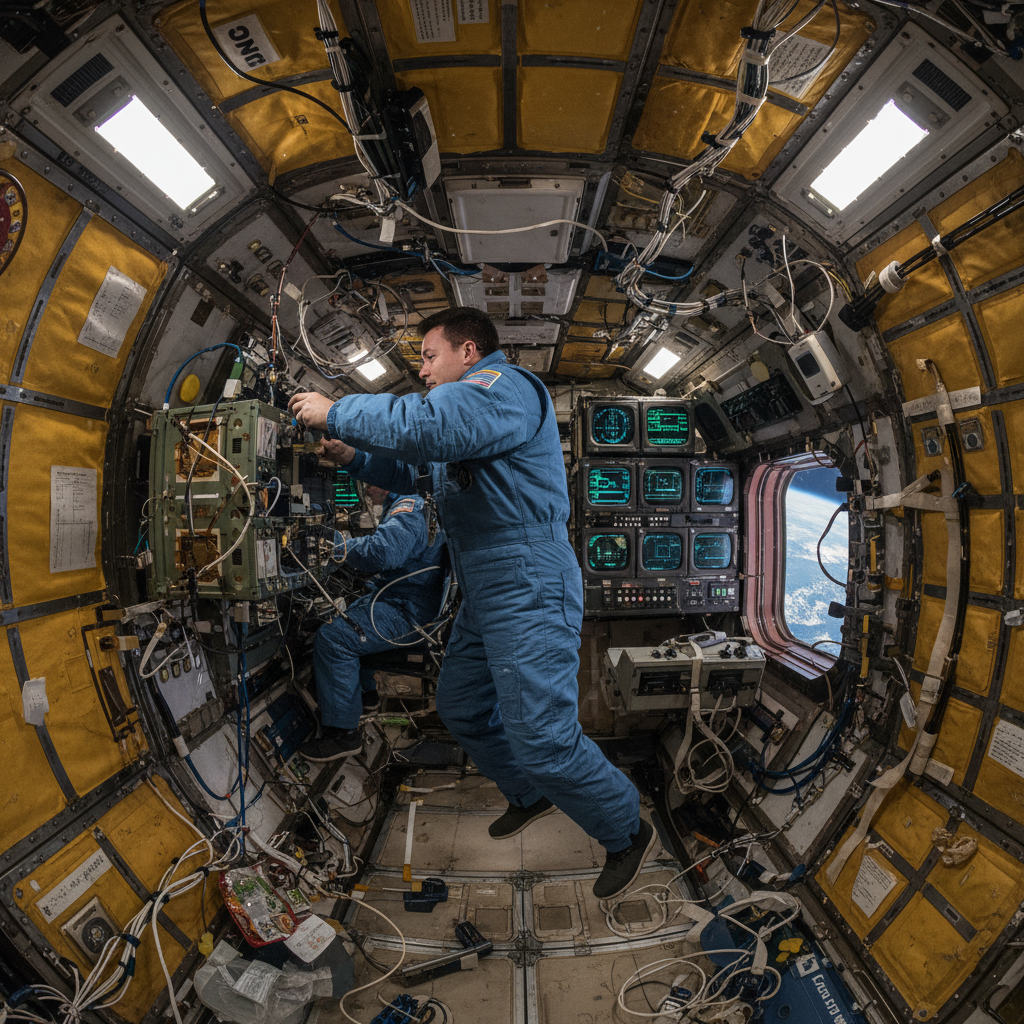
NASA and Roscosmos are concerned by a new air leak on the International Space Station (ISS) which leads to the postponement of Axiom Mission 4 meant to transport four astronauts to the lab in space. NASA acknowledged the postponement but provided minimal public information regarding the ongoing issue. Sources report that the situation aboard the ISS receives heightened attention because the station’s aging hardware keeps showing signs of degradation.
Persistent leaks have occurred on the orbiting space station which has completed almost three decades in space with the Russian Zvezda service module being the most significant source of these issues. The persistence of the leak following successful recent repairs makes the current situation concerning.
Ongoing Leak in Zvezda Module
The history of leaks aboard the ISS provides essential context to understand the current situation.
- From 2019 onward the International Space Station has been enduring a gradual air leakage which is detectable through measurements.
- The transfer tunnel in the Zvezda service module which is one of the space station’s oldest parts was identified as the source of the leak.
- The PrK tunnel links Zvezda to the docking port that accommodates both Soyuz crew capsules and Progress supply ships.
Russian cosmonauts have performed multiple repair attempts which have only managed to reduce the leak without fully stopping it. Measurements showed the leak was releasing several pounds of air daily at one stage. The primary mitigation strategy involves keeping the PrK hatch closed except during necessary docking operations.
Roscosmos declared successful completion of repair work this month which resulted in the PrK module becoming “completely sealed” and NASA confirmed this assessment while both agencies confirmed the leak in the module stopped.
Surprisingly the air pressure throughout the entire space station continued to decrease. The inconsistency brought new concerns and additional questions.
Theories Behind the Continued Air Loss
The PrK module has been fully sealed yet air continues to escape from the ISS. Two independent sources suggest that the current best explanation points to hatch seals leading into the PrK as the new problem.
Here’s the likely scenario:
- The PrK module shows no internal leakage but may still be letting air in through its hatch seals.
- Air slowly infiltrating the sealed PrK area creates misleading pressure readings that appear stable.
- The entire station continues to experience pressure loss although the particular module shows no signs of leakage.
NASA is monitoring the situation closely. According to an official familiar with the situation who spoke to Ars Technica the space station program’s leaders expressed their concerns which led NASA to push back the Axiom Mission 4 launch initially planned for Thursday.
The agency issued the following statement:
“NASA and Roscosmos received extra time to assess the current situation and decide if further troubleshooting steps need to be taken after Axiom Mission 4 was postponed.”
June 18 represents an unofficial launch date but remains uncertain based on the current situation’s development.
Could Structural Fatigue Be the Underlying Threat?
The most severe possible outcome exceeds the severity of a leaking hatch. Engineers now suspect that the leaks could indicate high cycle fatigue where metal becomes weaker through repeated stress exposure over time. This phenomenon is especially concerning because:
- This condition may trigger abrupt catastrophic breakdowns that occur without prior signs.
- This damage occurs like bending a metal hanger repeatedly until it finally breaks.
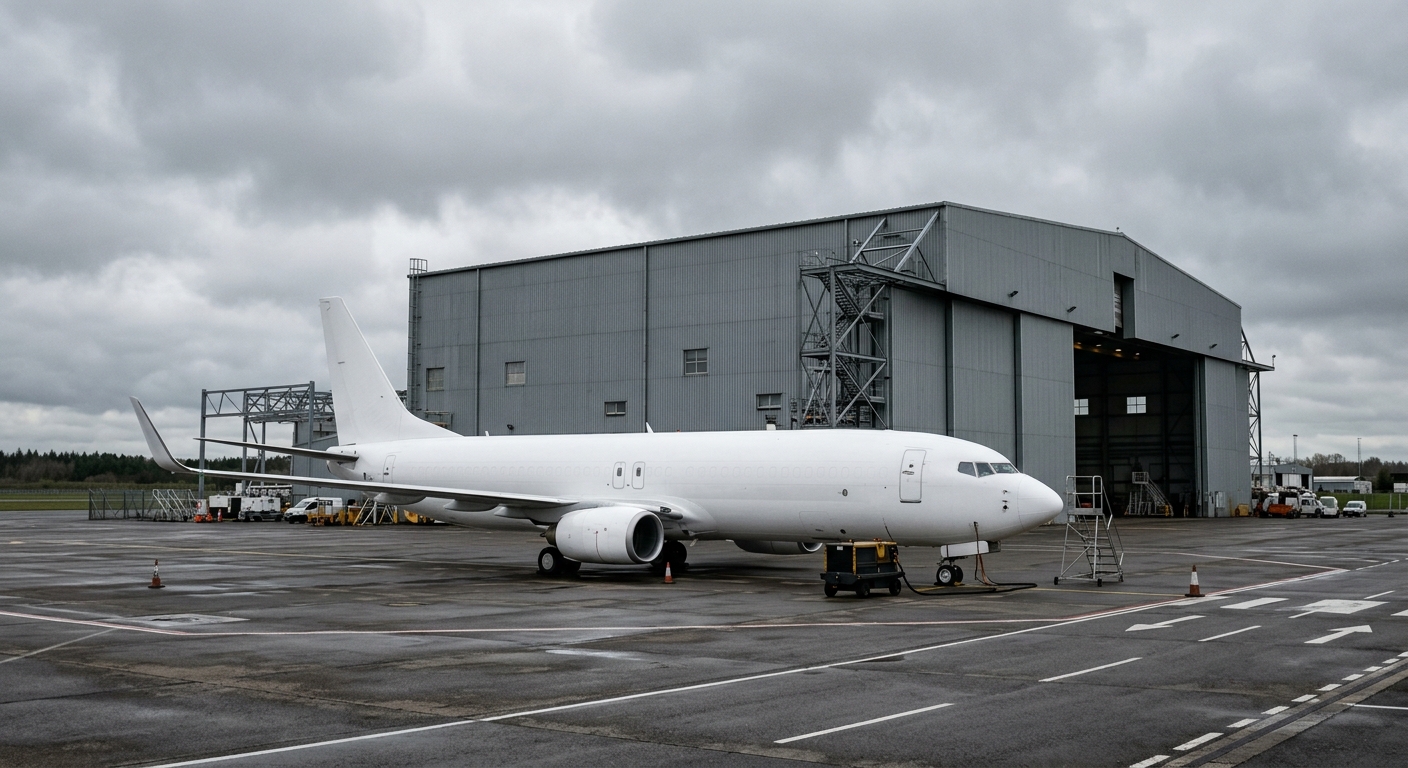
- In 1988 Aloha Airlines Flight 243 underwent mid-air decompression because structural fatigue weakened the aircraft’s aluminum body.
NASA considers structural cracking as the top threat within its five-level risk matrix that evaluates both threat likelihood and severity to the station.
NASA Keeps Quiet, But Crew Remains Safe
NASA currently provides no new technical updates and has yet to organize a press conference about the situation. Even as media inquiries increase the agency has yet to release any statement other than: “The crew aboard the International Space Station is safely conducting normal operations.”
“Astronauts on the International Space Station continue to carry out their regular duties without any safety issues.”
Human activity aboard the ISS continues as normal at the present time. The ongoing decrease in air pressure along with outdated infrastructure shows that humanity’s significant engineering achievements still face deterioration over time.
NASA and Roscosmos continue their investigations while the world watches the skies hoping for answers.