
- calendar_today August 13, 2025
Nationally, Increased Costs Affect Auto Industry
Introduction
India’s leading car maker, Maruti Suzuki, has announced a 4% rise in car prices from April 2025 as a result of rising input and production costs. While the short-term revisions are for the Indian market, their effects are being seen everywhere globally, including in Canada’s automotive industry.
Being the world’s most networked auto market, Canada is sensitive to global fluctuations in the cost of materials, manufacturing supply chains, and carmaker plans. Players in the industry like dealers, suppliers, and buyers are now assessing how such trends can influence availability of automobiles, price trends, and consumer behavior throughout the nation.
Effect on Canada’s Auto Market
Canada’s automotive ecosystem has a significant role to play in global trade, manufacturing, and innovation. Therefore, the price hike by Maruti Suzuki is raising debates among different segments of the country’s automotive industry.
1. Supply Chain Adjustments
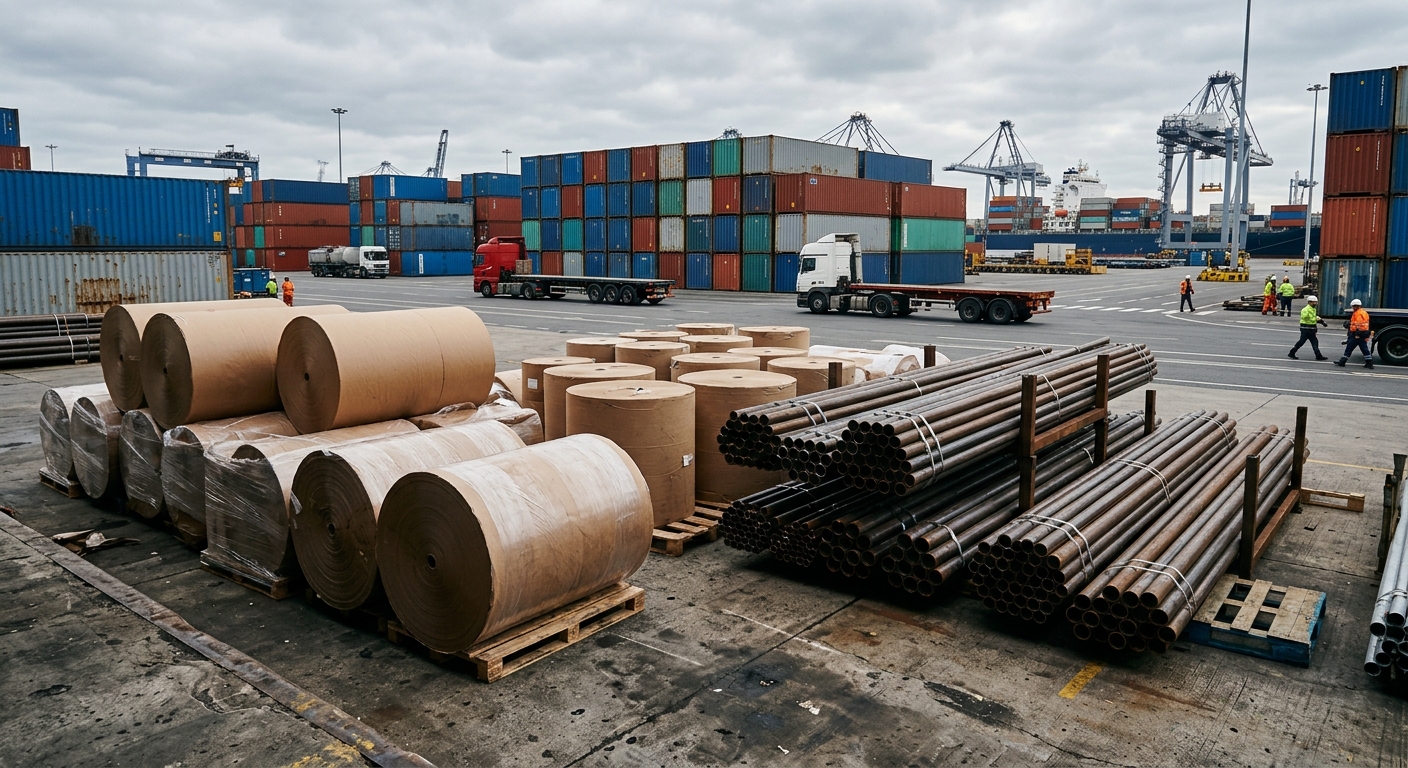
Increases in the cost of primary raw materials like steel, aluminum, lithium, and copper—which are used in both traditional and electric vehicles—can raise local production and assembling costs. Canadian automobile companies and auto component manufacturers could be forced to adjust their production volume and sourcing methods.
2. Consumers’ Price Sensitivity
If the cost push spreads to other car makers globally, Canadian buyers will either have to pay more at the dealers’ showroom, get lower promotional rebates, or pay adjusted financing rates. More prospective buyers would then be directed toward used cars, EV incentives, or leasing schemes as lower-cost alternatives.
3. Trade and Export Considerations
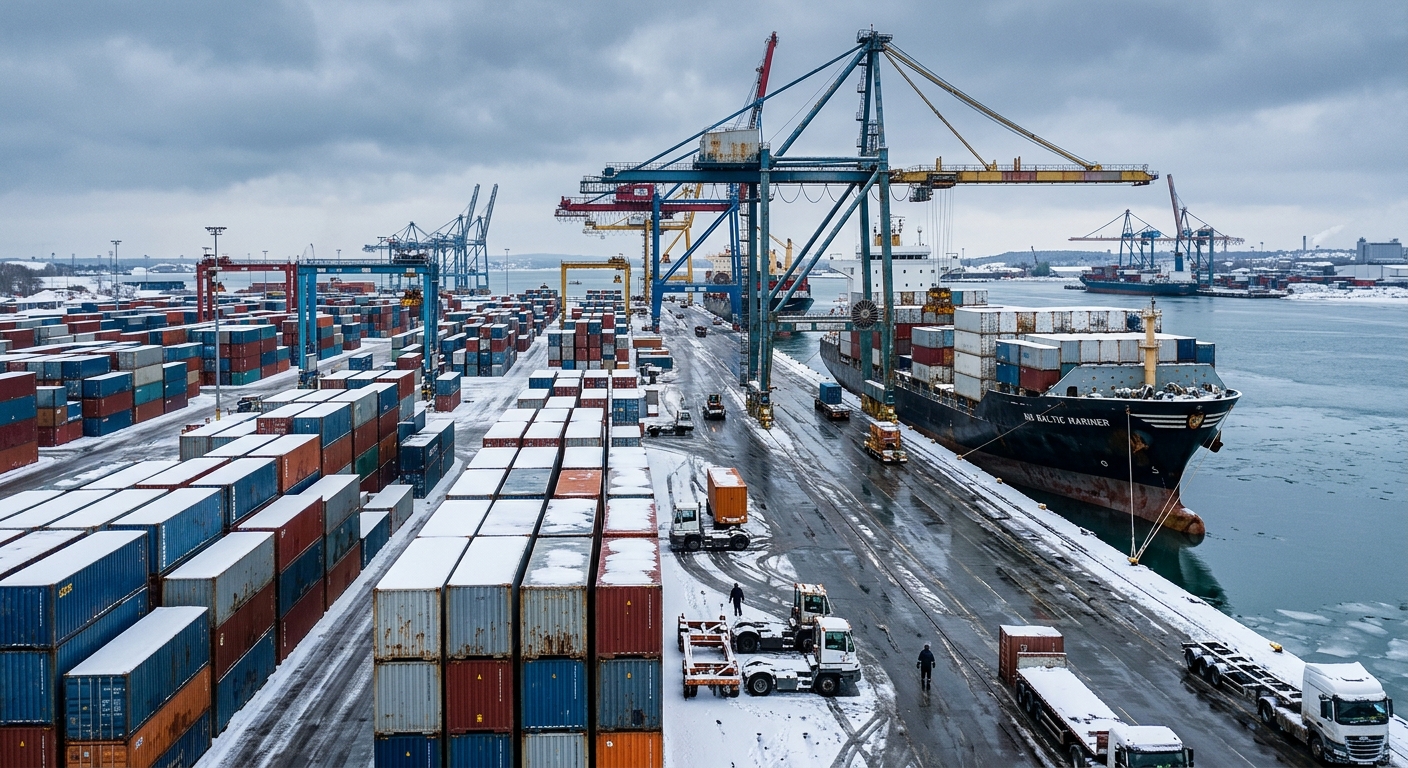
Canada is a significant exporter of vehicles and auto parts, mainly to Mexico and the United States. A change in global cost of production might result in renegotiation of prices and volatile overseas demand, especially from economies exposed to the same cost pressures.
Drivers of the Global Price Rise
The move by Maruti Suzuki is a symptom of broader trends in the global automotive industry. There are a number of drivers behind the increased cost of cars globally:
– Input Costs and Inflation
International inflation has raised the cost of raw materials, transportation, and labor. Consequently, this is compelling manufacturers to pass costs to customers by increasing prices.
– Supply Chain Disruptions
Post-pandemic economic conditions, coupled with geopolitics tensions and logistics congestion, are still upsetting supply chains. Shortages of essential components, such as semiconductors, have driven up production costs and delays.
– Competitive Market Strategy
As the world’s manufacturers grapple with rising costs, their pricing strategies are shifting. Incentives may be cut back, financing terms may tighten, and inventory may shift to include vehicles with higher profit margins.
Canada’s Response to the Price Increase
Canada’s automotive industry is not sitting still. As ripple effects of worldwide price hikes become more evident, Canadian manufacturers, dealerships, and policymakers are responding in the following ways:
– Posing for Alternative and Local Suppliers
In order to counter escalating worldwide costs, many Canadian producers are looking inward to provide materials locally or form strategic alliances with other suppliers to balance operations.
– Boosting Incentive Plans
Canadian automobile dealerships will need to use financing offers, trade-in rewards, and loyalty rewards to maintain market pull high in spite of increasing vehicle costs.
– Observing Consumer Trends
Market researchers are monitoring trends in car preference, price, and financing, especially with younger buyers preferring EVs, car subscriptions, and online-first shopping.
Future Prospects: Hardiness and Opportunity for Canada’s Auto Industry
Maruti Suzuki price adjustment illustrates the interconnectivity of the world automobile economy, where a decision in India can trigger reassessment across the world. This is as much a threat as an opportunity for Canada.
Over the next few months, we can anticipate the following:
- Growing adoption of electric vehicles on the back of cost savings and environmental policy
- Growing encouragement of local production with the support of government incentives and investment
- Shifting consumer financing behaviors, with emphasis on flexibility and affordability
- Growing digitalization of automobile purchase, financing, and ownership
Through its agility, the Canadian auto sector will be able to thrive despite market fluctuations globally, adapting to rising input costs as it embraces sustainability and innovation.
Conclusion
Maruti Suzuki’s April 2025 price hike may seem like a distant policy from the Indian subcontinent, but its impact is already being felt across Canada’s auto landscape. As production costs rise globally, Canadian businesses and consumers are preparing for new pricing realities, evolving supply chain dynamics, and shifting car ownership preferences.
The road ahead may be uncertain, but with vision and flexibility in approach, Canada’s automotive industry is poised to ride out this era of transition.