- calendar_today August 22, 2025
Economic Pressures and Trade Uncertainty Affect Canadian Athleisure Market
Canadian retailers keep a watchful eye on Lululemon’s economic troubles, considering the possible effects on consumer demand, domestic competition, and business strategy.
Introduction
Lululemon, a Canadian premium activewear behemoth, is now grappling with a faltering economic climate in the nation. In the wake of changing consumer tastes and growing financial instability, recent results at the brand have shaken the retail industry to its foundations. Canadian retailers are now weighing whether the current problems at Lululemon will affect not just the activewear market but the general fashion retail market in Canada.
Why Lululemon’s Economic Pressures Matter to Canadian Retailers
Lululemon’s results have frequently served as a bellwether for premium activewear and fashion markets. Its recent downturn exposes underlying trends within the universe of Canadian retail, and they are also causing concerns as well as strategic rethinking among domestic companies.
1. Waning Consumer Appetite for Premium Activewear
As inflation rises and the purse strings on household budgets tighten, Canadian shoppers are abandoning luxury brands such as Lululemon for more affordable alternatives. Consumers’ desire for premium-priced athleisure is being eroded, and retailers must rethink what brands and price points appeal to their customers.
2. A Shifting Competitive Landscape
Lululemon’s troubles are paving the way for mid-level and local brands to make a name for themselves. With word-of-mouth credibility eroded and consumers test-driving new brands that provide comparable quality at reduced prices, Canadian competition is picking up heat. Stores are attempting to diversify merchandise so that they can poach market share from price-conscious consumers.
3. Supply Chain and Inventory Recalibrations
A fall in Lululemon sales will also have an impact on supply chain decisions and retail inventory planning. Most are already reconsidering stock levels and promotions, trying to strike a balance between high-end products and cheaper alternatives in order to remain profitable.
Key Drivers of Lululemon’s Financial Strains
Several key drivers are driving Lululemon’s financial strains in Canada:
- Economic Pressures: Rising inflation, flat wages, and overall economic instability are keeping consumers from discretionary spending, particularly on luxury or non-essential products.
- Changing Consumer Trends: While athleisure is a mainstay, consumers are looking for flexibility, sustainability, and affordability, triggering changes in brand loyalty.
- Heightened Competition: More activewear brands—foreign as well as domestic—have entered the Canadian market with similar looks and performance but at lower prices.
- Strategic Errors: Lululemon’s existing pricing and promotion strategies might not be as symbiotic with customer expectations anymore. Unless the company makes dramatic changes, the brand will be at risk of obsolescence.
Canadian Retailers Respond: How to Remain Competitive
Canadian retailers are behaving reasonably in response to Lululemon’s fall, adopting defensive and offense measures to keep customers involved and profitable.
Diversification of Product Offerings
Retailers are increasing their assortments to encompass new activewear brands and private-label lines that add value without sacrificing quality or style.
Increased Promotions and Reward Programs
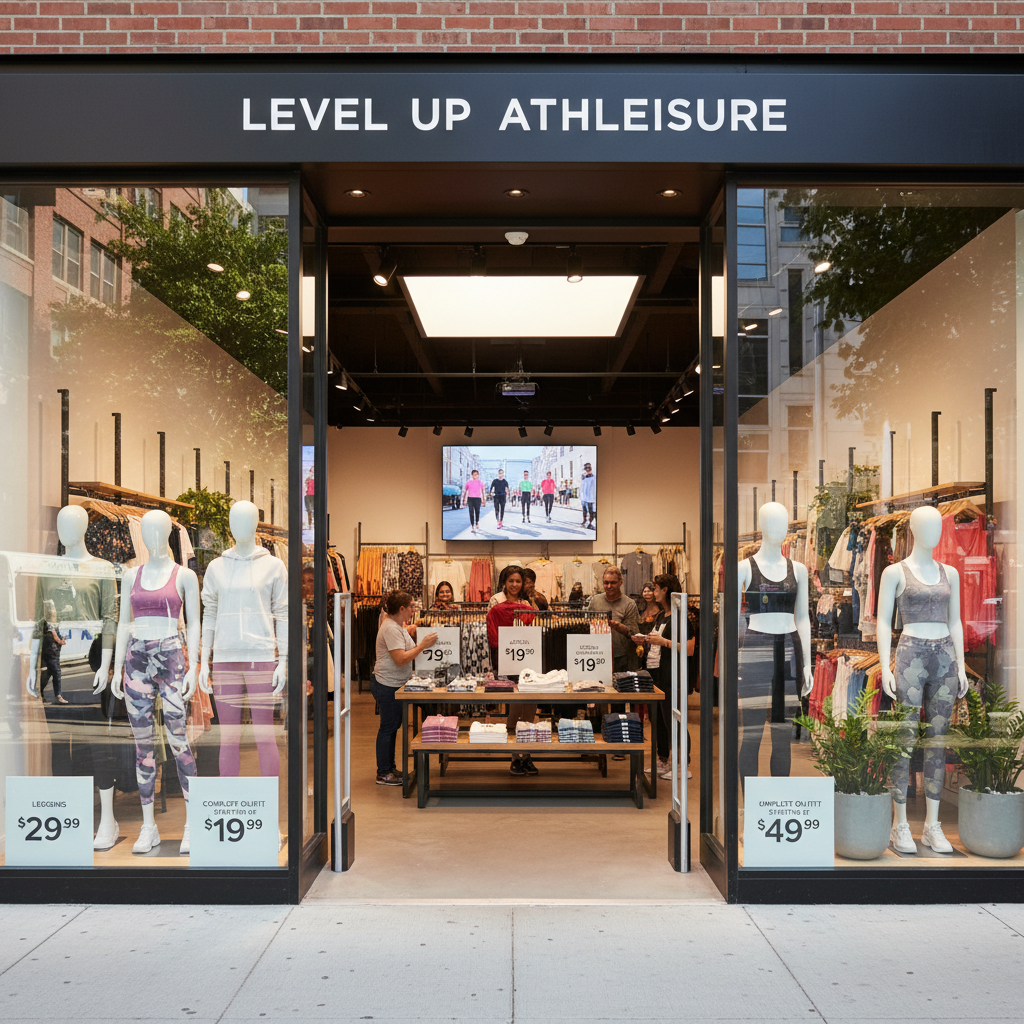
As price remains front of mind for many consumers, Canadian retailers are offering tailored promotions, season-end liquidation sales, and reward programs to attract and retain buyers.
Monitoring Consumer Mood
Being agile to shifting consumer priorities is more important than ever before. Consumers are responding in feedback, point-of-sale information, and market research, which retailers are answering with by refining offerings in real-time.
Sinking Money into Customer Experience
From streamlining online shopping interfaces to hosting store events and fitness pop-ups, Canadian retailers are making the extra effort to craft rich, interactive experiences that build greater customer connections.
The Future of Fashion Retail and Activewear in Canada
Although Lululemon’s decline is a cause for short-term concern, long-term Canadian fashion retail prospects are positive but cautious. The activewear segment is changing, not fading. Retailers who stay nimble, pay attention to consumers, and provide value and quality in balance are destined for success.
Sustainability, local sourcing, and diversity are the kinds of trends that will define the Canadian fashion future. Therefore, those retailers who subscribe to such philosophies are more likely to gain consumers’ trust and establish brand loyalty in a post-Lululemon-shift environment.
Conclusion
Lululemon’s financial troubles in Canada have served as an eye-opener to Canada’s retail industry. With declining premium demand and growing competitive pressure, fashion retailers will need to prepare themselves for affordability, creativity, and closer consumer engagement. By refining strategy and stepping ahead of market trend transformation, Canadian companies can weather the present economic storm as much as they can come out of it stronger in a growing, diversified, and value-based retail landscape.