- calendar_today August 25, 2025
A New Era of Luxury in Canada
In 2025, luxury retailing in Canada is quietly evolving. No more brand name-driven, scarcity-stoked, and impulse-driven, the new Canadian consumer wants something smarter and more compassionate shopping. Across Toronto and Vancouver, Calgary, and Montréal, upscale brands are rewiring the rules of engaging with their customers.
This change is not a flash in the pan—it is an evaluation of ongoing adjustments in consumer patterns. Today’s luxury Canadian consumer demands transparency, ethics, customized service, and online simplicity. To fit this, retailers across the nation are changing to fulfill these needs while ensuring the premium quality for which their brands are known.
Sustainability Becomes the Standard
By 2025, sustainability is no longer an added nicety but a business imperative. Canadian luxury consumers, particularly Millennials and Gen Z, are raising hard questions: Where is it made? Are materials sourced responsibly? What is the footprint?
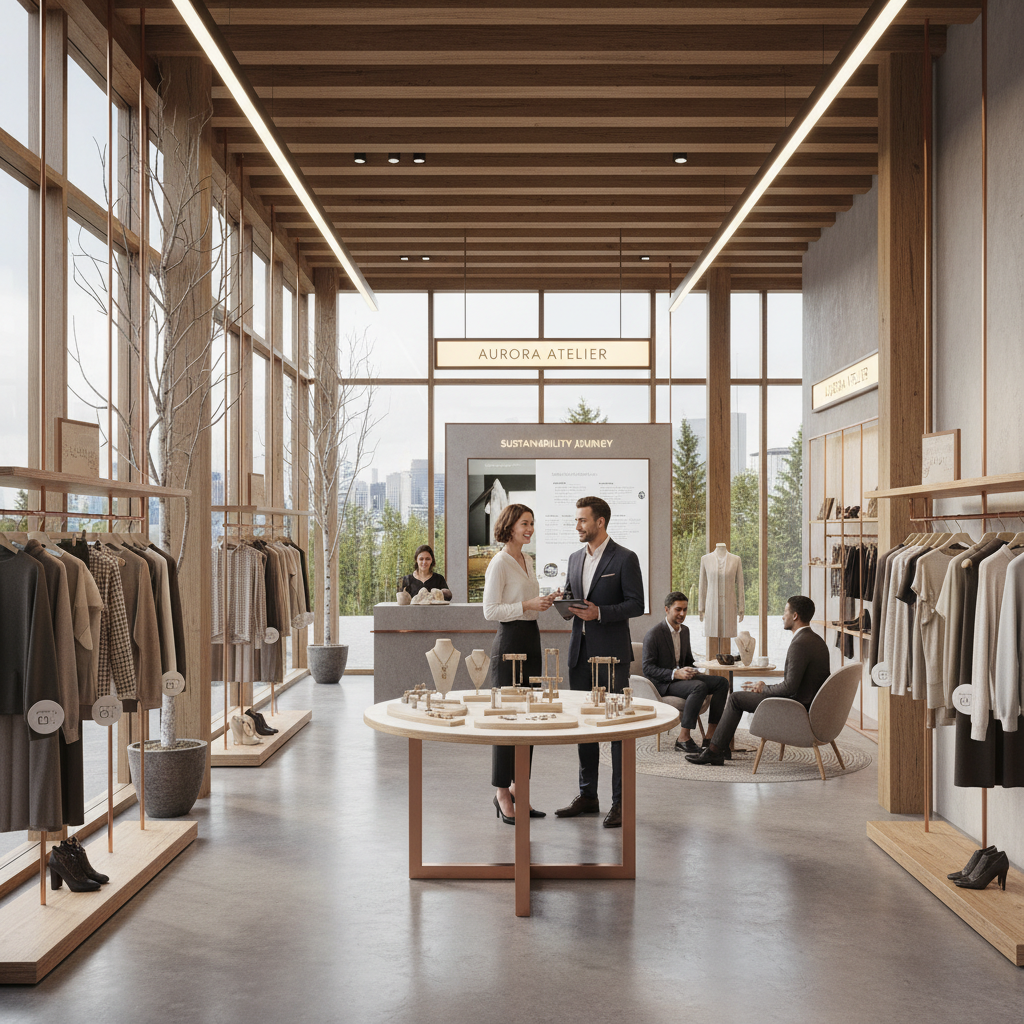
Canadian high-end designers are doing their share in the correct direction. They are investing in circular fashion, recycling and organic materials, and clear supply chains. The top brands now market their green initiatives in-store and on-line, allowing customers to make effective decisions.
Retailers are also launching “pre-loved” or second-hand programs, resuscitating expensive items. Luxury consignment stores are thriving in Vancouver and Toronto—proof that sustainability and style can be BFFs.
Digital Luxury Expands and Evolves
Canada’s expansive geography and connected citizenry have hastened the quest for digital convenience. Canadian online luxury shopping is more vibrant and tailored than ever in 2025.
In addition, various retailers are combining e-commerce with virtual fashion advice, live chat support, and augmented reality (AR) capabilities to enable customers to “try on” items at home. Urban flagship stores in such metropolitan centers as Montréal and Toronto are integrating mobile applications and contactless solutions to facilitate seamless store experiences.
Social media also plays a significant role. Canadian high-end brands are engaging with customers on Instagram, TikTok, and YouTube by posting behind-the-scenes content, tutorials, and influencer partnerships that seem real and genuine.
Personalization Is Key
Canadian high-end consumers no longer want just great products—they want personal experiences. This has prompted high-end stores to spend money in customer loyalty schemes and information that offer tangible worth.
Personalization in 2025 is all about everything from trend curation to birthday presents and customized member events. Canadian consumers are attracted to luxury brands which recall their tastes and provide thoughtful, unique touches.
Others are providing one-on-one consultations, online or in-store, whereby consumers are being provided with fashion guidance, pre-views of collections ahead of time, or product fittings tailored to them. These services build customer loyalty and make the shopping process feel upscale and personalized.
Inclusivity and Representation Matter
Canadian shoppers in 2025 are socially aware and more diverse than ever. They demand to be represented in the brands that they shop at—through marketing, product lines, or store settings.
Luxury brands are responding with launching diverse advertising that reflects diverse cultures, sizes, genders, and identities. Brands are also increasing their size ranges, diversifying staff, and hiring Indigenous creatives or artisans who are local to the region.
In Ottawa and Winnipeg, for instance, luxury consumers are increasingly hungry for luxury items that celebrate Canadian heritage—be it in the form of locally sourced material, heritage craftsmanship from Canada, or collaborations with First Nations artists.
Luxury Travel and Tourism Trends Impact
Canada’s luxury travel market also influences the nation’s tourism patterns. Urban travel destinations like Vancouver, Banff, and Québec City offer luxury tourists the opportunity to buy exclusive luxury products during their visit.
To serve such consumers, luxury stores are also providing exclusive in-store experiences to tourists, ranging from multilingual staff, custom packages, and tax-refund facilities. Luxury cruise liners and hotels have even partnered with some stores to provide customized shopping outings as part of holiday packages.
Such partnerships make Canadian luxury affordable for foreign tourists—and generate fat revenues, too.
Wellness and Lifestyle Products See Rise in Demand
In 2025, luxury is not just about style—it’s about feeling good. Canadian shoppers are placing higher value on wellness, comfort, and balance. High-end retailers are, in turn, expanding their product lines to include wellness products like aromatherapy, high-end skincare, quality loungewear, and designer fitness gear.
Merchandisers are also designing soothing in-store atmospheres with muted light, earthy fragrances, and relaxation music. Some high-end brands even provide in-store wellness treatments such as facials or meditation sessions, transforming their stores into lifestyle hubs instead of mere shopping hubs.
The Road Ahead: Thoughtful Growth and Innovation
As Canada’s luxury retail landscape takes form to meet 2025’s needs, this is certain—success comes by way of innovation, empathy, and responsibility. The new Canadian consumer desires not just beautiful but also significant and conscious luxury.
From sustainable lines to bespoke service and transparent storytelling, Canadian high-end brands are remaking the rules. They’re strengthening connections with buyers by keeping top of mind what truly is important: quality, values, and trust.
As consumers’ expectations keep shifting, Canada’s luxury department stores are stepping up to the challenge—of redefining what luxury in the contemporary age looks like.