
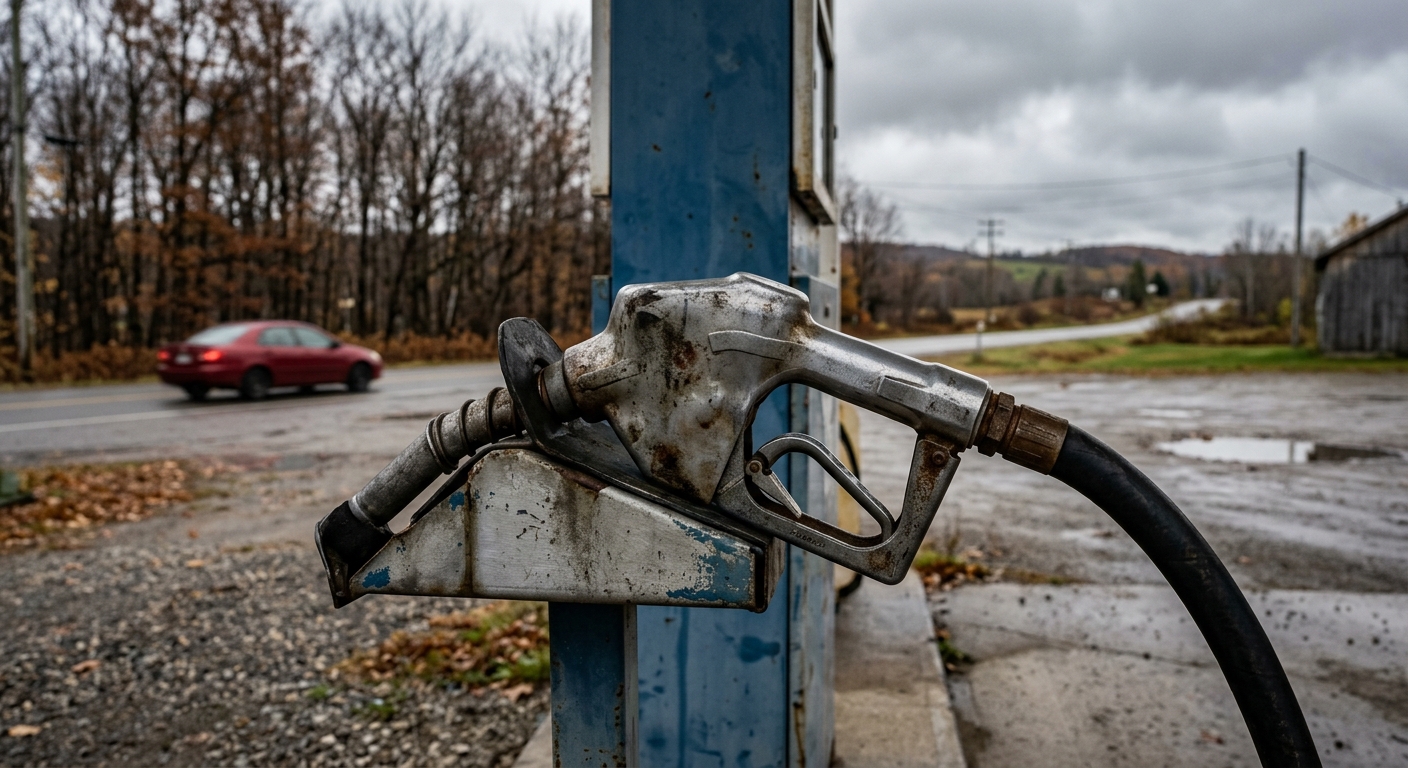
AI-generated illustration; not a photograph of the reported event.
- calendar_today October 19, 2026
StatCan Reports Gas Prices Push Inflation to 3.1% in September
The annual pace of inflation in Canada rose to 3.1% in September 2026, driven in large part by a sharp increase in gas prices, according to data released by Statistics Canada on Monday.
Gasoline Prices Lead the Acceleration in Consumer Price Index
The latest StatCan consumer price index report revealed that gasoline prices jumped 27.8% last month compared to September of the previous year. This rise occurred despite the seasonal transition to the less expensive winter gas blend.
Fuel oil and other fuels also saw a significant increase, with costs rising 57.8% year-over-year. StatCan highlighted the particular impact on Atlantic Canada, where heating oil is commonly used in homes.
Excluding Gasoline, Inflation Rate Rises at a Slower Pace
When gasoline is excluded from the calculation, consumer prices increased 2.2% year-over-year in September. This demonstrates the prominent role that energy costs, especially gasoline and fuel oil, played in the overall inflation rate for the month.
Global Factors Contribute to Rising Gas Prices
StatCan attributed the spike in gas prices in part to the ongoing war in the Middle East. The conflict has contributed to volatility in global energy markets, which in turn has affected Canadian gasoline prices.
Impact on Atlantic Canada and National Households
The surge in fuel oil costs was noted as being particularly challenging for households in Atlantic Canada, where oil is a primary heating source. Nationally, the increase in gasoline and other energy costs has contributed to higher expenses for Canadian households, though price growth for other goods and services was more moderate.
Conclusion: Energy Costs Remain a Key Factor in Canadian Inflation
The September StatCan report underscores the substantial influence of gas and fuel oil prices on the Canadian inflation rate. While energy costs surged, broader consumer price increases were less pronounced. Economic observers will be monitoring global trends and domestic fuel markets closely in the months ahead.
Source: globalnews.ca.