
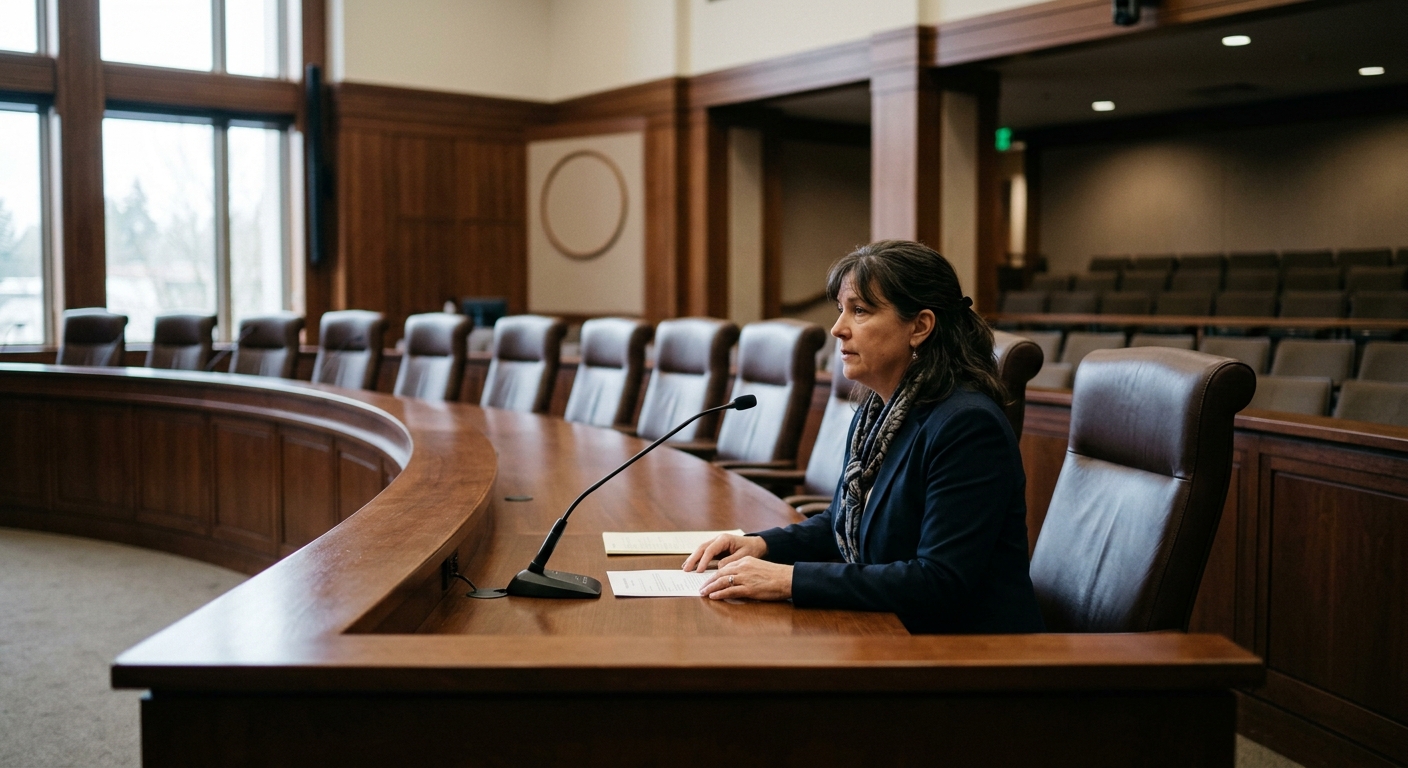
AI-generated illustration; not a photograph of the reported event.
- calendar_today September 25, 2026
Canada National 1 — In a rapidly evolving chapter for Canadian politics, centrebc leader Elenore Sturko finds herself at the crossroads of change, leading the CentreBC party amid unprecedented challenges and scrutiny. As British Columbia prepares for its anticipated early election, the fate of CentreBC, headed solely by Sturko, has become a focal point for observers across the region.
A Tumultuous Start for CentreBC
Formed just last year, the centrebc party quickly emerged from the political margins, capturing eight seats in the provincial legislature and positioning itself as a promising force in british columbia politics. However, internal dynamics shifted dramatically when seven out of eight members decided to depart and rejoin the bc conservatives just days after their historic alignment. Sturko, the only member who chose to remain, now stands as the sole legislative representative for CentreBC.
Elenore Sturko’s Unwavering Commitment
Elenore Sturko—who previously served as an RCMP officer—has experienced a remarkable political journey since entering elected office. Overwhelmed by emotion but steadfast in principle, Sturko made the conscious decision to lead CentreBC forward rather than return to former alliances. In recalling the events, fellow members cited an offer from then-leader Peter Milobar of the BC Conservatives as the catalyst for their sudden departure. Yet even as her colleagues reversed course, Sturko reinforced her belief in centrist alternatives for voters who feel unrepresented by the current establishment.
The Challenge of Political Leadership
Sturko’s transition into political leadership during such turbulence has required resilience and a renewed vision. She emphasizes the core purpose of CentreBC: providing a home for people frustrated by existing polarized options, including those previously aligned with both the bcliberals and other major parties. Her focus remains on rebuilding solidarity, restoring public trust, and forging connections with community groups throughout Canada National 1.
Implications for the Upcoming Early Election 2026
With the province preparing for its early election in 2026, the viability of the CentreBC party is under close watch. Political analysts in Canada National 1 are questioning whether Sturko and her newly reconfigured team can rally voter support in a political environment increasingly shaped by high-profile defections and ideological realignments. The early election 2026 is seen as a key test of whether an independent centrist voice can still resonate with the electorate, particularly as both the BC Conservatives and former BC Liberals aim to consolidate their bases.
Navigating Centrist Politics in a Polarized Era
The future of centrist politics in the region may well depend on CentreBC’s ability to present itself as a credible alternative. Sturko maintains that the party’s ethos—accommodating voters from across the spectrum seeking pragmatic representation—remains unshaken. As the political narrative continues to shift, regional stakeholders, local organizations, and civic groups are watching closely to see if new forms of coalition and consensus-building can emerge ahead of the next ballot.
Community and Institutional Impact
The developments within CentreBC have sparked wide-ranging conversations throughout Canada National 1’s communities and within political institutions. Observers note that Sturko’s journey exemplifies the complexities facing emerging parties and underscores the growing desire for alternatives in provincial and national dialogue. Whether this sentiment translates into electoral success remains to be seen as the early election draws near.
Looking Ahead: Can CentreBC Rebound?
As CentreBC recalibrates under Sturko’s solo leadership, questions linger about resources, outreach, and overall momentum. The coming months offer an opportunity for Sturko to articulate a renewed vision and regain the confidence of voters, especially those feeling alienated from existing parties. Regardless of the outcome, the turbulence surrounding the centrebc leader and her party marks a critical juncture in British Columbia politics and Canada National 1’s broader search for centrist alternatives.