- calendar_today August 24, 2025
In 2025, cotton has subtly emerged as a major issue in international trade negotiations—and Canada is watching. With global cotton production declining due to shifting climates and increased expenses, Canadian businesses that rely on cotton-based products are now starting to feel the pinch. From apparel producers to retailers and importers, the trickle-down effect of fewer cotton supplies is now an emerging issue.
Meanwhile, Canada’s future trade relations—particularly through schemes such as the Generalized System of Preferences (GSP+)—hang in the balance. These two concerns are urging companies and policymakers to keep close watch on risks and prepare for potential disruptions.
Why Cotton Matters to Canada
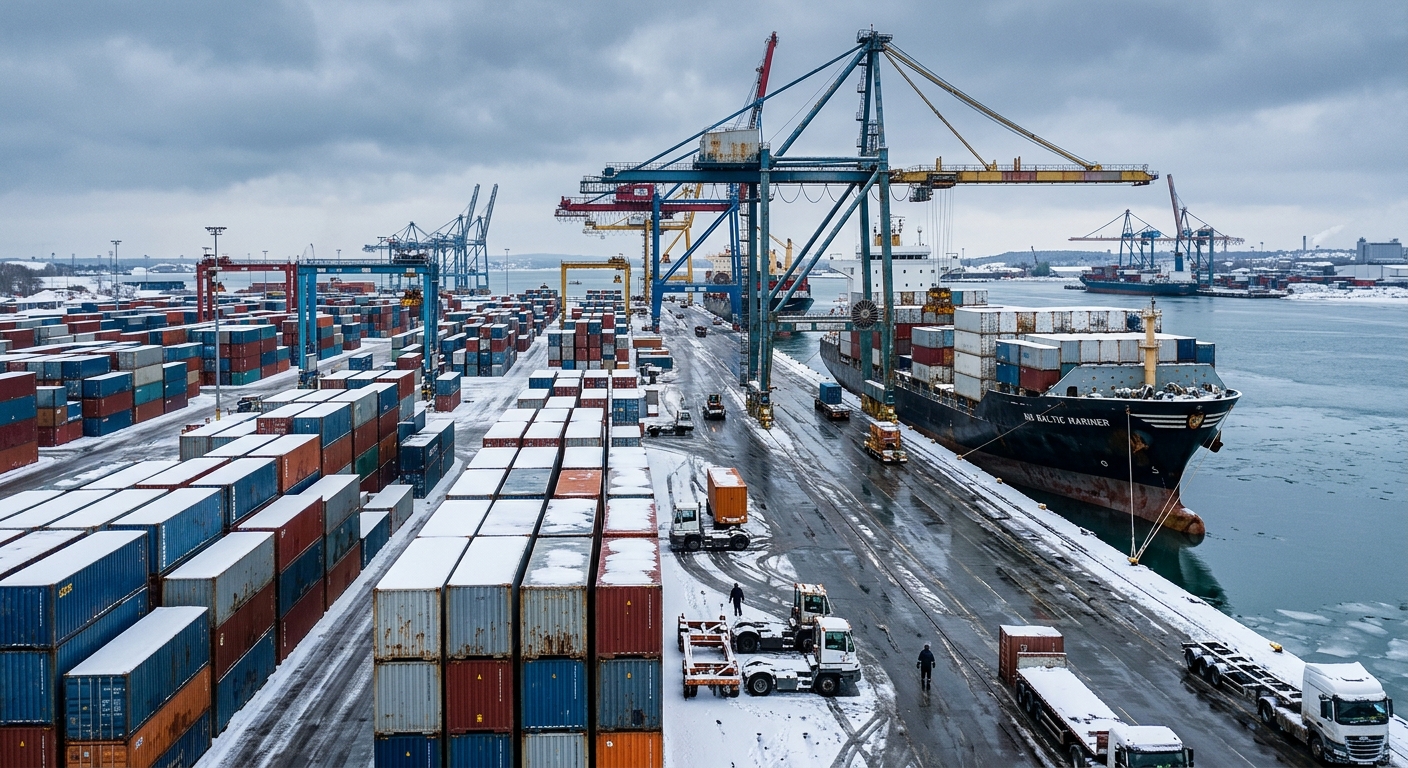
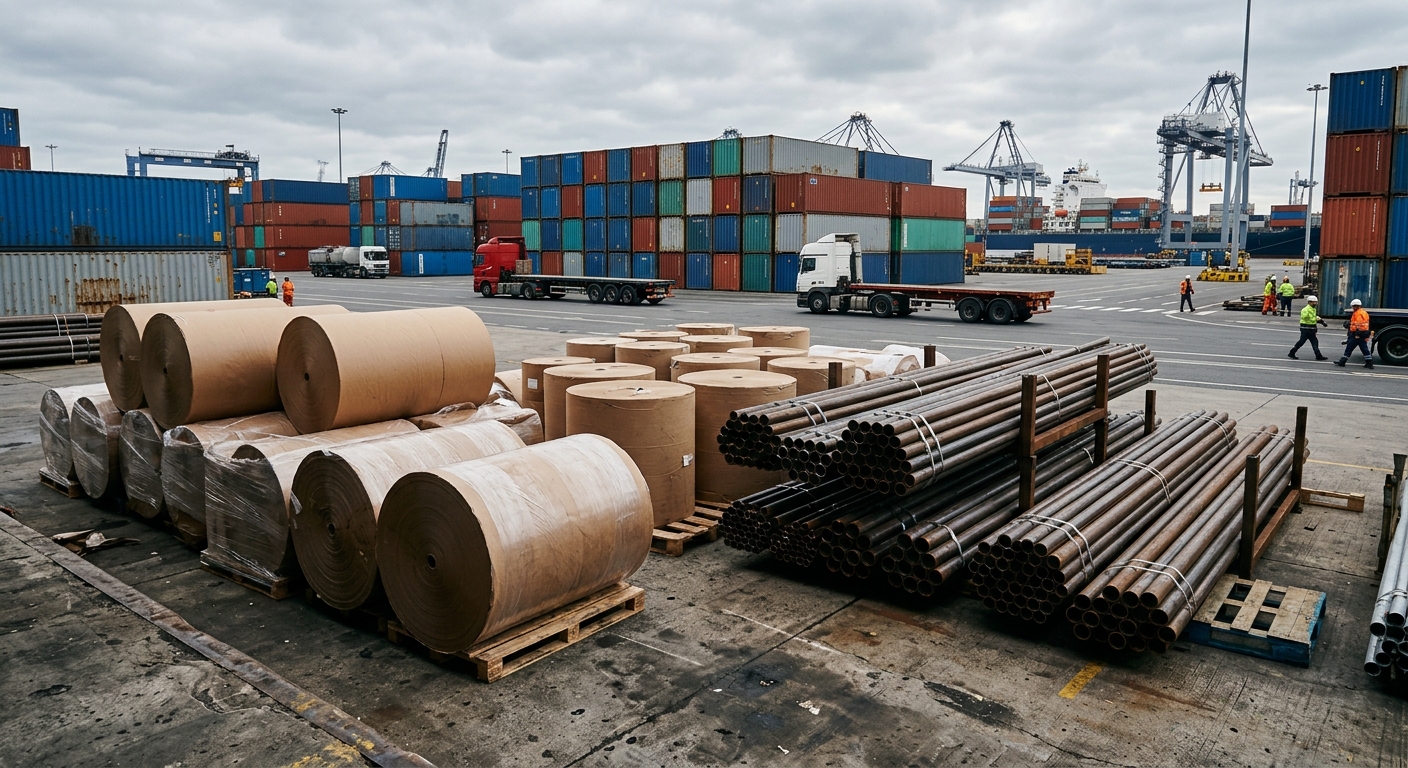
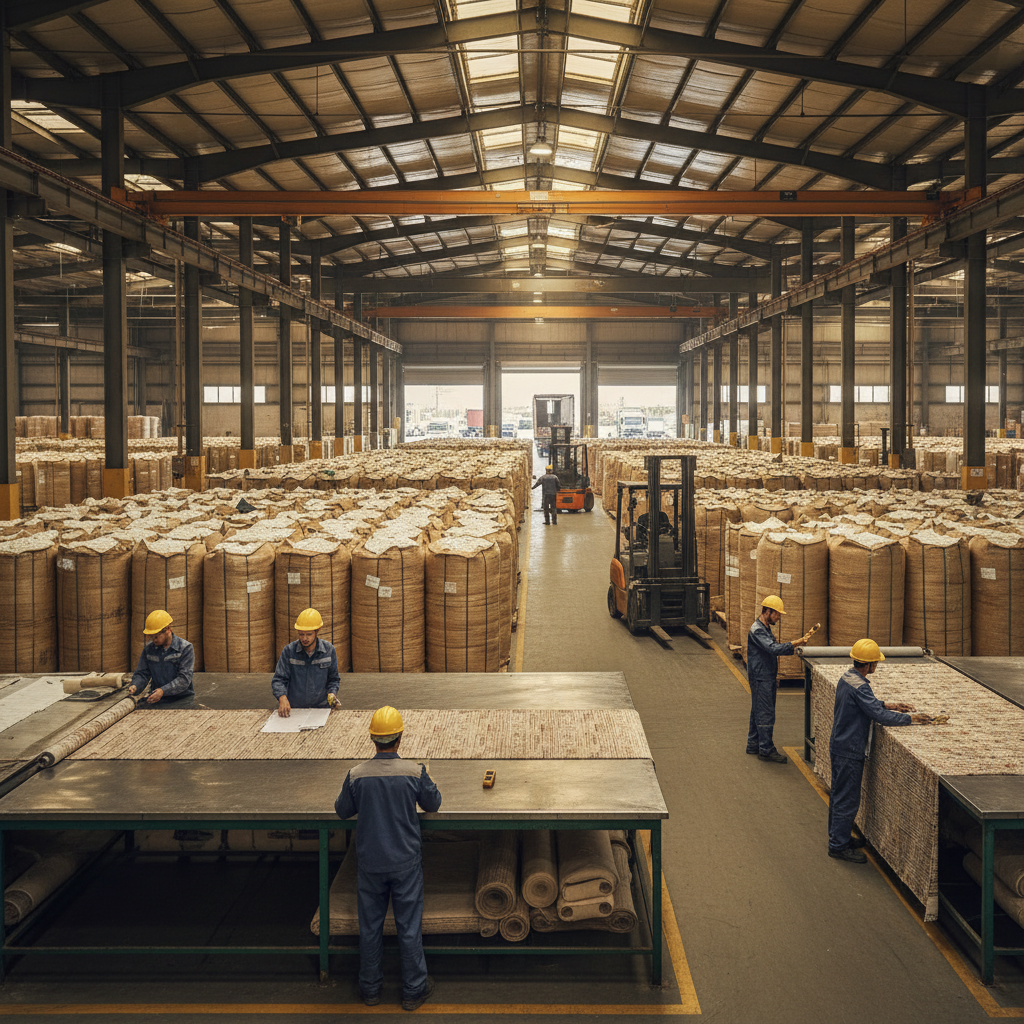
Even though Canada itself does not grow cotton locally because of the cold weather, it is a large importer of cotton goods. Goods such as clothing, bedding sheets, towels, and even hospital supplies tend to depend on imported Asian, African, and American cotton materials.
Canadian companies import bulk amounts of such products under trade deals which enable reduced tariffs. If cotton prices increase or the world’s supply decreases, it makes Canadian importers, and consequently consumers, pay more.
Retailers are already noticing the change. “Cotton basics like shirts and socks are getting more expensive from our suppliers,” says Janet Moore, a retail buyer in Toronto. “And we’re seeing delays too—orders that used to take three weeks are now taking six.”
Global Cotton Decline in 2025
Cotton farming has suffered this year globally. Major producing nations such as India, Pakistan, and even some regions of the United States have experienced harsh weather in the form of heatwaves and droughts. These extreme weather conditions have reduced crop yields, increased the cost of production, and have also interfered with supply chains.
Consequently, raw cotton costs have increased, and prices for finished goods have too. For nations such as Canada, which depend solely on imported cotton, this is a serious economic issue.
It’s not the lack of raw material alone; it’s the snowball effect,” says Harpreet Singh, who runs a garment importing business in Vancouver. “If factories overseas can’t access cotton, we can’t receive our products on time—and even if we do, we end up paying a great deal more.”
GSP+ Trade Program Contributes to Uncertainty
In addition to the cotton deficit, Canadian companies are also observing the world discussion regarding GSP+—a trade scheme which enables developing countries to sell products tariff-free to other nations like the U.S. and Canada, as long as they satisfy specific requirements.
Some of the leading nations that export cotton clothing to Canada are encouraged by this initiative. However, in 2025, a number of these nations stand to lose their GSP+ status because of issues related to labor rights, environmental methods, and good governance. If these countries lose preferential trade, the price of importing cotton goods into Canada would shoot up.
“Losing duty-free access would hit us hard,” says Amira Desai, an apparel distributor in Montreal. “We’d either have to raise our prices or find new suppliers, which takes time and money.”
Retail, Fashion, and Manufacturing Feel the Heat
The fashion industry, already under pressure to keep up with sustainability and fast-changing trends, now faces rising material costs. Smaller fashion brands and Canadian manufacturers, in particular, are vulnerable.
“Each year, we budget our product lines on specific costs. If cotton prices skyrocket, it can destroy our budget,” states Louis Tremblay, Quebec clothing designer. “We could be forced to use blends or other materials, which may not be what customers want.”
Retailers, particularly those that deal in plain cotton items, are also compelled to reconsider pricing and supply. It is particularly the case in large Canadian cities where demand for cheaper clothes continues unabated.
The Search for Alternatives Starts
Due to uncertainty, some Canadian companies are beginning to look for alternatives. Bamboo textiles, organic combinations, and recycled fibers are becoming popular, both for their cost benefits and for being environmentally friendly.
“We’ve started mixing recycled cotton with synthetic fibers,” says Stephanie Chan, owner of a Toronto-based sustainable fashion label. “It’s not perfect, but it’s helping us manage rising costs.”
Others are looking to diversify suppliers or shorten their supply chains by partnering with closer, more reliable markets.
Government and Industry Responses
As companies are changing, government trade officials are monitoring the developments closely as well. Trade analysts point out that Canada should also re-examine its dependence on a handful of textile-exporting nations.
“There’s a chance here to deepen trade relations with those countries that have stable supply and decent working conditions,” opines Paul Whitaker, a trade analyst based in Ottawa. “We could also consider encouraging more local textile innovation.”
Certain trade associations are requesting assistance from the federal government in the form of trade relief or incentives to companies transitioning toward alternative materials.
Conclusion: A Cautious Path Forward
For Canada, the issue of cotton supply is more than a textiles concern—it’s an indicator that the international trading environment is changing. With cotton farming under pressure and trade policies in transition, both government and private segments need to collaborate if they are to remain ahead of the disruptions.
Canadian companies are already getting to work. Whether it’s retooling their materials, revisiting their suppliers, or advocating for trade clarity, the message is the same: now is the time to act.
Though the path forward is unclear, Canada’s commitment to innovation, equitable trade, and forward thinking could carry the nation through the cotton crisis—and into a strengthened place in the global marketplace.