
- calendar_today April 22, 2026
Beyond the Hype: The Real Value of Home Depot’s Pricing Strategy
Uncovering the truth about Home Depot’s competitive pricing can feel like navigating a labyrinth. You’ve probably seen the ads, heard the claims, and perhaps even wondered how they stack up compared to local hardware stores or big-box competitors. This article dives deep into Home Depot’s pricing strategy, exploring both the blatant and subtle factors that contribute to its reputation. By the end, you’ll have a clearer understanding of whether Home Depot’s prices genuinely offer value.
Understanding Home Depot’s Pricing Philosophy
Home Depot emphasizes a customer-centric pricing philosophy, intending to make home improvement accessible and affordable. Unlike competitors that might focus on bulk pricing or boutique experiences, Home Depot’s strategy is built on a foundation of everyday low prices. This model aims to simplify shopping experiences, allowing you to find what you need without diving into complicated promotions.
Everyday Low Pricing vs. Sales Promotions
To understand Home Depot’s approach, it’s essential to distinguish between ‘Everyday Low Pricing’ (EDLP) and traditional sales promotions. EDLP offers consistent prices without waiting for discounts. For instance, if you’re remodeling your kitchen, the words “50% off this week only!” from a competitor might draw you in, but it’s the certainty of low, stable prices at Home Depot that can save you from the hassle of hunting for deals. Often, this means lower prices on staples like lumber and drywall, making it easier for DIY enthusiasts and professionals alike.
The Relationship Between Price and Product Quality
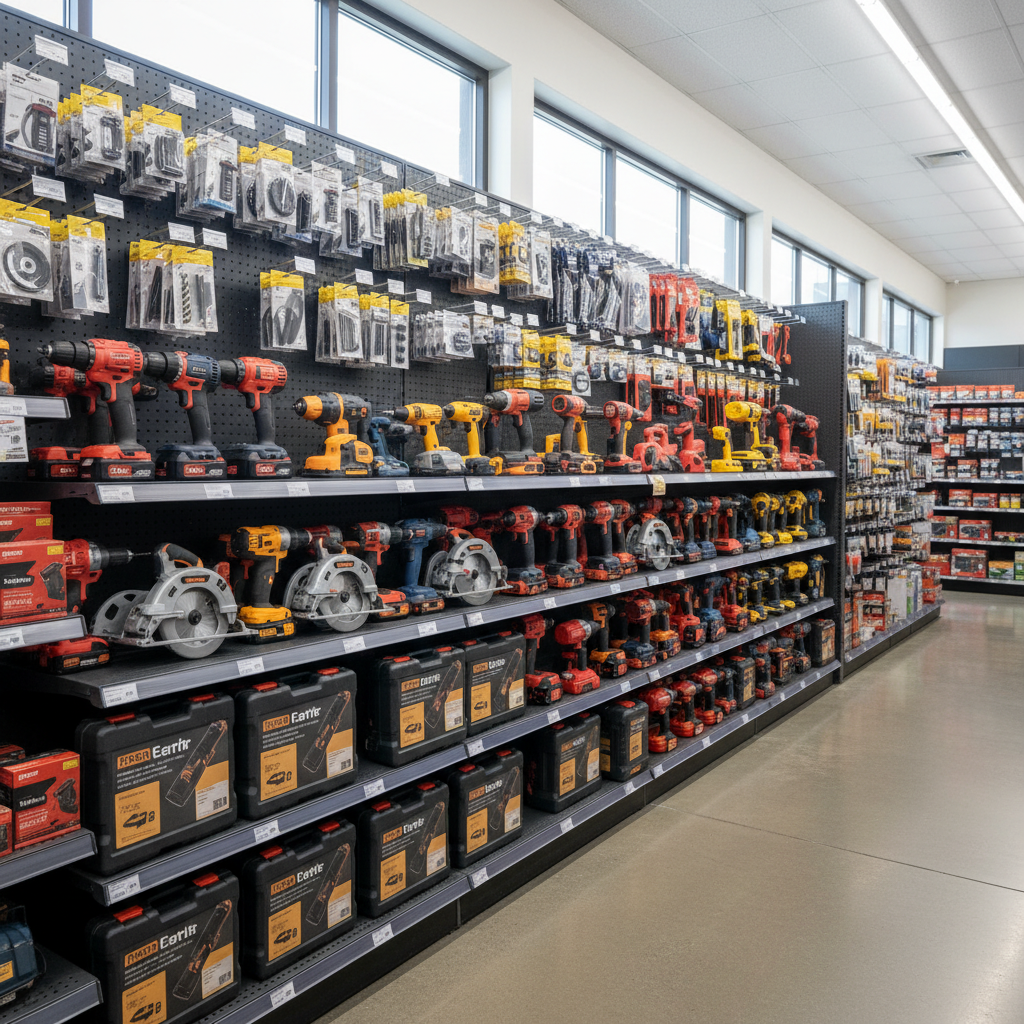
Nothing frustrates you more than discovering that low prices often come with compromised quality. Home Depot mitigates this risk through a carefully curated selection of products. Sure, they have lower-priced items, but they also feature premium brands that meet professional standards. For example, if you’re looking for power tools, you’ll find both affordable entry-level options and high-end brands like DeWalt or Bosch. This duality ensures that regardless of your budget, you have access to quality products.
Competitor Analysis: How Does Home Depot Stack Up?
Every market has its players, and in the DIY home improvement realm, Home Depot’s significant competitors include Lowe’s, Menards, and Ace Hardware. Examining how they compare offers insight into the integrity of Home Depot’s pricing strategies.
Price Comparisons with Major Competitors
When you directly compare prices, you’ll often find Home Depot is competitive with its major opponents. The price for a standard sheet of plywood might be within a few cents of Lowe’s, which is a reassurance that you’re getting a fair deal. Yet, the nuances come in promotions and loyalty rewards. Home Depot offers seasonal sales that might appeal to you more than Lowe’s smaller discounts. Each store has varying strategies on how to market pricing, but the bottom line is that Home Depot usually matches or beats specific prices when it comes to staple items.
The Role of Customer Reviews and Brand Perception
Another essential layer to this discussion is customer perception. Reviews can offer unparalleled insight into product value. While price is a critical factor, the quality of service and your shopping experience also play a crucial role in how you perceive value. For instance, if you’re purchasing a tool that’s known to break easily, a low price becomes moot. Home Depot invests significantly in their customer service, ensuring knowledgeable staff are available to help you make informed decisions.
Additional Factors Influencing Home Depot’s Pricing
Pricing doesn’t happen in a vacuum. Market dynamics, operational efficiencies, and supplier relationships all contribute to how Home Depot sets its prices.
Supply Chain Efficiency
Home Depot has spent billions refining its supply chain for better pricing. A more efficient supply chain means lower overhead costs, allowing them to pass savings directly onto you. They often utilize advanced data analytics to predict inventory needs, reducing the chances of overstocking or shortages. When the shelves are filled correctly, you’re likely to find the items you need at consistent prices, reflecting well on their pricing strategy.
Member Programs and Discounts
Home Depot also offers a range of memberships and loyalty rewards, encouraging repeat customers to benefit from additional discounts. If you’re a professional contractor, their Pro Xtra loyalty program provides bulk pricing on materials, thus fostering customer loyalty while ensuring you gain the best possible prices. This can be a game changer when you’re planning larger projects and need reliable material at competitive pricing.
Customer Testimonials: Real Experiences Matter
No strategy is complete without hearing the voice of the customer. Home Depot has garnered a strong base of loyal shoppers who swear by the savings and quality they experience.
Positive Experiences Highlighting Value
Customer testimonials abound for Home Depot, particularly regarding their pricing fairness. Many customers report surprising deals on seasonal items just as they’re needed, like garden supplies in the spring. A DIYer might recall a time when a simple visit turned into a haul of discounted fencing material, effectively making a significant saving on what would have cost significantly more elsewhere.
Constructive Feedback and Areas of Improvement
Of course, no store is perfect. Customer feedback occasionally leans toward complaints about service or inventory availability. If you’re eager to start a project but find an essential item out of stock, it can be frustrating. However, many customers agree that the store makes continuous efforts to improve in these areas. A responsive team helps to ensure the pricing philosophy doesn’t just depend on costs but also on the overall experience.
Conclusion: Is Home Depot’s Pricing Strategy Worth It?
After navigating through the intricate web of pricing strategies, customer reviews, and competitor comparisons, you’re better equipped to evaluate Home Depot’s pricing model. While no single factor defines value, the combination of everyday low prices, quality options, and strong customer service makes a compelling case. You can often find peace of mind knowing you’re getting both competitive prices and capable assistance. Next time you’re considering where to shop for home improvements, reflect on what factors matter most to you; after all, informational choices lead to informed shopping. Will you give Home Depot your business based on these insights?