- calendar_today August 26, 2025
After months of speculation and beta testing Google has officially launched Android 16’s rollout. The rollout of Android 16 begins today for Pixel devices and should reach other Android smartphones in upcoming weeks or more likely months. Pixel users will receive the OTA update soon but technical users can manually download system images from Google’s developer site to flash them.
Users anticipating a major system overhaul should prepare for less dramatic changes with this release. The release of Android 16 lacks dramatic visual updates and major features at this time. The intriguing parts of this version are mostly subtle details or features planned for release later in 2025.
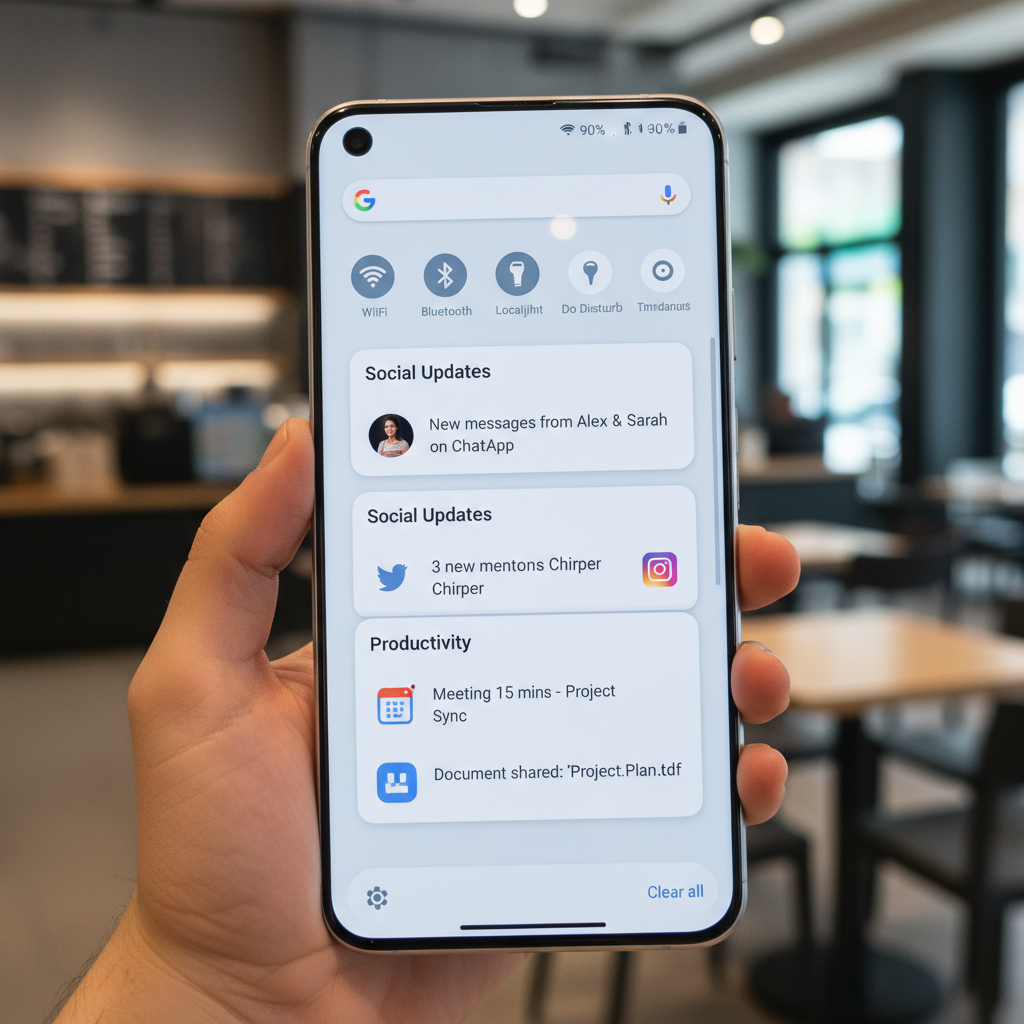
The latest release contains several beneficial improvements. A revised notification experience stands out as one of the main changes users will notice. Android requires all apps to use the notification bundling feature system-wide which originated in Nougat. Applications must now combine multiple notifications into a single expandable notification card instead of sending each as standalone alerts. This slight modification contributes to streamlining the notification shade by reducing clutter.
The rideshare and delivery apps are the first to feature new live update notifications. A small status bar icon indicates these notifications which open into a pop-up with real-time progress tracking when users tap it. According to Google they are working together with Samsung and OnePlus to integrate this feature into Samsung’s Now Bar as well as OnePlus’ Live Alerts.
Android 16 delivers enhanced security capabilities through system-wide Advanced Protection. The feature formerly connected to user accounts has become an integrated part of the operating system. When active this feature blocks connection to old 2G networks and stops insecure websites from being accessed while disabling USB device system communications. Mobile security experts will appreciate this enhancement.
Android 16 introduces a creative update specially designed for Pixel device users. Users can develop custom emojis within the Emoji Kitchen feature of Pixel Studio app. The tool utilizes generative AI technology to combine existing emoji elements into distinct combinations which enables users to express themselves through new and quirky styles.
Developers have a wide range of tools to utilize when working behind the scenes. Applications that target Android 16 (API level 36) will now scale automatically to larger displays such as tablets and foldables with improved grace. The new functionality matches Google’s ongoing drive to enhance how users interact with large-screen devices which has been a main focus for the company recently. Developers can now utilize support for new camera features which encompass motion photo capture along with hybrid auto-exposure and night mode detection. Compatible applications now have the ability to capture HDR content through screenshots.
Users can expect both battery longevity and performance enhancements. Google has restored tighter controls on background processes which helps to improve system efficiency but risks breaking some older applications.
The launch of Android 16 brings with it a new Pixel Drop from Google which introduces exclusive features designed specifically for Pixel devices. The addition of Pixel VIPs expands the favorite contacts system to offer advanced features. A dedicated widget provides VIP contacts with instant access to messages from Messages and WhatsApp along with birthday reminders and shared locations and personal details. Important contacts can circumvent Do Not Disturb settings so their messages will always be delivered.
Additional Pixel Drop features encompass improved hearing aid compatibility, real-time search functionality in the Magnifier app, and Expressive Captions which have been launched internationally in the UK, Australia, and Canada. Pixel users have access to these new additions without needing a system update.
Despite Android 16 launching officially most desired features continue to be in development. The Material 3 Expressive design system introduced by Google last month does not appear in this launch version. Google has announced that it will release this feature later this year and is encouraging developers to start getting their apps ready right away.
Desktop mode continues to move from rumor to reality as development progresses. Google and Samsung will introduce a desktop-style interface for tablets and phones that connects to external displays. The Pixel 9 Pro Fold foldable device does not support on-device windowing unlike tablets. Users will require a connection to an external display to operate desktop features. Phone manufacturers will determine feature support because Google phones will offer it while others may lack compatibility.
The launch of this software update represents a key change for Google’s timetable of Android releases. The fall launch of previous Android versions has been replaced by Android 16’s debut in late spring following Google’s updated release schedule. Google expects to release a minor update featuring new APIs and features towards the end of this year.
Android 16 will not immediately impress users yet it establishes a solid groundwork. The platform will advance towards a more adaptable desktop-compatible and secure environment once its outstanding features become available.