- calendar_today August 28, 2025
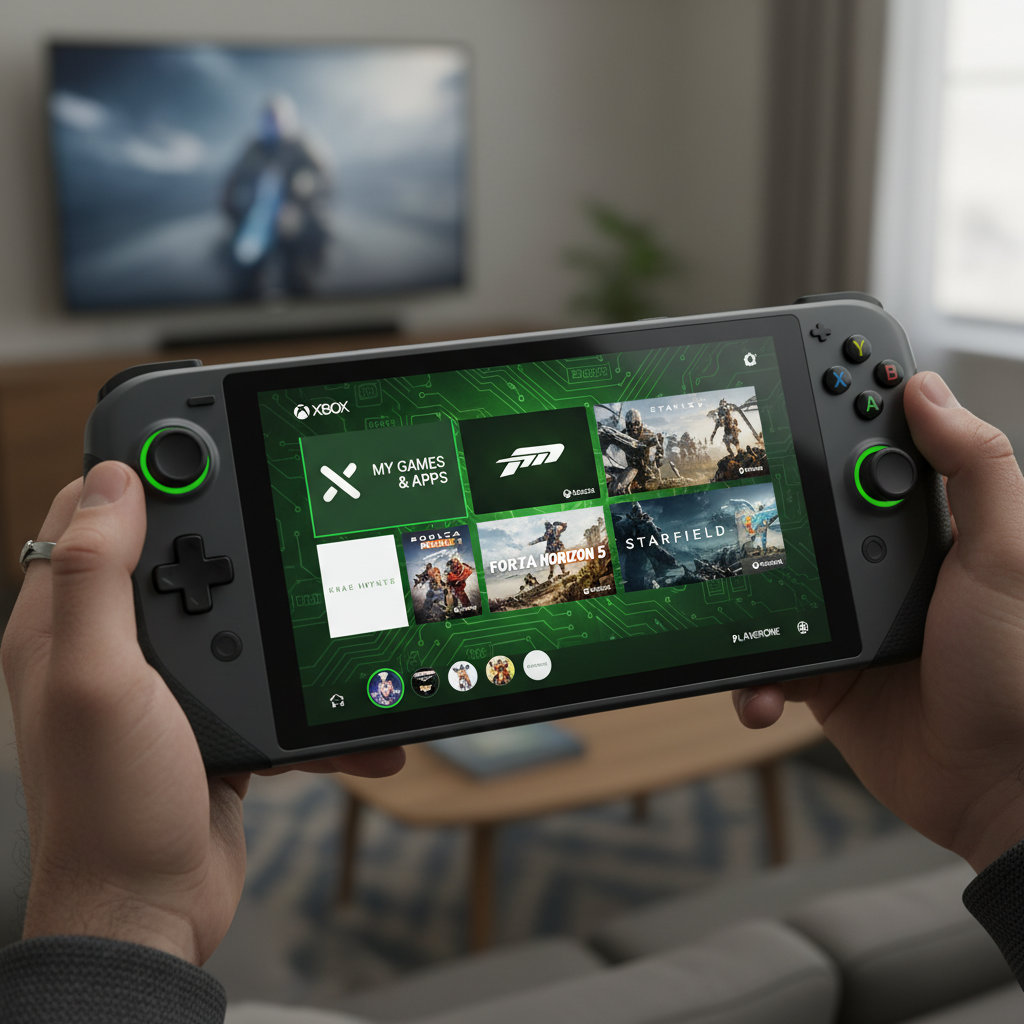
Microsoft is launching a new Xbox-branded user interface that targets handheld Windows devices as they advance into the portable gaming space. The Xbox-branded user interface created alongside Asus will be initially available on the ROG Xbox Ally. This new user interface breaks away from the traditional Windows desktop design by implementing a tile-based full-screen interface specifically designed for touchscreen controls and gamepad navigation to replicate the experience of a console.
The handheld gaming market until now has mostly been defined by the Steam Deck from Valve which runs on SteamOS based on Linux. SteamOS does not run Windows games natively but allows many to run through Proton which has become a highly effective compatibility layer over time. Despite its impressive capabilities this system remains a partial replacement for Windows because some users may encounter compatibility issues. Its dedication to gaming performance and efficient operation has led to widespread acceptance.
Microsoft aims to combine the adaptable nature of Windows with the gaming console’s straightforward user experience in their new Xbox UI design. Users will be able to access the extensive Windows game library through a more suitable format for portable devices. Microsoft has stated that the new UI will make its debut on the ROG Xbox Ally before being released to other ROG Ally models. The expansion will reach more Windows handheld devices beginning in the year 2025.
Microsoft has not confirmed any connection between this interface and its 2022 internal “Windows Handheld Mode” concept but clear similarities exist between the two. The project introduced at an internal hackathon intended to address Windows handheld shortcomings including inadequate touch support and restricted controller functionality by launching a streamlined interface suitable for gaming.
The new Xbox UI delivers significant performance enhancements alongside a more user-friendly look and feel. Microsoft reports that the replacement of the traditional Windows desktop leads to reduced RAM usage by a few gigabytes and lowered energy consumption. Handheld gaming devices benefit from enhanced performance and extended battery life thanks to these energy-efficient savings. Formerly, the standard ROG Ally devices operated with complete Windows systems and required Asus Armoury Crate software which increased system overhead. The Xbox UI now closes the performance gap while avoiding extra system load.
The new UI design will not prevent users from accessing the familiar Windows desktop environment. Users can access the traditional interface through manual launch even when the new system is in use. The hybrid approach enables users to seamlessly transition between a gaming-focused UI and the complete Windows desktop environment as needed.
At the same time Valve further solidifies its market stance as it develops SteamOS and Proton. Proton has developed advanced compatibility features which now support numerous Windows games and extend usage to non-Steam Deck hardware such as specific ROG Ally models. Linux has achieved a 4% share of the global desktop market thanks to SteamOS advancements which marked a significant achievement for an operating system previously seen as peripheral in mainstream gaming.
Microsoft’s slow reaction to these industry changes comes from its current focus on advancing AI and security measures. Handheld gaming remained a negligible threat to Windows PC dominance for many years. The Steam Deck’s achievements combined with SteamOS’s advancement have reshaped the perception of handheld gaming as a threat to Windows PC dominance. Now, Microsoft is finally responding.
Key takeaways from Microsoft’s move include:
- Microsoft will introduce a new Xbox UI on the ROG Xbox Ally which will extend to additional devices beginning in 2025.
- The full-screen tile-based system designed for gaming replaces the traditional Windows desktop interface.
- Microsoft states that their new UI design leads to RAM savings and lower energy consumption while enhancing system performance.
- Users can still access the traditional desktop UI which allows them to maintain complete control of their device experience.
Microsoft’s Xbox UI success as an industry game-changer or a simple catch-up move will hinge on its adoption rate and performance relative to SteamOS. But one thing is clear: Microsoft is finally taking handheld gaming seriously.