
- calendar_today August 23, 2025
Canadian Economists Assess Potential Impacts on Trade, Inflation, and Investment
Introduction
Canada and America have one of the world’s tightest economic relationships. So when the American government makes a $6.8 trillion plan to borrow money, it isn’t strictly about Americans—it has actual implications for Canadians as well.
As America accelerates government spending, Canadian economists are considering the possible effects on cross-border commerce, interest rates, inflation, and business investment. While some regions in Canada can be helped by higher American demand, spillover from increased U.S. borrowing may also place fiscal strain and uncertainty.
Let’s take a closer look at how Canada is reacting to this significant economic news.
Why Canada Is Paying Attention
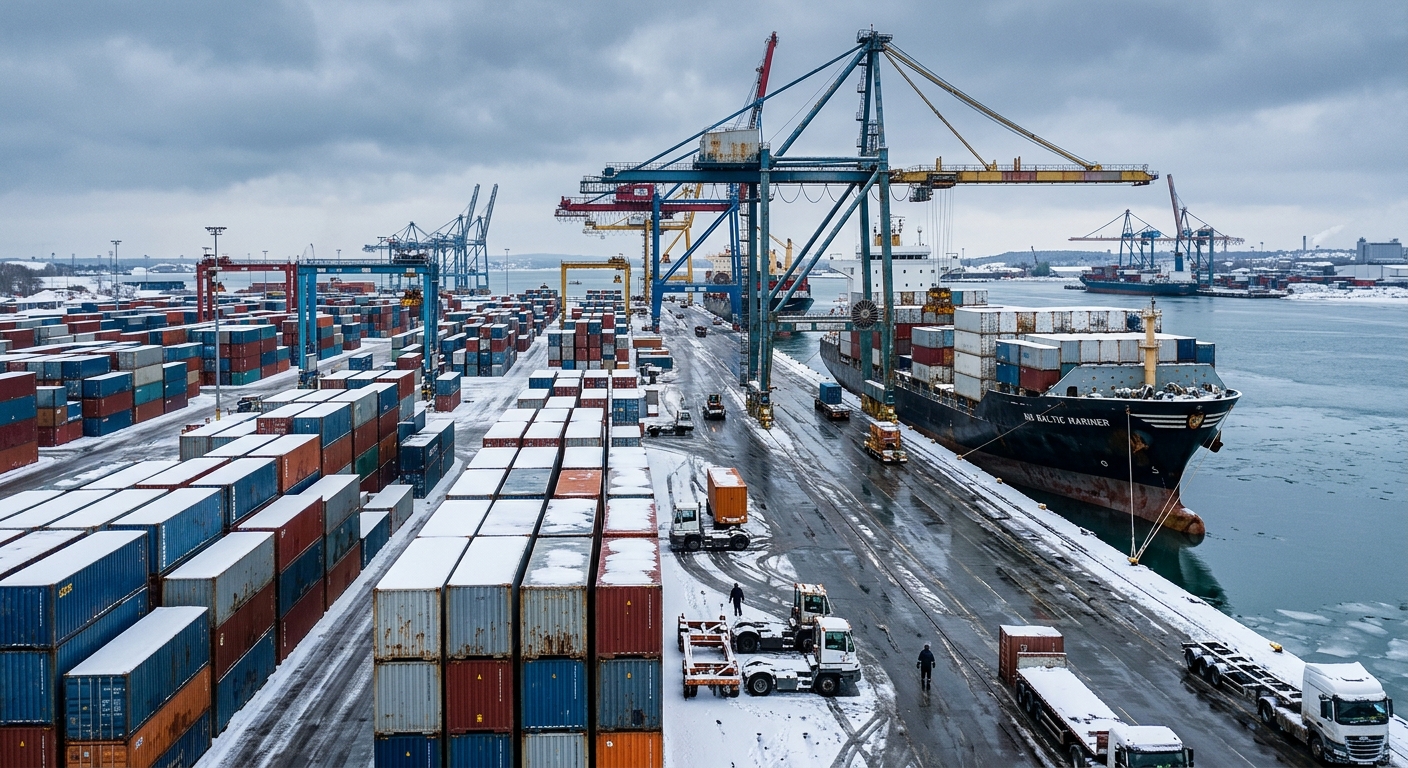
The U.S. is Canada’s biggest trading partner and takes about 75% of Canadian exports. That is to say this: what happens in the U.S. economy—expansion or recession—can have a direct impact on Canadian jobs, industries, and investments.
Policymakers and economists in Canada are most concerned about three big issues: trade and exports, interest rates, and currency and inflation.
1. Trade and Export Opportunities—and Risks
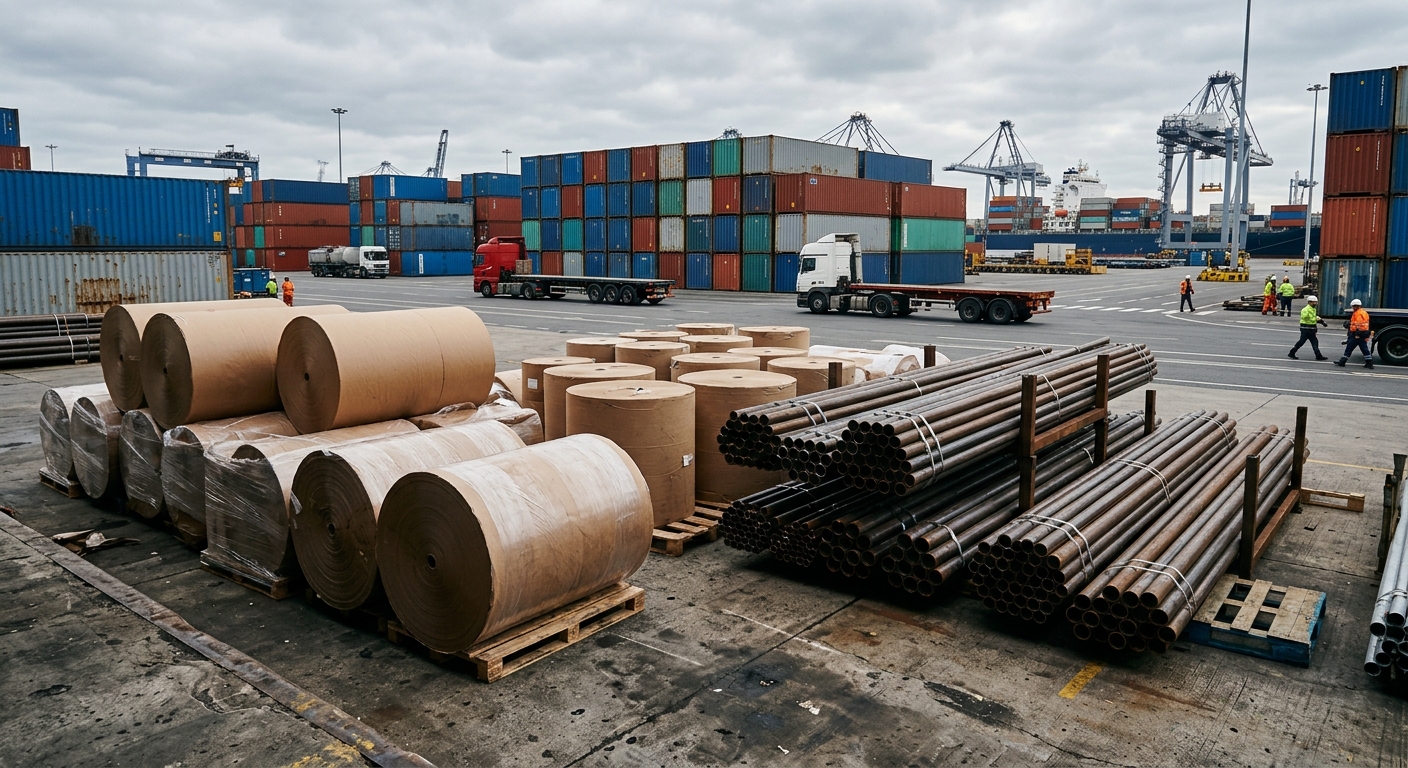
Further U.S. spending would fuel demand for Canadian goods such as:
- Alberta oil and gas
- Motor vehicles and components from Ontario
- Prairie provinces’ grain and livestock
- British Columbia and Quebec timber and minerals
This might be excellent news for Canadian exports.
But if the U.S. is grappling with accelerating inflation or even higher-priced interest rates, that added demand may not be sustainable. If American economic growth falters, Canadian export industries will be hurt by lower orders and smaller margins.
2. The Interest Rate Link
When U.S. federal debt drives interest rates higher to combat inflation, Canada might feel compelled to do so even if it doesn’t desire this outcome. The Bank of Canada typically follows changes in U.S. rates in order not to allow wild divergence between the two nations’ currencies and financial systems.
Increased interest rates in Canada can mean:
- Increased mortgages, hitting already red-hot housing markets
- More-expensive business loans, which would make it more difficult for companies to expand or invest
- Slower consumption by consumers, particularly of high-ticket items such as homes and vehicles
Such fiscal discipline has the potential to create a ripple effect throughout the economy, influencing everything from home building to retailers.
3. Currency and Inflation Pressures
Should concerns over U.S. debt undermine the value of the U.S. currency, the Canadian dollar could appreciate.
- A stronger loonie would benefit Canadian consumers by enabling them to purchase overseas products cheaply, but it increases the price of Canadian exports, which is detrimental to foreign competitiveness.
- Concurrently, U.S. inflation can spill over to Canada, particularly if it increases the price of imported commodities such as foodstuffs, electronics, and fuel.
In order to remain ahead of possible economic change, several Canadian companies are already making some changes.
Diversification of Trade Partners
Firms are diversifying out of the U.S. market through increased operations in Europe, Asia, and Latin America. New free trade deals such as CETA (with Europe) and CPTPP (with Pacific countries) are opening up for Canadian firms outside the country.
Adjusting to Higher Borrowing Rates
Firms are adjusting by:
- Securing long-term loans today in anticipation of interest rates going even higher
- Cutting back on credit dependency and focusing on cash flow
- Applying for government grants for research, innovation, and green initiatives
These actions help keep businesses afloat even when the economic scenario worsens.
Emphasis on Home-Based Investment
Canada is investing in home-based sectors that can weather the storms irrespective of what is taking place in the U.S., such as:
- Clean energy initiatives, such as wind, solar, and hydrogen
- High-end production to position Canada on its own
- Tech and AI start-ups for innovation and global competitiveness
They are attracting foreign investors and can offer sustainable economic security.
Looking Ahead: Canada’s Strategy
Though the U.S. $6.8 trillion borrowing strategy is a risk, Canada is being careful and diversified. Policymakers are finding middle ground between caution and vision, ensuring that the country is well positioned to adapt to changing global economies.
By ensuring diversification of trade, household investment, and careful financial planning, Canada stands to ride out economic uncertainty and keep growing.
Conclusion
Canada’s strong economic alliance with the U.S. ensures radical policy changes such as a $6.8 trillion borrowing strategy can’t be ignored. While short-term trade gains are possible, long-term implications such as rising interest rates, inflation, and foreign exchange fluctuations are subject to intense planning.
Fortunately, Canadian policymakers, firms, and economists are already pushing back with suggestions to evolve. Equipped with a balanced and progressive strategy, Canada is poised to face whatever emerges from the aggressive economic actions of its American neighbor.