- calendar_today August 21, 2025
.
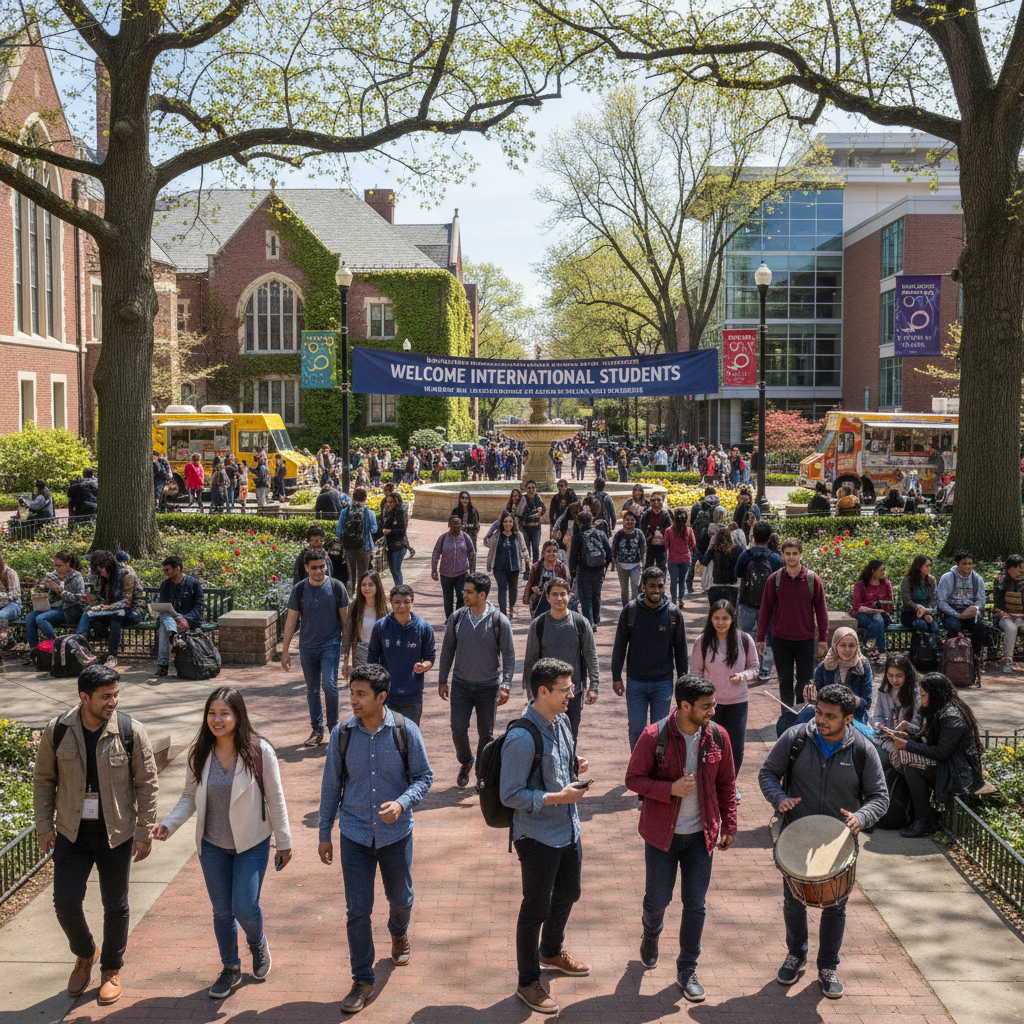
WASHINGTON, D.C.—President Donald Trump said Monday the United States will permit 600,000 Chinese students to enroll at American colleges, despite a months-long tariff war with Beijing.
Trump’s comments, made from the White House, came as a bit of a surprise, with his administration having only recently escalated its rhetorical campaign against China, which now covers everything from the rare earth elements market to international student visas.
“I hear so many stories that we’re not going to allow their students,” Trump said to reporters. “We’re going to allow their students to come in. It’s very important, 600,000 students. It’s very important. But we’re going to get along with China.”
Trump has ratcheted up his rhetoric against China, the world’s leading exporter of magnets, in recent days, vowing to impose a 200 percent tariff on the class of goods, over which China has something of a monopoly. “It will probably take us a year to have them,” he added.
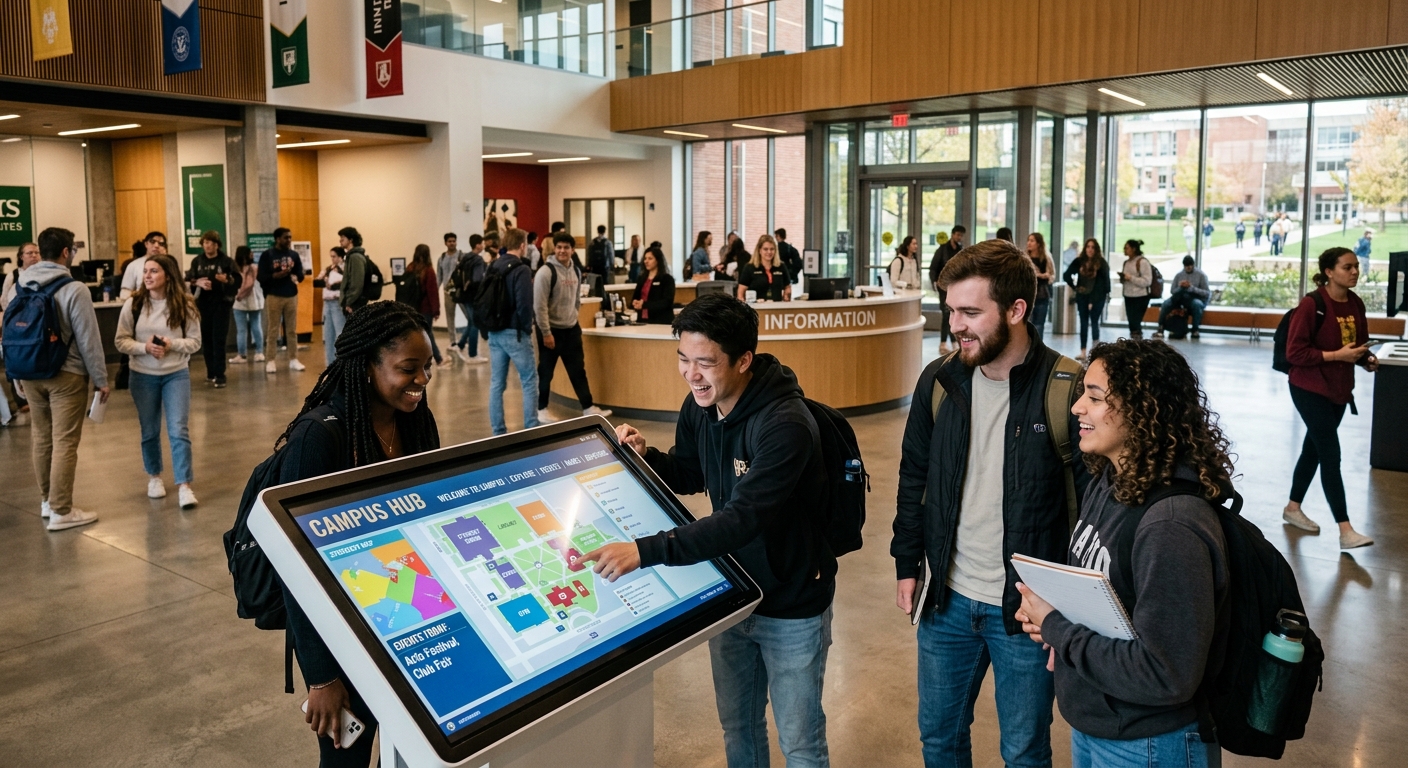
Approximately 270,000 students from China are studying in the United States as of July. Trump’s figure of 600,000 would more than double that, in a likely boon to universities, many of which were hard hit by pandemic-era travel restrictions and could benefit from an influx of Chinese students paying full tuition.
Trump seemed to walk back comments from Secretary of State Marco Rubio in May that the United States would “aggressively revoke” visas from students believed to be working for the Chinese Communist Party, or engaged in research areas. At the time, university leaders were aghast at what they saw as a threat to international collaboration.
Trump himself appeared to pivot from his administration’s more hardline stance in June, telling reporters he had “always been in favor” of allowing students in. Monday’s comments marked a further extension of that message.
The student visa pledge comes as the United States and China are locked in a trade standoff that has so far only grown more antagonistic. In the spring, the Trump administration imposed a 145 percent tariff on all Chinese goods, leading China to place a retaliatory 125 percent levy on all American exports to the People’s Republic.
Negotiators in Geneva, meanwhile, have struck a pause in further escalations, with an agreement in May to refrain from further tariff increases. But Trump has mentioned new levies at various points over the summer, and last week raised the prospect of slapping a 200 percent tariff on magnets.
His move was an acknowledgement of how dependent America has become on the rare earth metals, which China can mine cheaply, and is likely to set off a race to develop independent domestic production.
Trump made the comments ahead of a meeting with South Korean President Lee Jae Myung and was asked whether he would be willing to meet with Chinese President Xi Jinping. “I would like to meet him this year,” he said. “As you know, we’re taking a lot of money in from China because of the tariffs and the different things. It’s a very important relationship.”
“It’s a much better relationship economically than it was before with Biden. But he allowed that. They just took him to the cleaners.”
The university move would also be, for universities, a shot in the arm, with international students, and Chinese students in particular, spending billions of dollars in the United States each year. American colleges have had trouble keeping enrollment numbers up in the wake of the COVID pandemic, and are likely to welcome the new announcement.“I hear so many stories that we’re not going to allow their students,” Trump said to reporters. “We’re going to allow their students to come in. It’s very important, 600,000 students. It’s very important. But we’re going to get along with China.”