
- calendar_today August 12, 2025
Canada’s economy, closely tied to the United States, is adapting to the ripple effect of the trade policies of former President Donald Trump. Tariffs on strategic sectors to renegotiated trade deals, companies throughout Canada are confronted with new challenges and opportunities. While policymakers and industry experts weigh the long-term effects, sectors like manufacturing, agriculture, and retail are making strategic moves to weather the shifting landscape.
Manufacturing Faces Supply Chain Disruptions
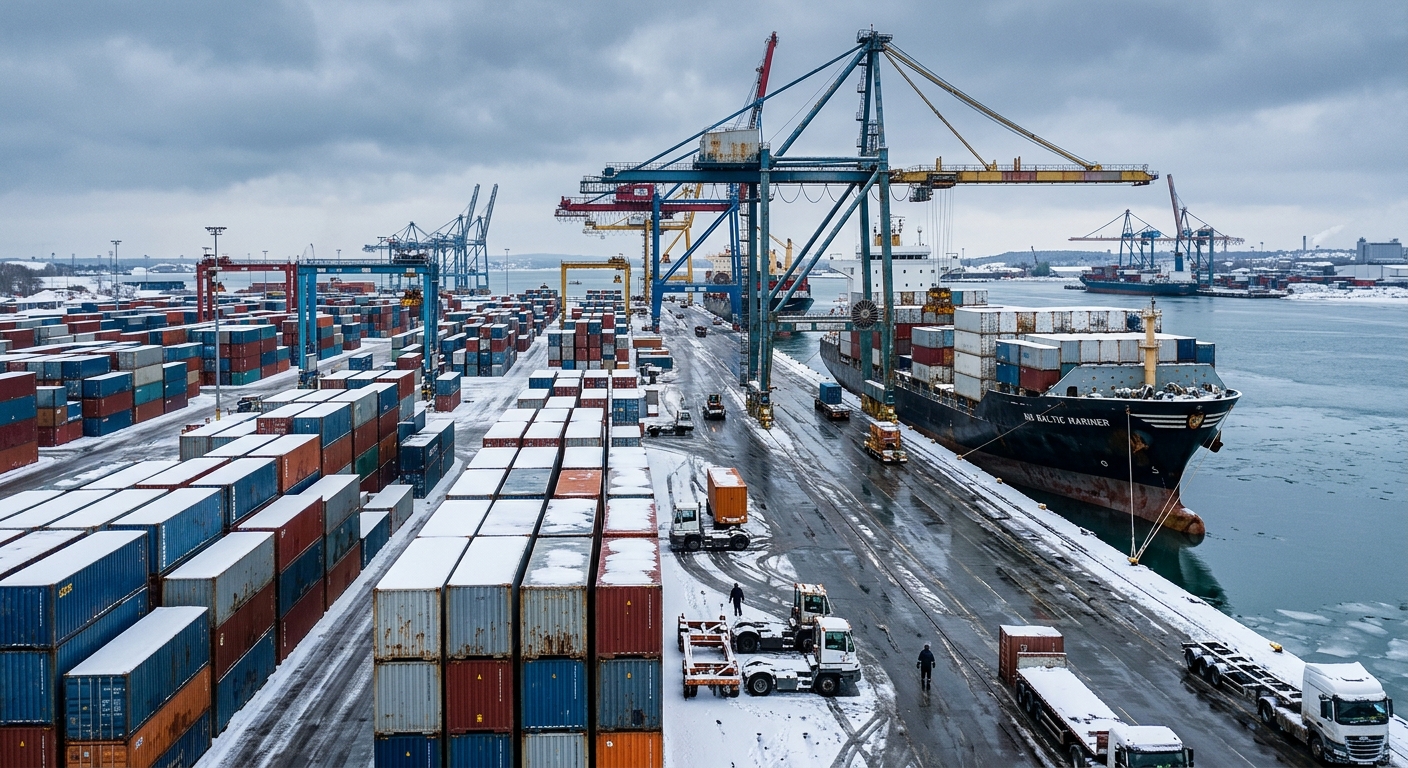
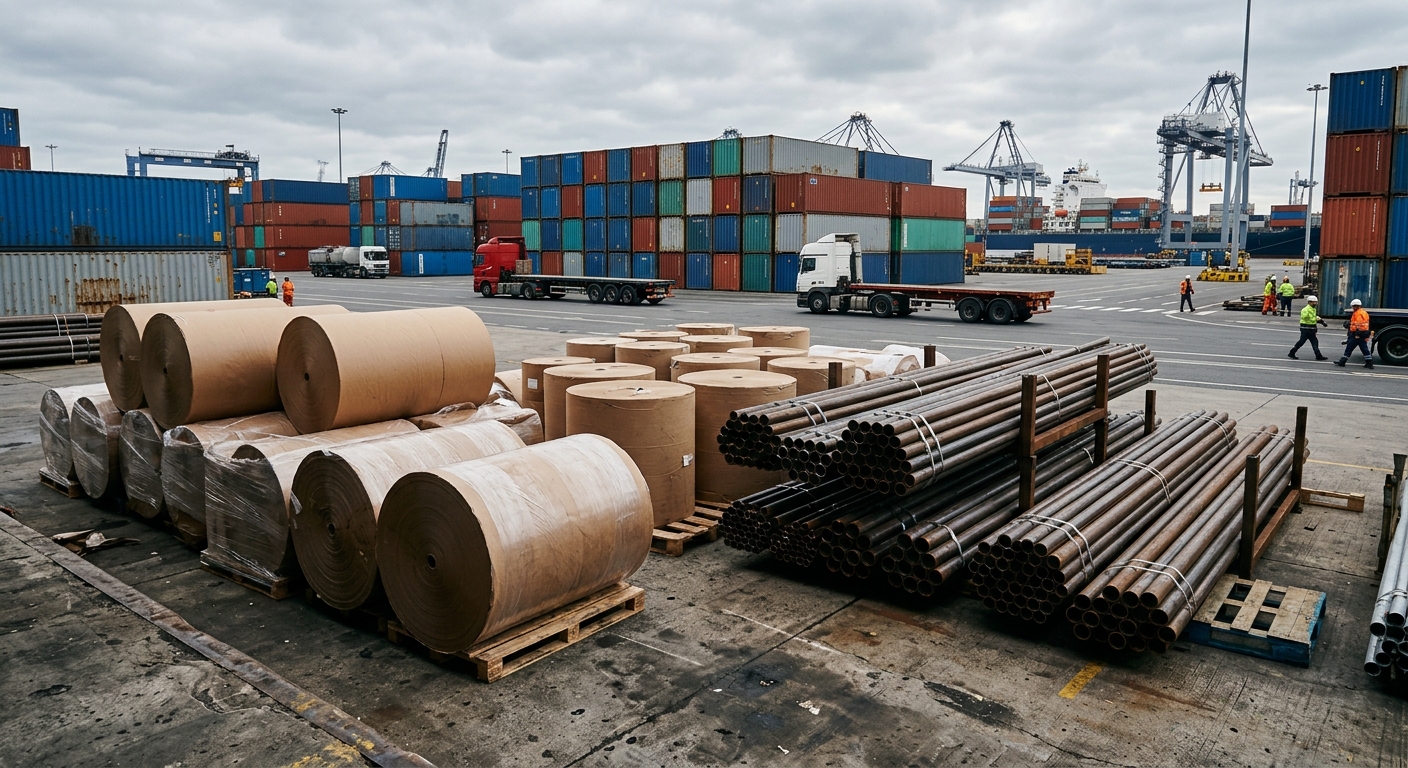
Canada’s manufacturing industry, especially those that depend on U.S. imports and exports, faced price hikes and supply chain disruptions. Trump’s steel and aluminum tariffs caused Canadian manufacturers to incur higher production costs, compelling some businesses to reprice or find new suppliers.
Automakers, a pillar of the Canadian economy, have not been spared either. Rising raw materials costs and the volatility of trade agreements have been a test for firms that derive their revenues in Ontario and Quebec where auto manufacturing makes huge employment figures. While some had been able to adjust by hedging diversified trade lanes, others still survived in an atmosphere of financial stress.
Agriculture Adapt to Evolving Trade Agreements
Canada’s agricultural industry, in the sense of dairy farmers, wheat growers, and beef farmers, has been struggling to keep up with the evolving trade landscape. The reforms in USMCA changed market forces to affect the Canadian farmer’s export plan.
Dairy farmers, to name a few, have been compelled to adjust to increased access for US dairy goods into the Canadian market. This led to a realignment of prices and long-term survival issues for small-scale operations. There are some agricultural commodities, however, that have gained from trade diversifications, such as the exports of grains, wherein Canadian farmers shifted to new markets beyond North America.
Retail and Consumer Price Adjustments
To Canadian consumers, Trump’s trade policy has made ordinary commodities more expensive. Tariffs on materials and goods that have been imported have resulted in retail price increases in industries as companies passed along additional costs to consumers. Electronics, clothing, and home commodities all experienced changes in pricing, influencing consumer purchasing behaviors.
Merchants, particularly those reliant on American suppliers, have had to accommodate by reshuffling deals, looking for substitute sources, or shifting some of the expense in a bid to remain competitive. Economic uncertainty still impacts consumer confidence and makes spending habits more precarious.
Energy and Natural Resources are Buoyant
Canada’s natural resources industry has held firm despite the ebbs and flows of U.S. trade policy. Oil, gas, and mining industries have experienced consistent demand, although shifting regulations and debates over environmental policy have affected cross-border energy relationships.
Industry executives, following Canada’s huge export of oil to the U.S., have emphasized keeping trade relations healthy and seeking diversification channels overseas. This is one of the key long-term consequences for the policies being pursued by the U.S. for oil and gas firms in making choices.
Business and Policy Outlook
Efforts to strengthen trade outside of North America have grown with Canadian business and policymakers reacting to the economic change spurred by Trump’s policies. Trade agreements with the European Union and Asia-Pacific nations are gaining more attention as Canada attempts to reduce dependence on U.S. trade practices.
Industry leaders continue to call for well-balanced trade deals that serve Canadian companies without compromising competitive access to the American market. With continued economic forces and future policy changes in the U.S., Canada continues to seek long-term stability in its economic and trade policy.
Conclusion
Trump’s trade policies have posed challenge and opportunity to the Canadian economy. Certain sectors like manufacturing and agriculture have been affected by tariffs and renegotiated trade deals, while others have adapted through market diversification and planning.
As Canada stays abreast of changing trade trends, companies with policymakers follow by actively changing economic streams. Canadian-American trade will rely on changing economic negotiations, policy reforms, and the adaptability of Canadian industries to change economic streams.