- calendar_today August 11, 2025
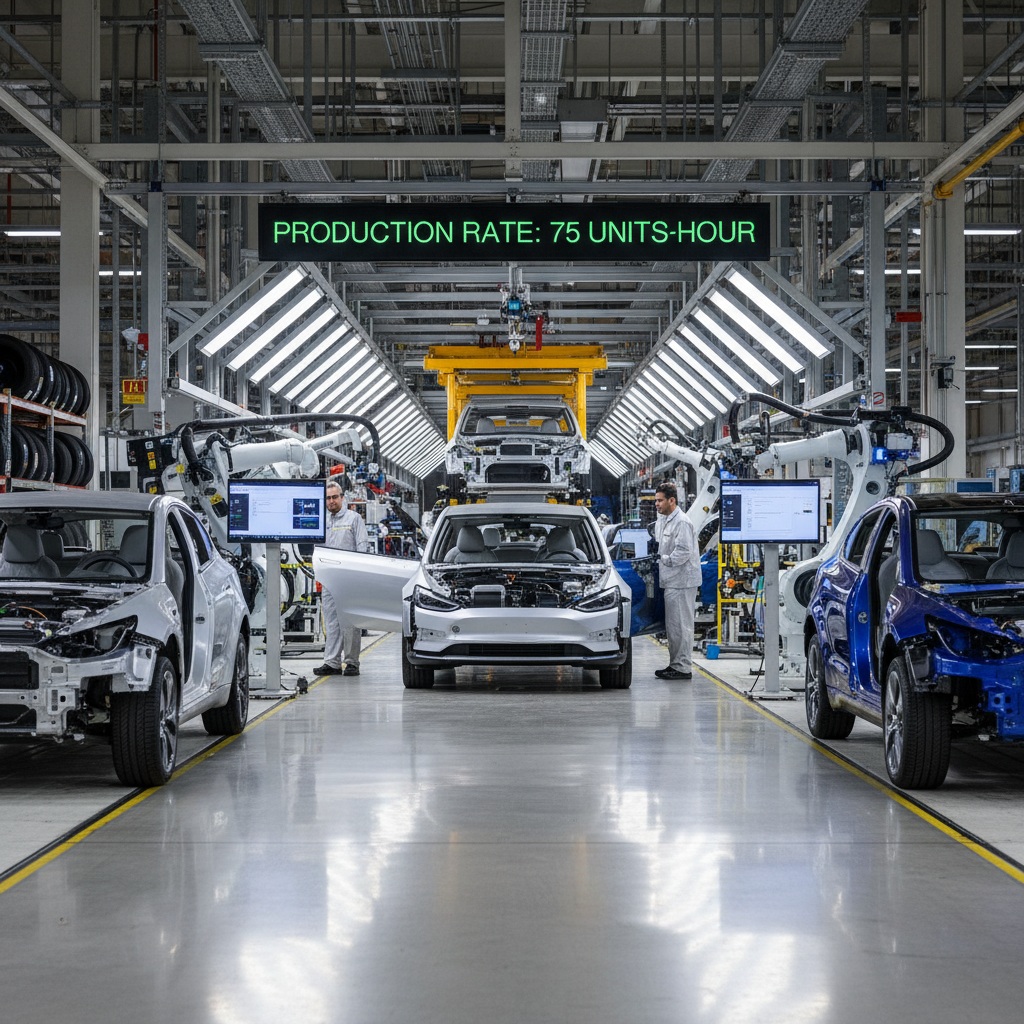
Tesla’s first-quarter 2025 production and delivery data analysis unveiled major obstacles for the electric vehicle leader. Production data indicated a substantial decline, with the output reaching 362,615 units, which represents a 16.3% reduction from the same timeframe in 2024. The delivery metrics supported this downward trend as they amounted to 336,681 vehicles, which marked a 12.9% drop from the previous year. Tesla struggles to synchronize its manufacturing output with unpredictable market demand while dealing with multiple external challenges.
The decline of production numbers stems from multiple intertwined factors. The trend emerges from an intricate combination of market forces, shifting consumer preferences, and Elon Musk’s growing political involvement. Tesla’s recent efforts to boost Model Y sales with the vehicle refresh have produced disappointing outcomes that challenge the effectiveness of their marketing tactics.
Detailed Analysis of Model Performance
Detailed analysis of Tesla’s individual model performance shows subtle trends. Tesla’s two principal revenue generators, the Model 3 and Model Y, produced 345,454 units but experienced a 16.2% decline in production. These models saw a decrease of 12.4% in deliveries, which resulted in 323,800 units being shipped. The unsuccessful outcome of the Model Y refresh, which aimed to boost sales, represents a major concern for Tesla. The sales trend may reflect changing consumer interests or heightened competitive pressures.
The premium category, which includes the Model S, Model X, and the recently released Cybertruck, encountered greater difficulties. The premium segment saw an 18.3% drop in production, which resulted in 17,161 units, and experienced a 24.3% decline in deliveries, down to 12,881 units. The Cybertruck’s performance stands out due to multiple recalls and design/performance criticisms, leading to a decrease in consumer interest.
Tesla’s energy storage division experienced modest growth by deploying 10.4 GWh for the quarter. Despite its growth, Tesla’s energy storage division generates a small portion of total revenue compared to automotive sales, which represent the majority at 77% of 2024 revenue.
Broader Market and Financial Implications
Tesla faces mounting consumer protests across Europe, which are ignited by Elon Musk’s political involvement beyond their standard production and delivery metrics. Vandalism incidents and protests at Tesla retail locations throughout the U.S. highlight the growing divide between Tesla and parts of its customer base.
Actual delivery numbers falling short of analyst projections have created significant financial uncertainty. The market analysts’ forecast of delivery numbers between 360,000 and 370,000 units prompted investor worries about Tesla’s financial health when actual results fell short. The company’s decreasing profit margins become more concerning when considering the Q4 2024 margin reached only 6.2%.
Tesla’s stock managed to demonstrate resilience by bouncing back from its initial drop after the report was made public. A significant decrease in Tesla’s share price might cause a margin call for Musk and increase the pressure on Tesla’s management team.
Tesla’s financial health will get a more thorough evaluation from its Q1 2025 earnings report, which will be released on April 22nd. Stakeholders will carefully watch how Tesla plans to face these challenges while sustaining its leading position in the fast-changing electric vehicle market.