- calendar_today August 10, 2025
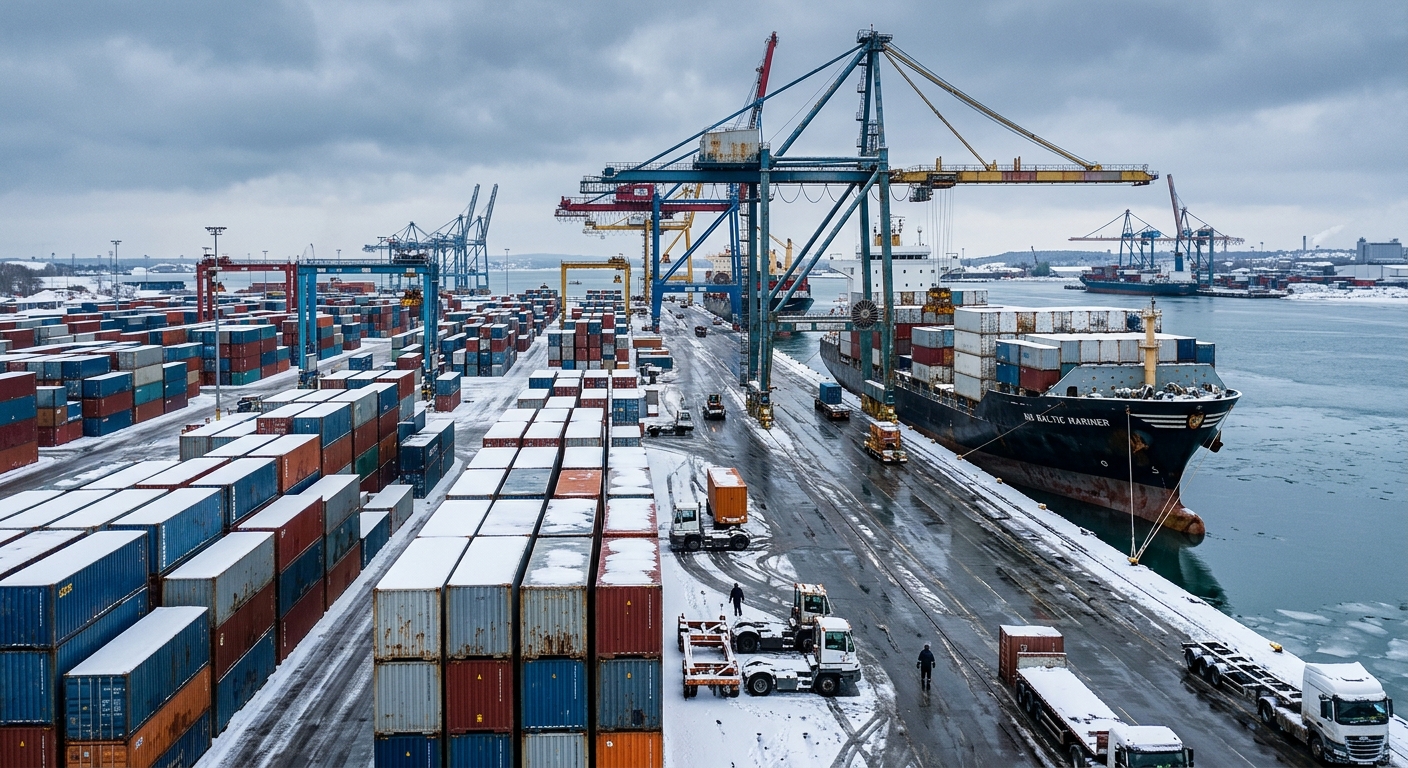
Canada, a trade-dependent nation with deep ties to both China and the United States, finds itself in a challenging position as new 2025 tariffs reshape the global economy. While the U.S. has slapped a 104% tariff on Chinese goods and 25% on foreign-made vehicles, China has retaliated with a 34% duty on American exports, raising ripple effects that don’t stop at the U.S. border.
As Canada attempts to balance diplomacy with economic pragmatism, investors, exporters, and business leaders are bracing for shifts that could redefine strategies across multiple industries.
Canada’s Global Trade Vulnerability
Canada exports more than 75% of its goods to the U.S., and imports billions in raw materials and finished products from China and other global players. The country is not directly imposing tariffs at the scale of its southern neighbor, but the knock-on effects are already being felt.
According to Statistics Canada, Chinese imports make up over 10% of Canada’s total, while auto manufacturing and agricultural exports rely on complex, tariff-sensitive supply chains.
“Canada isn’t in a trade war—but we’re in the crossfire,” said a trade policy analyst in Ottawa.
Key Canadian Sectors Affected
1. Automotive Manufacturing
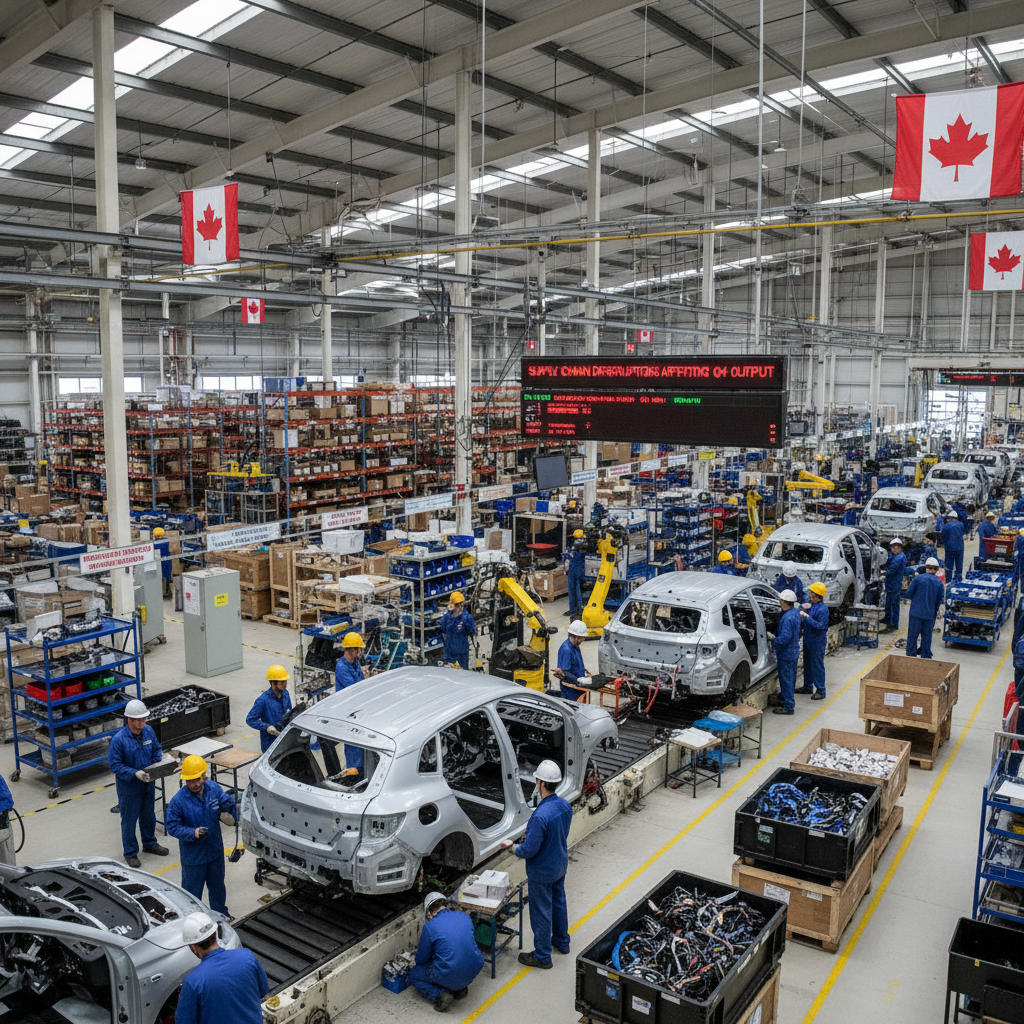
Canada’s auto sector—concentrated in Ontario—relies on a tightly integrated North American supply chain. With the U.S. now enforcing a 25% tariff on foreign-made vehicles, Canadian carmakers using Chinese parts or exporting partially assembled vehicles face uncertainty.
“We’re seeing delayed orders and rising costs,” reported a Windsor-based parts supplier. “Clients are waiting to see how this shakes out.”
Moreover, tariffs on battery components and electronics could slow down Canada’s EV production momentum.
2. Agriculture and Agri-Food Exports
Canadian wheat, canola, pork, and beef have long been major exports to Asia. China’s retaliatory tariffs, though aimed at the U.S., have caused trade route congestion and depressed demand across the board. Farmers in Saskatchewan and Alberta are seeing prices fall.
“We’re collateral damage,” said a Saskatchewan grain exporter. “Even if we’re not the target, we’re in the blast zone.”
Processors and packers also face higher costs for imported equipment and packaging materials.
3. Energy and Resource Exports
Canada’s energy sector—particularly LNG and crude oil—faces both opportunities and threats. While tariffs raise global fossil fuel prices, creating short-term gains, the cost of imported drilling equipment and steel has climbed, slowing expansion projects in Alberta and B.C.
In March 2025, crude prices jumped to $92/barrel—up 14% from January—partly due to disrupted global supply chains (Bloomberg).
Canadian Investor Sentiment: Defensive with a Shift to Domestic Plays
Toronto Stock Exchange (TSX) volatility has increased, with investors pulling back from high-risk export stocks and looking at local infrastructure, real estate investment trusts (REITs), and utility shares.
“There’s a clear move toward Canadian-focused sectors,” said a fund manager at RBC Global Asset Management. “Investors want insulation from geopolitical risk.”
Gold—a traditional hedge—is seeing increased traction, especially as Chinese and U.S. tensions remain unresolved. On April 9, gold prices reached CAD $4,060 per ounce (Reuters), reflecting investor anxiety.
Real Estate, Retail & Construction Impacts
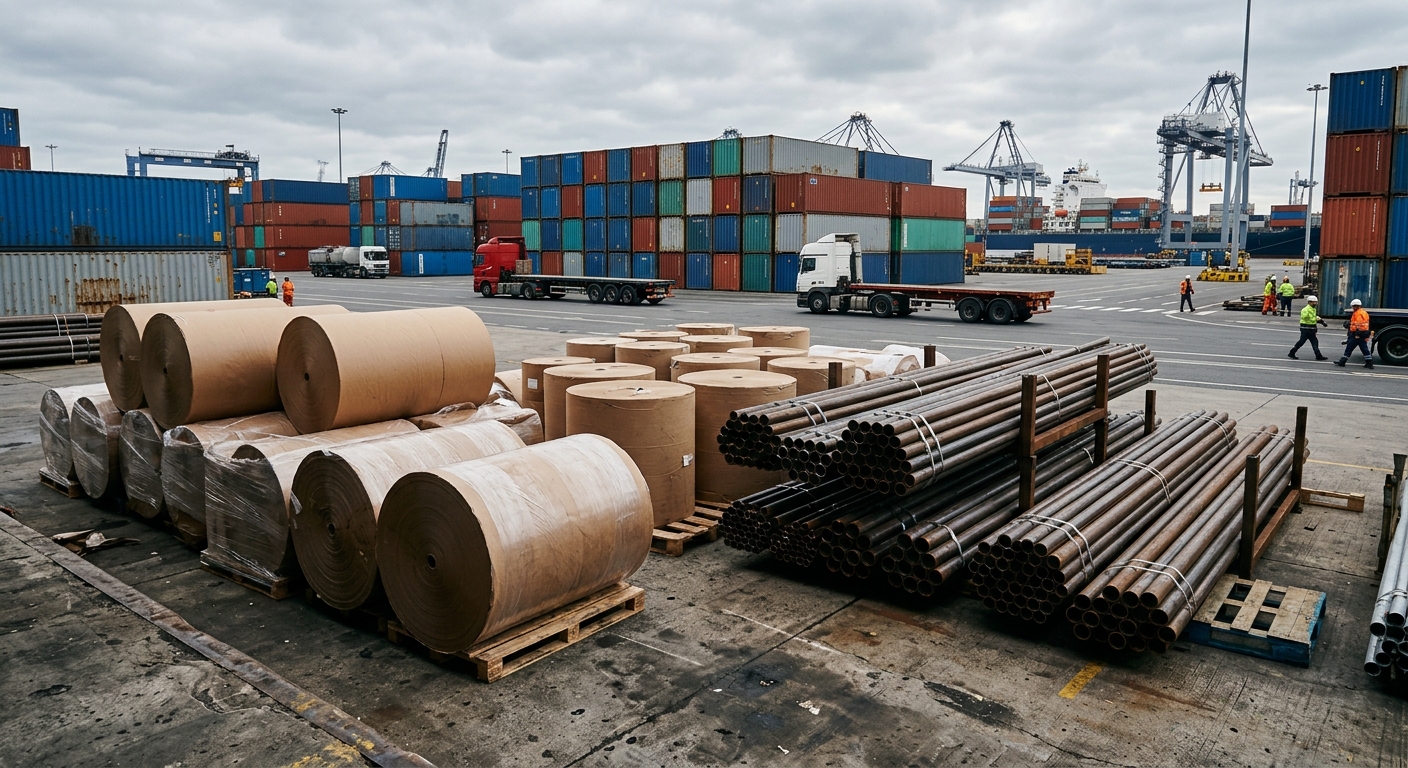
Canadian retailers importing goods from Asia are facing steeper freight and customs fees, which may trickle down to consumers by mid-2025. Construction companies report that building materials like steel and aluminum, much of it sourced from China or processed through the U.S., are up by 8–12%.
In provinces like British Columbia and Ontario, where housing and infrastructure projects are booming, budgets are being recalibrated.
Opportunities in Reshoring & Green Investment
The silver lining? This tariff reshuffle may accelerate Canada’s move toward domestic manufacturing, clean energy, and nearshoring.
- Ontario and Quebec are investing in local EV battery plants.
- Nova Scotia and Newfoundland are expanding offshore wind initiatives.
- Alberta sees a growing interest in rare earth mineral mining.
These projects offer medium- to long-term opportunities for retail and institutional investors alike.
What Canadian Investors Should Watch
- TSX performance in energy, utilities, and REITs
- Government subsidies for local manufacturing
- Global commodity price shifts
- U.S.–China trade talks and tariff adjustments
- EV supply chain announcements in Ontario and Quebec
Final Thought
For Canadians, the 2025 tariff storm isn’t just economic—it’s strategic. Whether you’re a Bay Street investor or a rural exporter, now’s the time to rethink exposure, explore local opportunities, and keep a close eye on global signals.