
- calendar_today August 8, 2025
Tariffs, Trade Wars, and the Future of High-End Automobiles in Canada
Introduction
Canada’s luxury auto market is feeling the effects of former President Donald Trump’s trade policies, as tariffs and trade disputes continue to reshape the industry. With increased costs on key automotive imports, renegotiated trade agreements, and a push for domestic manufacturing in the U.S., high-end brands such as BMW, Mercedes-Benz, and Audi are facing pricing pressures and supply chain disruptions. The fallout is being felt by dealers, consumers, and industry stakeholders across the country.
Tariffs and Supply Chain Disruptions
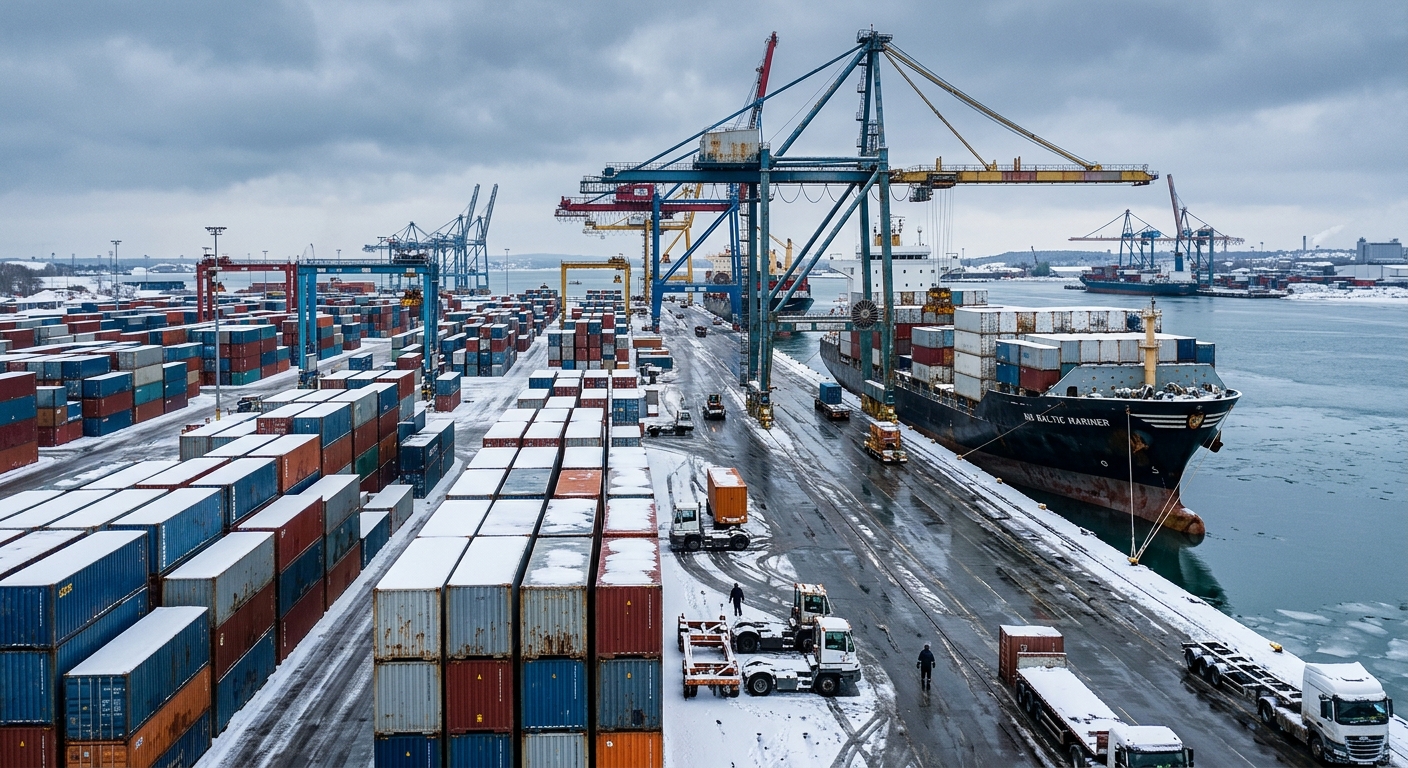
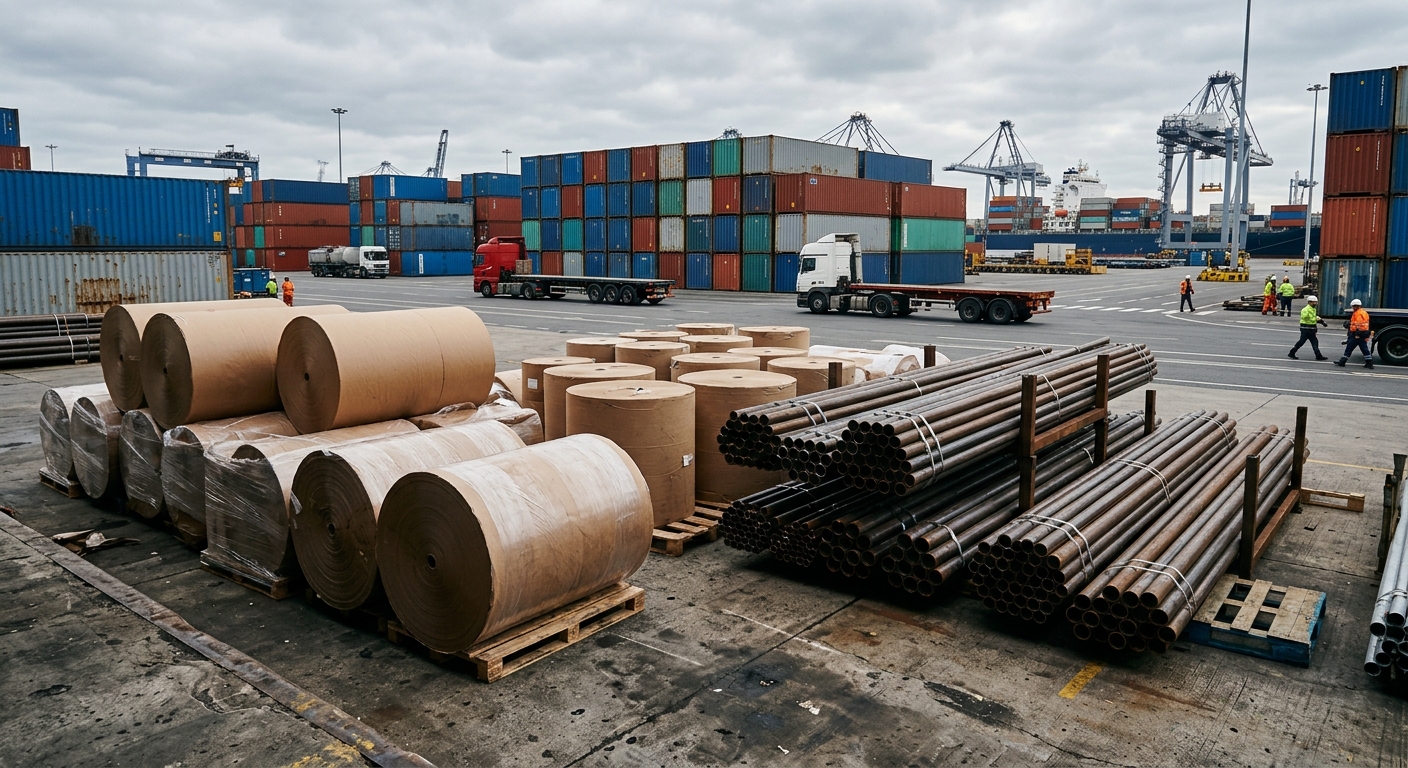
One of the most significant trade measures introduced during the Trump administration was the imposition of tariffs on steel and aluminum imports. These materials are critical to automobile manufacturing, and the additional costs have driven up production expenses for luxury automakers. Companies that rely on international supply chains, particularly European and Asian brands, have been forced to adjust their pricing or absorb higher costs.
Major cities like Toronto, Vancouver, and Montreal, known for their affluent car-buying markets, have been particularly affected. Dealerships in these regions report rising costs and delays in receiving new luxury models due to ongoing supply chain constraints. Some brands have shifted production to North America to mitigate risks, but this transition has been costly and slow.
Impact on Prices and Consumer Demand
Higher production costs have inevitably led to increased vehicle prices. Luxury car buyers in Canada have seen rising sticker prices, making high-end models less accessible. Some automakers have attempted to offset these costs with incentives and financing options, but overall demand has softened, particularly in price-sensitive segments of the luxury market.
Additionally, the used luxury car market has seen increased activity, as buyers who might have opted for new models are turning to pre-owned vehicles instead. Dealerships in key urban centers have reported a surge in interest for certified pre-owned BMWs and Audis, reflecting a broader shift in consumer behavior due to rising costs.
Trade Agreements and Manufacturing Strategy
Trump’s renegotiation of NAFTA, resulting in the United States-Mexico-Canada Agreement (USMCA), placed new requirements on automakers, including higher North American content rules and increased labor wage stipulations. While these policies were aimed at boosting U.S. domestic manufacturing, they have also added complexity and cost to production for luxury carmakers, many of whom rely on global supply networks.
European automakers with plants in Canada, such as Volkswagen and Toyota’s Lexus brand, have faced operational challenges due to these changes. Canadian auto dealers and suppliers are feeling the ripple effects, with some reporting longer lead times for parts and vehicles. Some brands have scaled back investment plans or reconsidered long-term strategies in response to the shifting trade environment.
The Road Ahead: Will Policies Change?
With Trump hinting at a potential 2024 campaign and continued Republican influence on trade policy, the automotive industry remains in a state of flux. While the Biden administration has maintained some of Trump’s tariffs, any shifts in leadership could further alter trade agreements and tariff structures. Canada’s luxury auto market must stay agile in response to potential policy reversals or escalations.
Conclusion
Trump’s trade policies have left a lasting imprint on Canada’s luxury auto sector, influencing everything from manufacturing costs to consumer purchasing decisions. As automakers navigate tariffs, supply chain disruptions, and shifting trade agreements, the industry’s ability to adapt will determine its future stability. Whether policy changes bring relief or further challenges remains to be seen, but for now, Canada’s luxury car market continues to ride an uncertain road.