- calendar_today August 7, 2025
Maple Roots, Modern Tools – How Canadian Artists Are Exploring AI Without Losing Themselves
Canadian Creators Are Leading With Thoughtfulness, Not Hype
In Canada, art isn’t just a product—it’s often protest, reflection, and a record of lived experience. From urban murals in Toronto to storytelling circles in the North, creators have long prioritized meaning over momentum. So when AI in Canadian art started making noise, the response wasn’t fear or fascination—it was reflection.
A songwriter in Halifax put it plainly: “AI can help me shape a structure. But the heart? The heartbreak, the joy—that comes from real life.” It’s a sentiment echoed in studios, collectives, and classrooms across the country. Use it if it helps. But don’t lose what matters.
Filmmakers Are Testing AI—But Not Giving It the Director’s Chair
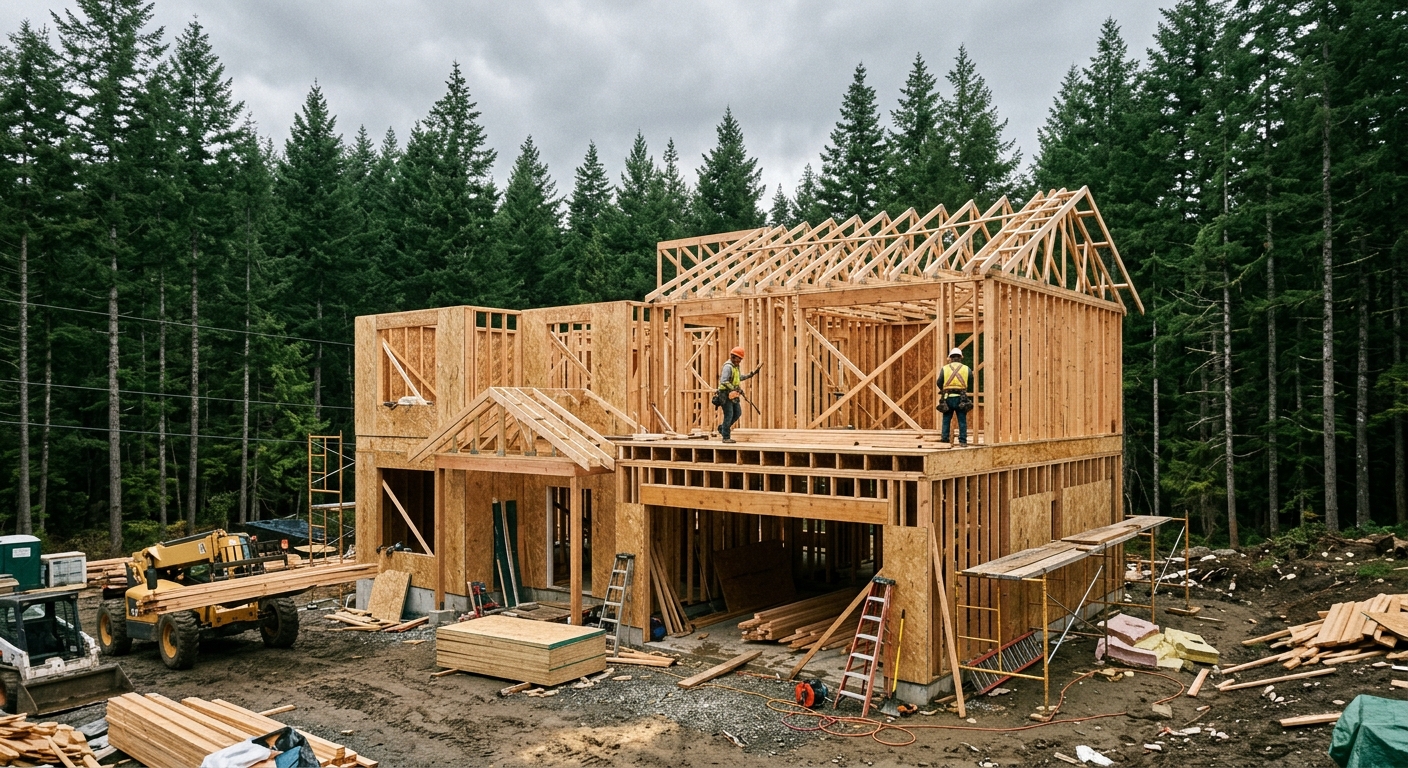
Canada’s film scene has always been grassroots and gutsy—from the indie docs of Saskatchewan to the arthouse gems coming out of Montreal. Filmmakers are starting to use AI in film editing and pre-production, mostly to help with sorting footage, tagging themes, or organizing timelines.
One Vancouver-based director said, “I use AI to save hours on technical sorting, which gives me more space to focus on the emotional arc.” That’s where the line sits—AI is a helper, not the storyteller.
Visual Artists Are Exploring—But Still Trusting Their Eye
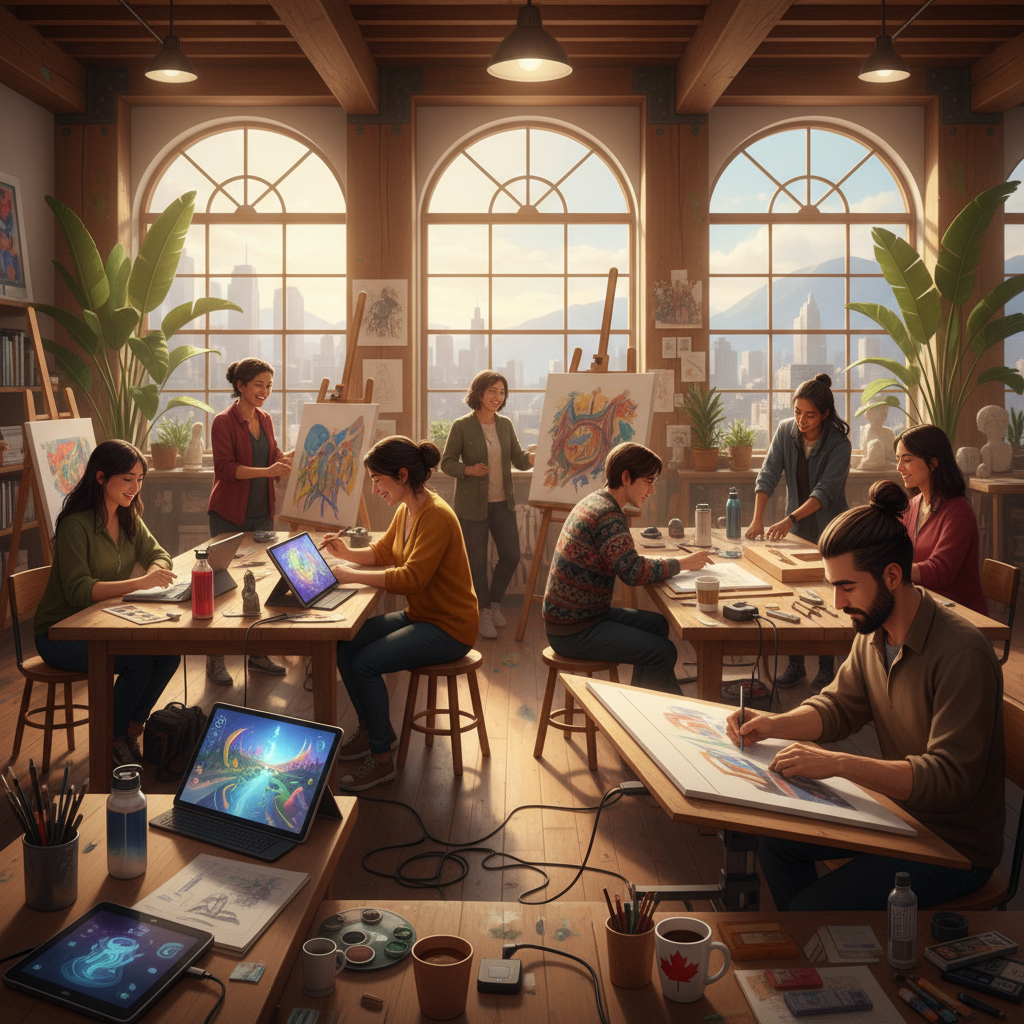
Across Canada, from Indigenous beadwork to bold digital experiments in urban galleries, visual artists are cautiously incorporating AI. Most use it to prototype ideas—never to define the final form.
An artist in Winnipeg shared, “AI helped me think through symmetry for a sculpture project. But my inspiration still came from a story my grandmother told me.” In Canada’s art world, especially among marginalized creators, tech is approached with both curiosity and deep intention.
Students Are Using AI With Creative Discipline
In art schools from Ottawa to Calgary, students are beginning to experiment with creative technology in Canada, from AI-generated poetry to reactive installations. But they’re not doing it to show off—they’re using it to explore themes of migration, memory, identity, and more.
A student at Concordia in Montreal said, “We’re not impressed by the tool—we’re interested in what it can reveal. But we still lead the process.” That balance is what makes Canada’s creative tech movement feel thoughtful, not trendy.
Some Say No—and It’s a Valid Choice
Not every artist is jumping in. A Cree painter in northern Alberta said, “My stories don’t belong to a machine. They belong to my community.” In Canada, choosing not to use AI isn’t a rejection of the future—it’s a reclaiming of the past and the present.
How Canadian Artists Are Actually Using AI
• To break creative blocks – Musicians and writers use AI to test melody or phrasing
• For technical efficiency – Filmmakers use it to transcribe, organize, or structure large projects
• In layout and design – Visual artists test color or composition with AI tools
• As a secondary tool only – Creators still make the final decisions themselves
Final Thoughts
Across Canada, AI in creative spaces is being used thoughtfully. Artists aren’t handing over the reins—they’re asking tough questions. Does this serve the work? Does it honour the community? Does it still feel like mine?
For some, it’s a tool. For others, it’s a distraction. But across the board, the message is clear: the art that matters most still comes from people—with stories, scars, joy, and voices that can’t be coded.