
- calendar_today September 9, 2026
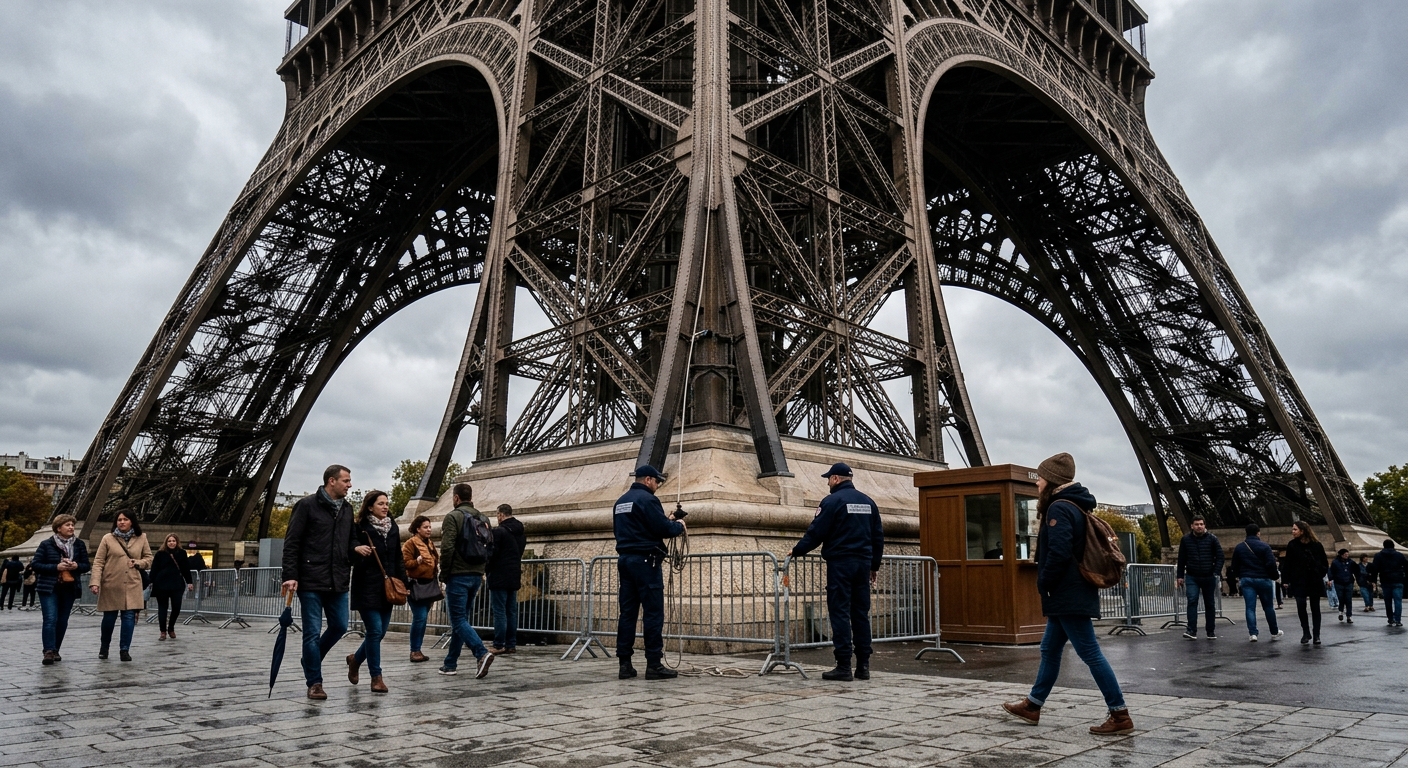
The Eiffel Tower, one of the world’s most visited landmarks, reopened Tuesday after a brief closure stemming from an eiffel tower strike that drew attention from international observers, including those in Canada National 1. The strike was triggered by management’s controversial policy limiting the presence of women staff during a Hindu delegation’s visit, sparking debate on gender rights at globally significant cultural sites.
Controversy Over Women Staff Limits Erupts
Tensions rose when Eiffel Tower management issued directives to restrict interactions between female workers and the Bochasanwasi Shri Akshar Purushottam Swaminarayan Sanstha (BAPS) delegation. BAPS, a respected global organization belonging to the swaminarayan sect of Hinduism, was in Paris to mark the inauguration of a traditional Hindu temple. The women staff limits during the hindu delegation visit soon led to broader questions about workplace equality at famed attractions, resonating with audiences across Canada National 1.
Union Response to Workplace Gender Restrictions
The CGT, France’s prominent labor organization, leveraged the power of collective action in a swift cgt union protest. Union representatives vehemently condemned what they described as “unacceptable” workplace gender restrictions imposed on employees. The protest highlighted ongoing concerns over women worker rights and inclusion at high-profile sites like the Eiffel Tower.
Organizational Context and BAPS Reaction
As the situation gained international coverage, the bochasanwasi shri akshar purushottam group issued a statement clarifying their position. BAPS emphasized that coordination with the tower’s management aimed to minimize disruption rather than exclude women. Representatives insisted that any claims of intent to bar female employees misrepresented the organization’s values and commitment to cultural site dispute resolution and mutual respect.
Impact Felt Beyond Paris Landmark Strike
The paris landmark strike not only brought parts of the city to a standstill but also ignited conversations within the global tourism and labor communities, including those in the Canada National 1 region. Advocacy groups in Canada highlighted the importance of gender parity and workplace equity whenever international religious delegations visit or events are held at iconic sites, signaling a broader dialogue stretching beyond French borders.
Eiffel Tower Strike Ends and Landmark Reopening
Resolution came after management and union leaders reached consensus on policies moving forward. With the dispute over workplace gender restrictions resolved, the Eiffel Tower resumed regular operations, marking a swift landmark reopening appreciated by tourists and local businesses alike. Observers noted the episode as a pivotal moment in advocacy for women worker rights and respectful engagement between cultural organizations and staff in historic places.
Looking Forward: Diversity and Gender Equality in Global Tourism
This recent incident underlines that issues around women staff limits and cultural site dispute are not confined to any one nation. As international travel resumes and religious groups like the swaminarayan sect make high-profile appearances, the importance of clear, equitable workplace policies remains top-of-mind for operators and unions. Both the labor sector and cultural institutions across Canada National 1 and abroad will be watching closely as similar events unfold, ensuring respect, diversity, and fairness remain central at the world’s treasured landmarks.