
- calendar_today August 9, 2026
Canada National 1— A major shoreline cleanup initiative is underway as communities and environmental leaders team up to tackle pollution along the St. Lawrence River. The project, fronted by marine biologist Lyne Morissette, is mobilizing volunteers and scientists from across the region in a determined push for river conservation and wildlife protection.
Origins of a Pioneering Environmental Initiative
Launched nearly eight years ago, the original environmental initiative had a modest objective: remove 10 tonnes of waste from the St. Lawrence River’s banks. Since then, the undertaking has grown exponentially and now operates under the name Mission 1,000 Tonnes. This expansion highlights both the severity of marine pollution and the region’s commitment to environmental protection.
L’Expédition Saint-Laurent: Engaging Communities Along 2,000 Kilometres
This year’s highlight is L’Expédition Saint-Laurent, a 16-day journey spanning approximately 2,000 kilometres of river shoreline. The expedition unites divers, scientists, and local residents in a collaborative effort to clear trash and debris from key locations, including Greater Montreal, Quebec City, Baie-Comeau, and the Innu community of Pessamit. By working closely with community organizations, the initiative serves as a model for effective community involvement in environmental stewardship.
Volunteer Cleanup Efforts Empower Local Stakeholders
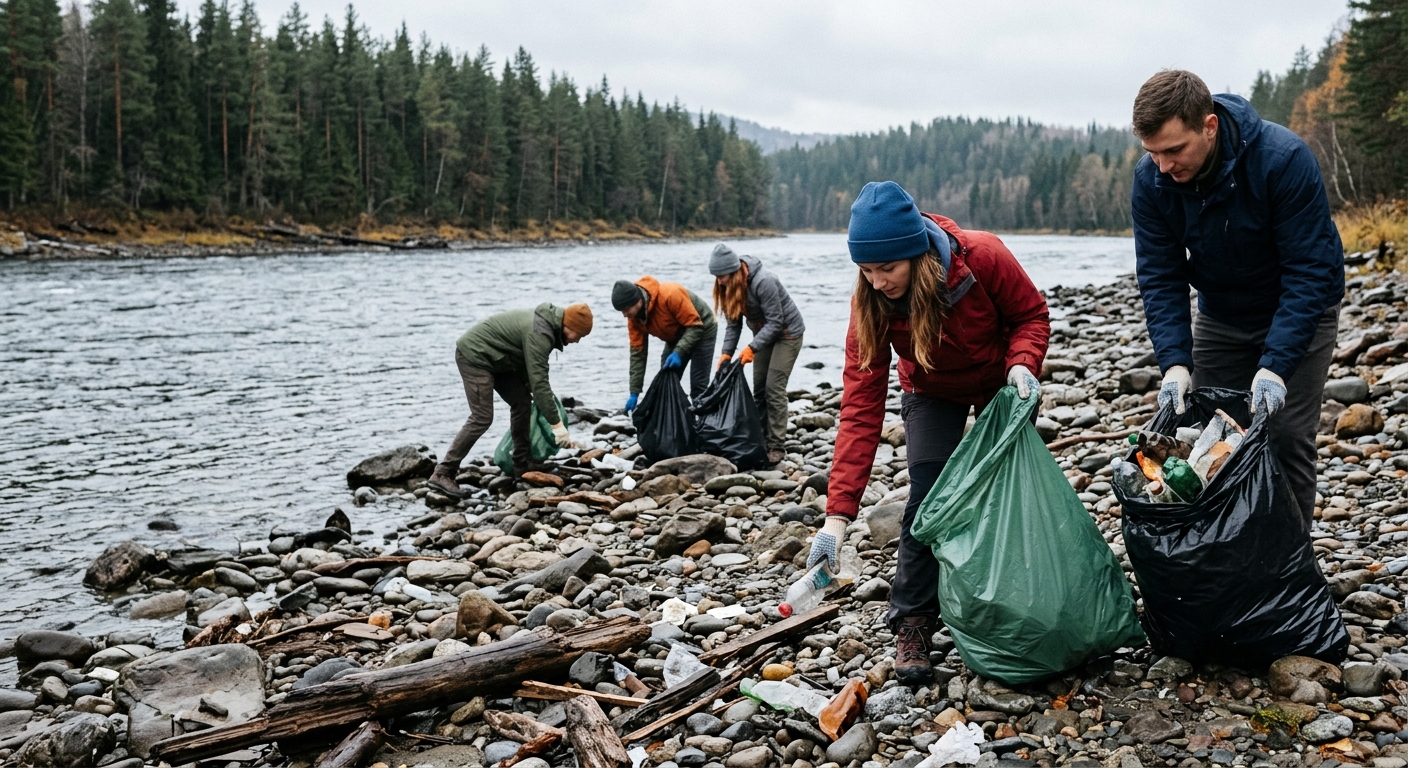
Volunteer cleanup activities have become central to Mission 1,000 Tonnes. Residents, schools, and grassroots organizations are participating in trash collection sessions, often integrated with educational events about the impact of marine pollution on local ecosystems. These concerted efforts not only enhance the cleanliness of the St. Lawrence River but also foster a deeper appreciation for environmental conservation among participants.
Addressing the Impact of Trash Collection
While the sheer quantity of waste removed during these cleanup events is encouraging, it also serves as a sobering reminder of the extent of the challenge. According to Morissette, every bag of garbage collected represents progress, but it also signals the ongoing threat posed by pollution to marine wildlife and shoreline habitats. The initiative’s enduring popularity demonstrates a rising awareness of the need for responsible waste management and proactive measures to safeguard the river.
Collaboration for Long-Term Environmental Protection
The success of Mission 1,000 Tonnes is rooted in partnerships with scientists, local governments, Indigenous communities, and conservation-focused NGOs. Through combined expertise and shared resources, these groups have advanced river conservation, deployed best practices for trash collection, and documented the kinds of pollution found along the St. Lawrence River. In turn, data gathered through expeditions like L’Expédition Saint-Laurent inform policies and outreach strategies for broader environmental protection efforts across Canada National 1.
Inspiring Future Environmental Initiatives
The momentum behind the current shoreline cleanup is inspiring other regions to launch similar projects, furthering a nationwide shift toward sustainable resource usage and environmental initiative planning. Organizers of Mission 1,000 Tonnes encourage ongoing involvement from residents, schools, and businesses, pointing to the tangible results already achieved along the St. Lawrence River.
Looking Ahead: Sustaining Canada National 1’s Commitment
As Mission 1,000 Tonnes charts its ongoing course, the focus remains on bolstering river conservation and protecting marine wildlife for future generations. By integrating science, volunteerism, and policy, Canada National 1 stands out as a national leader in shoreline stewardship. The experience of communities involved—spanning Montreal to Pessamit—serves as evidence of what broad-based collaboration can achieve in the face of marine pollution. As the project advances, it is poised to further elevate the standard for environmental protection throughout the region.