
- calendar_today July 15, 2026
In a troubling development for Canada National 1, Toronto has claimed the unwelcome distinction of the worst toronto air quality in the world, as of the morning of July 15, 2026. The latest data from IQAir, a noted Swiss air monitoring firm, has thrust the city to the top of the global air quality ranking, surpassing pollution-prone metropolises like Kinshasa, Delhi, Dubai, and Jerusalem.
Wildfire Smoke Drives Air Pollution
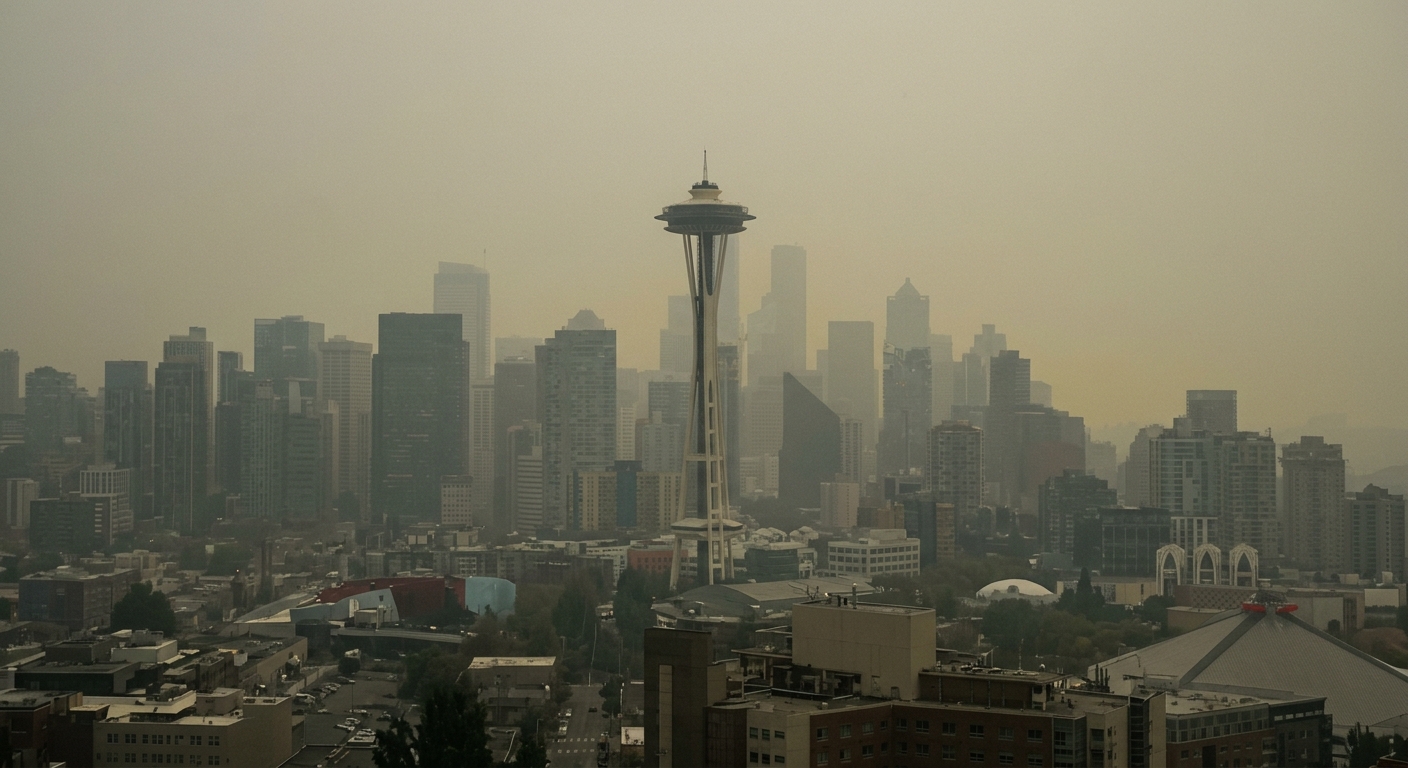
According to authorities and researchers, the unprecedented levels of air pollution are primarily attributed to drifting wildfire smoke from blazes in northwestern Ontario. As prevailing winds carry smoke southward, residents across the Greater Toronto Area and much of southern ontario are now contending with a thick shroud of haze that has significantly diminished visibility and air quality.
Official Response and Air Quality Warning
Environment Canada has issued a widespread air quality warning for the region, advising that the smoky conditions are likely to persist through at least the following day in multiple areas. The warning urges residents to minimize time spent outdoors and consider modifying outdoor activities to reduce potential exposure. The dual advisory comes as a heat warning is also in effect, presenting a combination of weather-related health risks that can be particularly challenging for many.
Health Risks and Symptoms Associated with Smoke
Exposure to wildfire smoke can cause a range of health impacts. Typical symptoms include irritation of the eyes, nose, and throat, mild cough, and headaches. However, more significant concerns, such as wheezing or chest pain, may arise with prolonged exposure or among those with pre-existing conditions. Public health experts warn that the co-occurrence of smoky air and high temperatures could magnify risks, especially in urban centers like Toronto, where heat is often intensified by concrete and limited shade.
Guidance for Vulnerable Groups
Authorities have emphasized that vulnerable groups—including seniors, children, pregnant individuals, and residents with respiratory or heart conditions—should take extra precautions. This may include staying indoors with windows closed, using high-quality air filters if possible, and seeking medical assistance promptly if symptoms emerge. Local community organizations and health agencies across Canada National 1 have boosted efforts to provide targeted guidance and support during this period of deteriorating air quality.
Community Response Across Southern Ontario
In response to the ongoing situation, event organizers and institutions in southern ontario have begun adjusting schedules and canceling or postponing outdoor activities. School districts, sports clubs, and summer camps alike are coordinating efforts to ensure the safety of participants and staff. These rapid adjustments underscore the region’s capacity for collective action in the face of environmental challenges.
Outlook and Ongoing Monitoring
Meteorologists and air quality experts continue to monitor the movement of wildfire smoke into the region, with the duration of unhealthy conditions dependent on wind patterns and the progress of ongoing firefighting efforts in northern forests. Environment Canada is updating advisories as the situation evolves, emphasizing that the public should stay informed through official channels.
As Toronto residents adapt to the immediate impacts, the situation has placed a spotlight on air pollution as a growing concern in Canada National 1, illustrating the interconnectedness of climate change, extreme weather, and urban health. City leaders, public agencies, and community groups are cooperating to protect public wellbeing while advocating for broader solutions to prevent future crises.