- calendar_today August 7, 2025
54% Tariff Throws US Game Publishing Pipeline Into Disarray
The board game industry, a landscape beloved for its innovation, its sense of community, and its relatively slim profit margins, is reeling from a financial shock that many fear could seriously endanger its future. Designers like Jamey Stegmaier, the creator of hits such as Scythe and Wingspan, have spoken out this week about a newly announced 54 percent tariff on Chinese-made goods imported to the US.
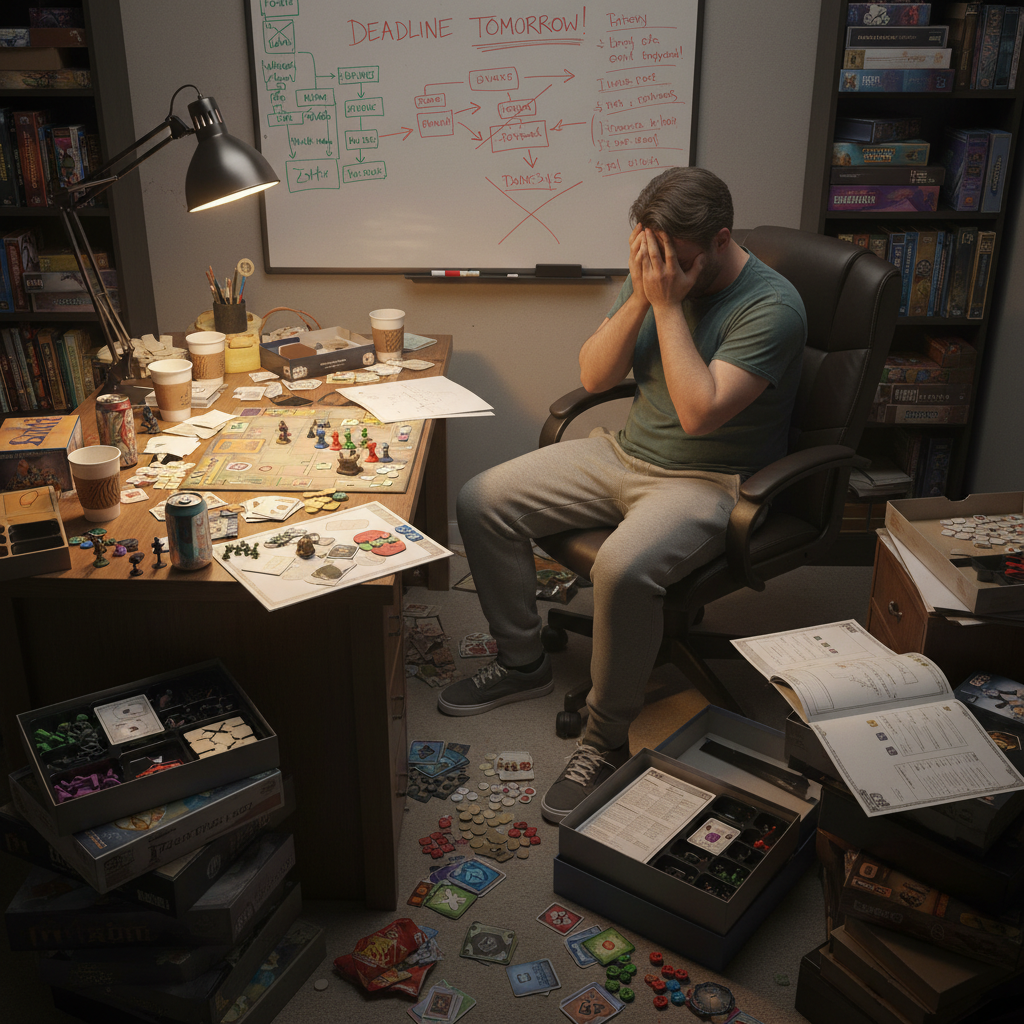
“I mostly just found myself staring blankly at the enormity of the newly announced 54 percent tariff,” Stegmaier wrote in a blog post this week. “Last night I tried to work on a new game I’m brainstorming, but it’s tough to create something for the future when that future looks so grim.”
For a designer who has created some of the most popular and profitable games in the world, it was a remarkably personal and vulnerable statement—and one with deep resonance among his colleagues.
A Global Production System, Upended
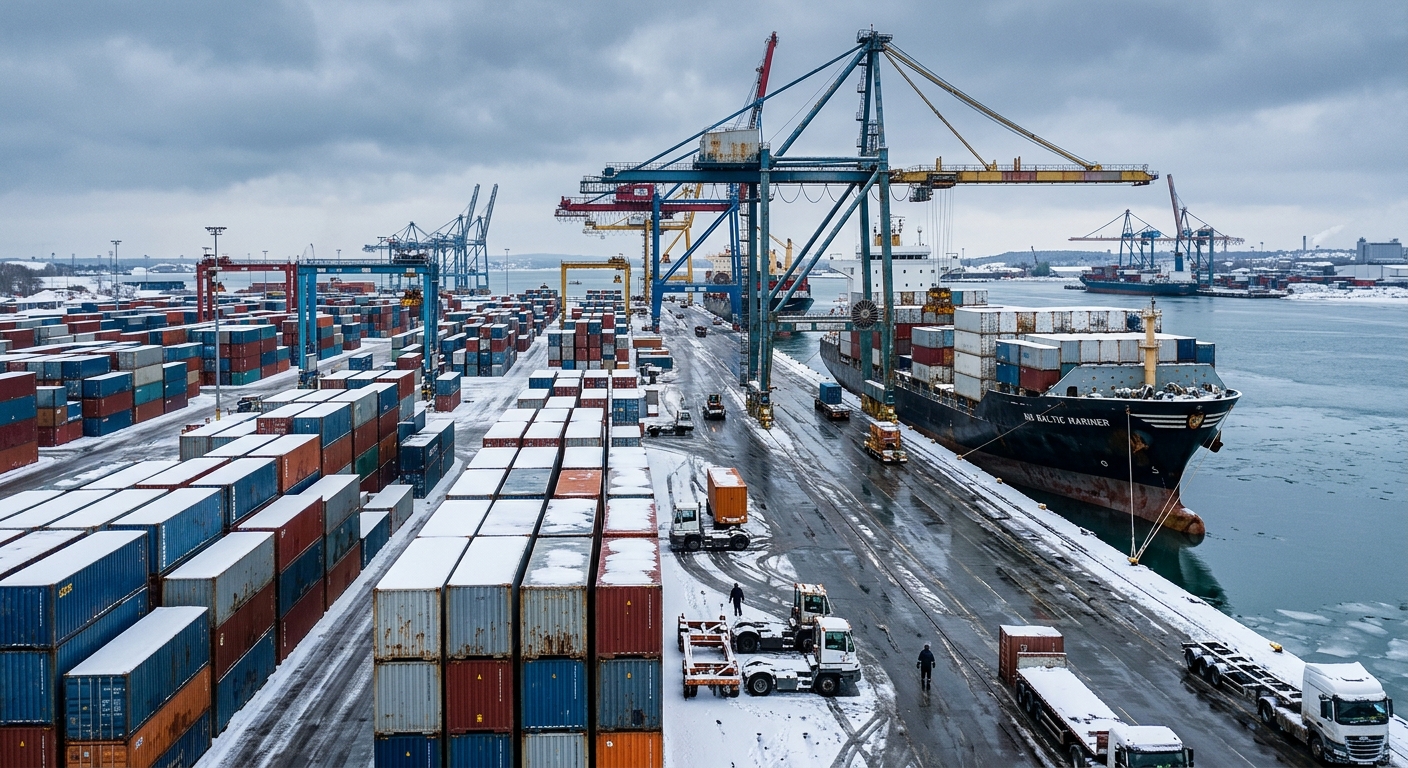
Stegmaier’s situation is not an exceptional one. The American board game industry is overwhelmingly dependent on Chinese production. Yes, other countries have board game factories as well. (Germany, for example, is the spiritual home of the modern tabletop gaming scene, and has several domestic producers.) China, however, has long been the most natural place to go for the full scope of custom production needed for an engaging and attractive modern game. China is the home of the “crowdsourcing” companies, where you send your ideas for printed cards or custom plastic miniatures or wooden tokens or die-cut boards or specialty dice, and a couple of months later, if all goes well, they’re on their way to you.
The reason for this is simple: scale. It’s possible to find manufacturers in the US to do that work. You might even be able to do it in Europe. It is, however, vastly more expensive to do. Stegmaier recalled on Twitter receiving a quote of $10 from a domestic manufacturer, “just to make me a standard empty game box with no printing and no inserts.”
In China, that same $10 will pay for an entire game, with components and packaging, to be produced.
The new tariff, then, represents a cataclysmic shock to the system. Most US board game publishers, especially small and medium-sized ones, work on tiny margins. As soon as this tariff was announced, without any transition period or grandfather clause or even warning, costs skyrocketed.
Industry Voices
Meredith Placko, CEO of publisher Steve Jackson Games (makers of titles like Munchkin), shared a statement this week that neatly sums up the situation. Her business model, like most of the industry, is predicated on overseas manufacturing for the same reason that anyone else does.
“A lot of people ask, ‘Why don’t you manufacture in the US?’” she wrote in her post. “I wish we could, but the infrastructure to support full-scale boardgame production—specialty dice making, die-cutting, custom plastic and wood components, etc.—doesn’t meaningfully exist here yet. I’ve gotten quotes. I’ve talked to factories. Even when the willingness is there, the equipment, labor, and timelines simply aren’t.”
For Placko, the issue is existential. She made a point to state that the new policy isn’t just a “policy change” but “a seismic shift in our industry.”
Rob Daviau, co-founder of publisher Restoration Games and designer of Pandemic Legacy, one of the most influential legacy games ever produced, has also been vocal about the situation. He has been using social media to sound the alarm for months, in remarkably stark statements. Daviau told outlets like BoardGameWire that he views “almost every business meeting right now” as “an existential crisis about our industry.”
He also tweeted that, should a tariff like this one ever come to pass, he “can almost guarantee a great collapse in the hobby gaming market in the US.”
Consumer Impact, Retailer Ramifications
Of course, it’s not just publishers and designers who will feel the impact of this. Consumers will soon be affected as well. Retail prices for new games will almost certainly go up. Companies will either be forced to cut corners to maintain existing price points, leading to reduced quality in production, or will have to scale back on new releases.
Local game stores, already in trouble because of the popularity of online ordering, are also at risk. Faced with increased prices, gamers may well fall back on their existing libraries, which many of them will admit contain untold numbers of unplayed games on what fans refer to as their “shelves of shame.” Or they may simply buy online from places with better prices.
“It won’t be pretty, and within a few months, US companies will lose a lot of money and/or go out of business,” Stegmaier warned in his post. “And US citizens will suffer from extreme inflation.”
Workarounds? Options? Not So Much
Of course, some publishers may try to ship their goods via distributors in non-US markets, such as Europe, which have not seen their Chinese imports hit with this tariff. (This, however, is not a real option for domestic companies, as the GMA notes; in Stegmaier’s case, 65 percent of his company’s sales come from US customers.)
Companies with games still in the design or early-production process may still have options for reworking their budgets. There’s no such recourse for games already in production and process in China, or companies in other countries who have already made the transition and investment in manufacturing with Chinese companies.
Even worse, the tariff is retroactive for many games still in the pipeline, forcing companies to either absorb the additional cost or scramble to cover it. Chris Solis, the head of California-based game studio Solis Game Studio, is among those struggling with that decision, telling local outlet SFGate that “I have 8,000 games leaving a factory in China this week and now need to scramble to cover the import bill.”
Industry Lobbying
The Game Manufacturers Association (GAMA), the trade group that represents board game publishers and has been lobbying Congress and the Trump administration on this issue, has made some noise on this as well, but so far to little effect.
The board game industry is used to being good-natured, resilient, and adaptable. It’s also, to put it mildly, not used to being threatened with anything approaching annihilation. We’ll have to wait and see what comes next.