- calendar_today August 9, 2025
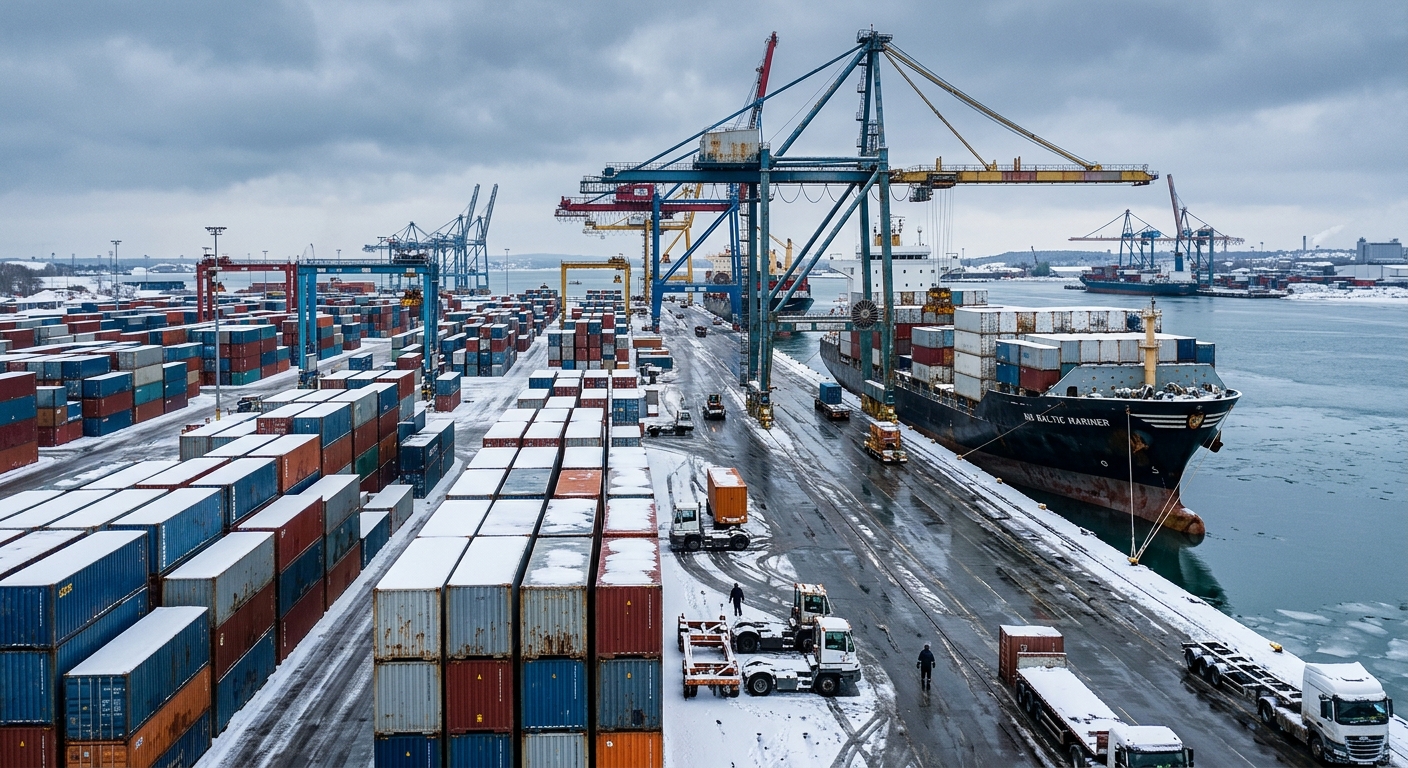
Earlier this year, the U.S. government imposed substantial tariffs, including a sweeping 54% duty on a broad range of Chinese goods—electronics, automotive parts, and industrial equipment among them. Beijing promptly retaliated by levying a 34% tariff on U.S. exports and restricting exports of rare earth minerals vital to technology and defense sectors.
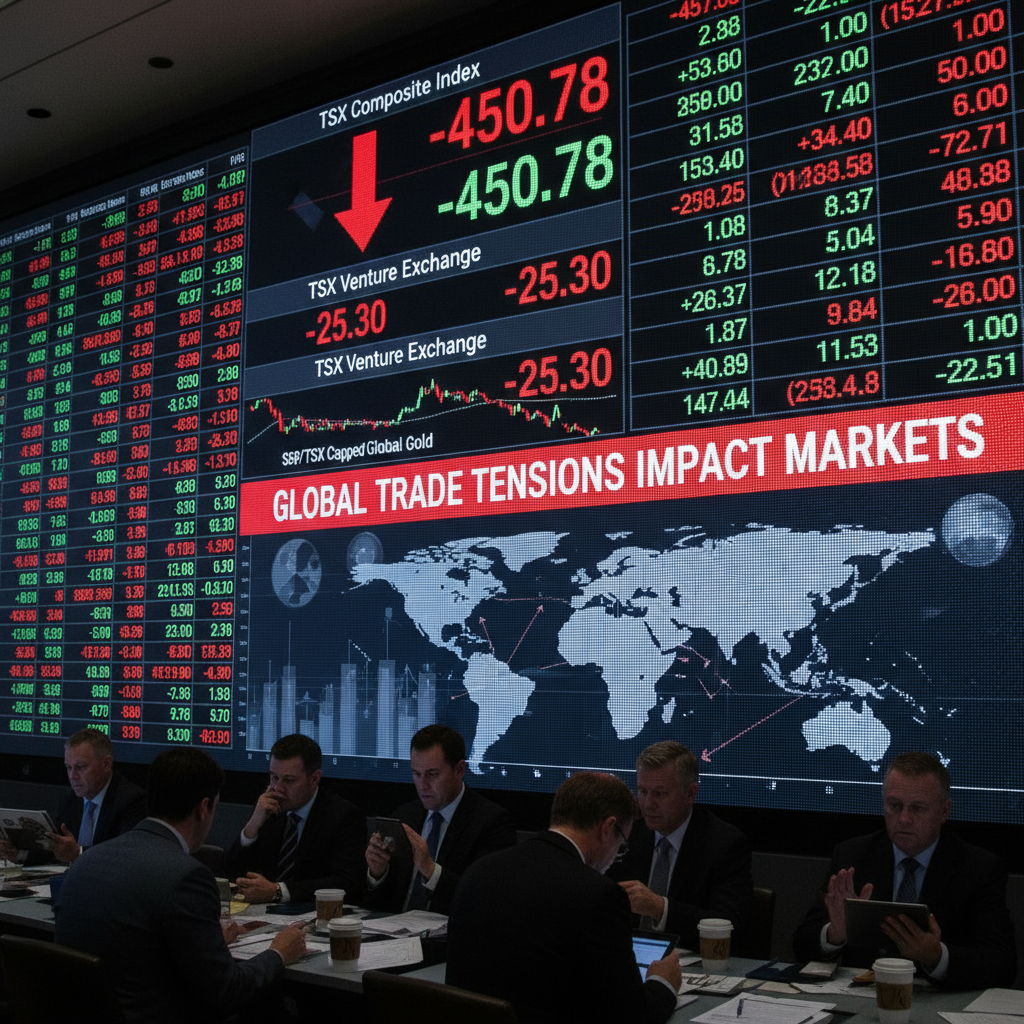
These escalating actions have rattled markets worldwide, with key indices posting declines reminiscent of earlier global crises. Canadian sectors such as manufacturing, technology, and agriculture are feeling the pressure, partly due to their exposure to U.S. and Chinese markets.
How Are Canadian Markets Affected?
The repercussions of this renewed trade conflict extend deeply into Canada’s economy. With the U.S. as Canada’s largest trading partner and China as a significant global buyer, Canadian firms operating in these interlinked supply chains face disruptions.
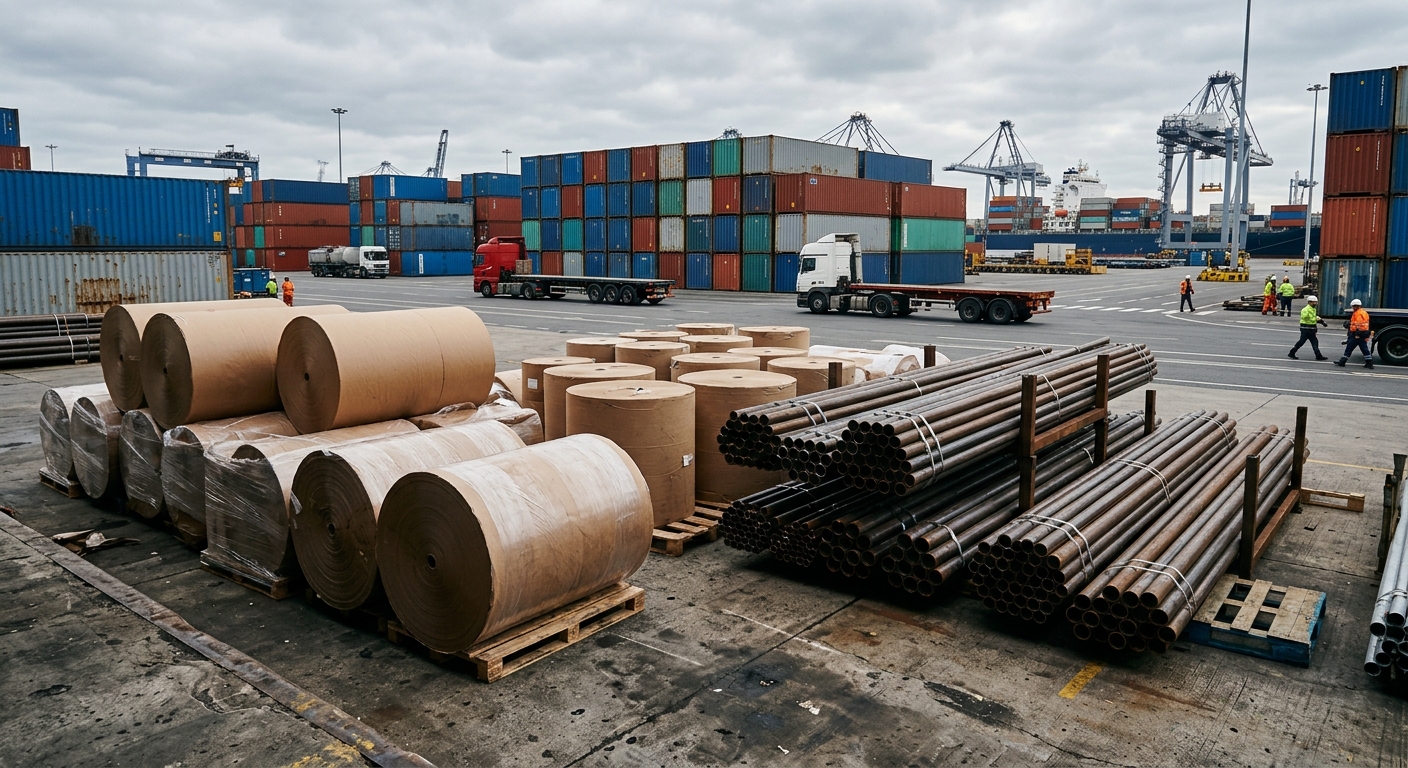
Manufacturing firms reliant on Chinese parts or exporting to U.S. markets have encountered cost increases and delays. Meanwhile, agricultural producers, especially those exporting grains, meat, and dairy, risk losing market share as China redirects purchases to South America.
The technology sector, including Canadian chip manufacturers and renewable energy companies, confronts challenges due to China’s export restrictions on rare earth minerals, components crucial for electronics, batteries, and defense systems.
Investment Strategies for Canadians
In response to market volatility, financial advisors recommend diversification across industries and geographies. Canadian investors may want to:
- Explore companies less exposed to the China-U.S. trade frictions, such as domestic-focused services, healthcare, and infrastructure.
- Consider assets like commodities, real estate investment trusts (REITs), and inflation-protected securities to hedge against uncertainty.
- Monitor policy changes and trade negotiations closely, adjusting portfolios as new information emerges.
The U.S.–China trade tensions of 2025 underscore the fragile nature of global supply chains and international economic relations. For Canadian investors, staying informed and flexible will be vital to navigating this volatile environment. While some sectors may contract, others could benefit from reshoring trends and diversification efforts.
Canada’s economy, deeply connected yet resilient, has opportunities to adapt and thrive if investors take a strategic, well-informed approach.